Guciów Farmstead - Ethnographic-Natural History Museum
Zagroda Guciów - Muzeum Etnograficzno-Przyrodnicze
Location
What to expect
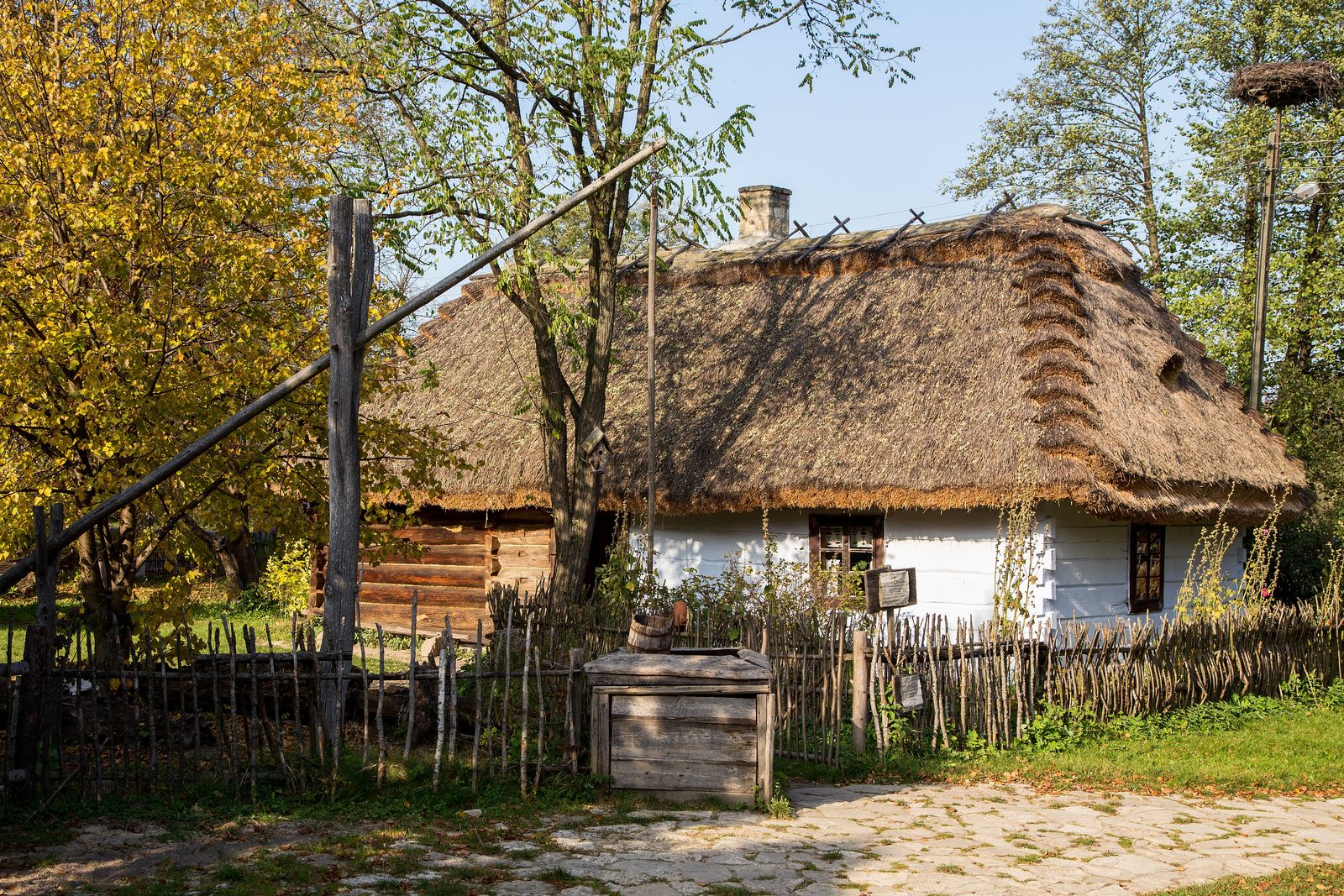
The Guciów farmstead museum is a collection put together by two geographers living in a village of 86 people, not by an acquisitions committee, and you can tell within the first room. Under thatched roofs above the valley of the river Wieprz sit a meteorite, a metre-wide ammonite, finds from a burial mound and a set of threshing flails. On paper there are four collections: meteorites, fossils and minerals, archaeology, ethnography.
The farmstead is entirely private, funded by tickets and the craft shop. The owners state on their own site that they have never had a zloty from the state, the region, the heritage conservator or the European Union.
The meteorite room is the strongest part. The Zakłodzie meteorite weighs 8.68 kg, wears a rust-coloured crust and is provisionally classified as a primitive enstatite achondrite. Stanisław Jachymek found it in 1998 in the Roztocze village it is named after, and it remains the only meteorite ever found in these hills.
More than fifty specimens from around the world lie beside it, along with Martian and lunar material and a fragment of the Chelyabinsk fall. The display, Falling Stars, opened on 28 April 2013 inside a timber store house of 1762 - the best building on the site.
From space to the Cretaceous is a few steps. Gerard Gierliński of the Polish Geological Institute and Stanisław Jachymek found dinosaur trackways in 2005 at Potok, five kilometres away. They belong to large plant-eating hadrosaurs and to a several-metre predator of the tyrannosaur family, roughly 70 million years old. The fossil room adds Poland’s largest ammonite at over a metre across, seven thousand belemnites and a collection of petrified wood.
The rural half is quieter and for many visitors the better one. A reconstructed peasant living room in an 18th-century cottage, farm implements in a 19th-century barn, a craft gallery in the granary of 1764. Outside: goats, a thatched apiary and Polish primitive horses grazing the valley below. Behind the buildings lies an early medieval settlement complex - the Monastyrz hillfort, open settlements and burial mounds - which the museum calls the best preserved in Poland.
This suits a traveller with a car, a spare half-day and a taste for collections assembled by one obsessive family rather than by an institution - first honoured with a national award back in 1997. Children from around six hold up well in front of meteorites and dinosaur tracks. Skip it if you are expecting an open-air museum on the scale of Chorzów or Nowy Sącz. This is a handful of buildings on a hillside at the ticket price of somewhere many times larger, and that is what Polish visitors complain about most.
Tips
- Phone before you drive out. The museum publishes its hours one month at a time and only the current month appears on the site. In September 2026 it opens Friday to Sunday, 09:00-17:00 (9 AM to 5 PM); other months have been different, so do not assume this holds.
- No English is advertised. The site mentions no English labels, guide or audio guide, and no visitor account mentions one. Entry is guided-only, so ask when you phone: the meteorites and tracks carry themselves, the ethnography does not.
- Allow two to three hours. Visitors report the guided tour itself runs about an hour; the gallery, the shop and the valley absorb the rest. Add a marked trail and you have used half a day.
- Part of the site is free. Since 1 January 2023 the thatched cottage, barn, stable and cabinet shrine can be walked into at no charge. The 39 PLN full ticket and 30 PLN reduced ticket buy the guided museum tour and nothing else.
- No online ticketing. You pay at the door, and groups are arranged by telephone. The museum counts parking, toilets and permission to photograph as part of what the ticket covers, so shoot freely.
- Workshops need twenty people. The flatbread demonstration at 16 PLN, butter churning at 11 PLN and the campfire at 38 PLN per head all require a group of twenty or more. Independent travellers get one exception: the flatbread baking show runs daily at 13:00.
- The inn is closed. The culinary half of the farmstead is shut with no reopening date given, so bring food or plan lunch in Zwierzyniec. The regional produce shop and the souvenir gallery are open.
- Wear proper shoes. The archaeological trail up to the Monastyrz hillfort runs through beech forest and loess ravines (about two hours) and the Wieprz meanders trail crosses riverside meadows (about 90 minutes). These are walks in open country, not a stroll between cottages.
The museum publishes no accessibility information - call before visiting.
Getting there
By car. Guciów sits on the road between Zwierzyniec and Krasnobród, in the Wieprz valley on the edge of Roztocze National Park. It is 7 km from the Echo ponds in Zwierzyniec, 15 km from Krasnobród, 31 km and about 40 minutes from Zamość, and 100 km from Lublin. Zamość, with its UNESCO-listed Renaissance market square, is the practical base. Parking at the farmstead is free and the approach is signposted, though the last few kilometres are narrow country lanes.
By public transport. The museum names no bus or rail service at all. The village sits on the road between Zwierzyniec and Krasnobród, but no source confirms a stop in Guciów itself. Check with the operators working that route before setting out - whether they stop here at all, and when - and confirm the return departure, which can leave before the museum closes. A taxi from Zwierzyniec is the reliable fallback.
By bike. The route down the Wieprz valley from Zwierzyniec is the nicest way to arrive in summer.
Nearby
Guciów falls neatly in the middle of a one-day Roztocze loop. Thirty kilometres east, the Zamość Museum occupies merchant houses on the Renaissance market square - a public institution and the exact opposite of a private village collection. West across the hills, the Museum of the Biłgoraj Land picks up the same thread of rural craft and vernacular building at a noticeably lower ticket price. To the south, the Janusz Peter Regional Museum in Tomaszów Lubelski completes the regional picture for anyone driving the loop.
Background
The farmstead grew out of a project by Anna and Stanisław Jachymek that won the Fundacja Kultury national competition “Small Homelands - tradition for the future” in 1997. The ground under it was already loaded. Excavations at Guciów between 1959 and 1964 uncovered a Trzciniec-culture kurgan cemetery some 3,500 years old, with older Corded Ware burials beneath several of the mounds. The hillfort on Monastyrz hill was in use from the 9th to the 11th century. On top of that came the village of thatched cottages, barns and byres of the 19th and early 20th centuries that is now on the national register of monuments. The Polish Meteoritical Society was founded here in 2002 and held its founders’ convention in Guciów two years later. National Geographic named the farmstead one of the seven wonders of Poland in 2017, and in 2025 the Minister of Culture awarded it a gold badge for rescuing the monuments of the Zamość region.
Nearby museums
 History
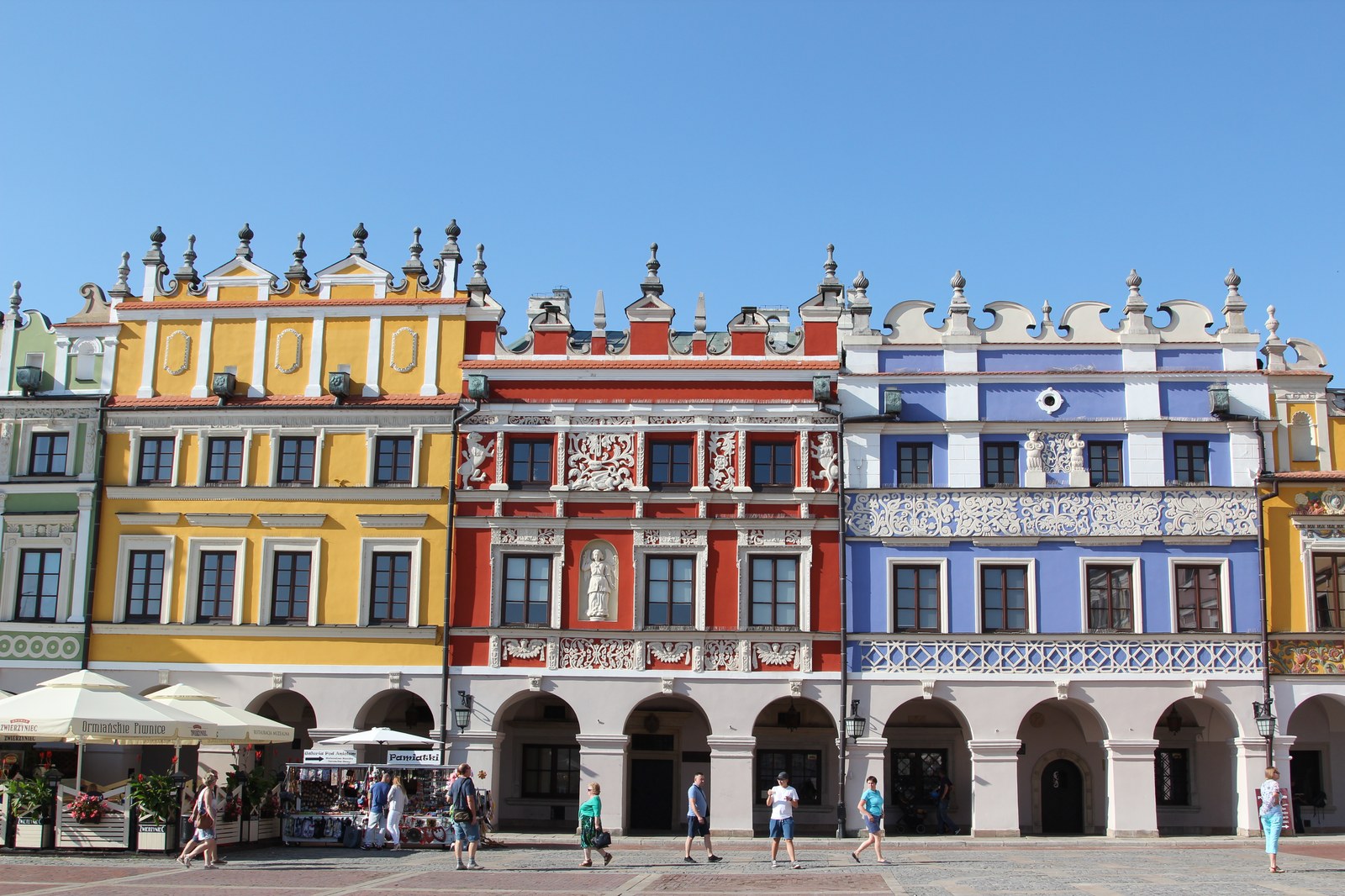
Zamość Museum
ul. Ormiańska 30, 22-400 Zamość
The museum in Zamosc fills 17th-century Armenian merchant houses on the UNESCO-listed Great Market Square. Four permanent displays, tickets …
 History
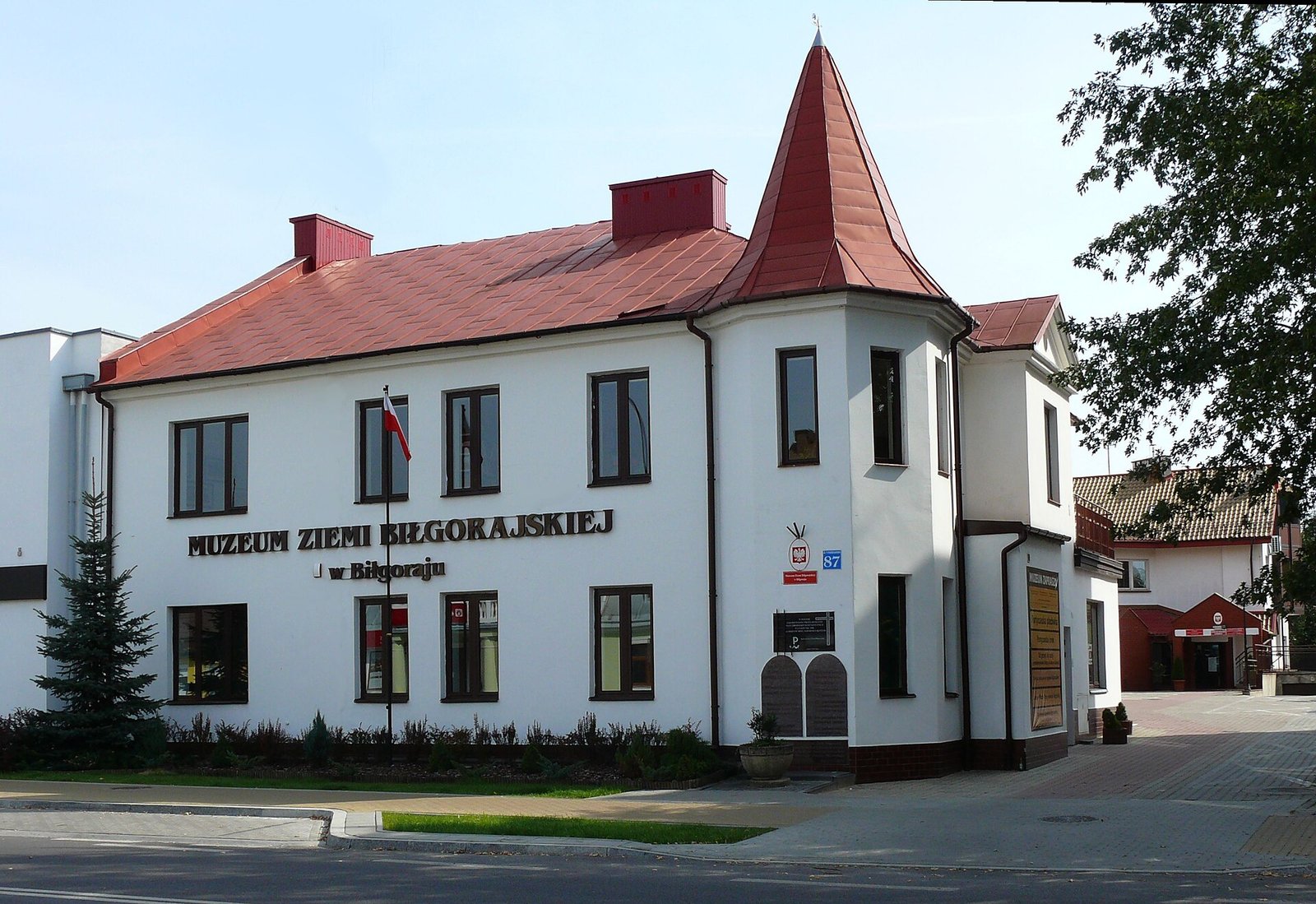
Museum of the Biłgoraj Land in Biłgoraj
ul. Tadeusza Kościuszki 87, 23-400 Biłgoraj
Bilgoraj museum at Kosciuszki 87 in south-east Poland: regional history display, ethnographic branches, tickets 10 PLN, free entry every …
 History
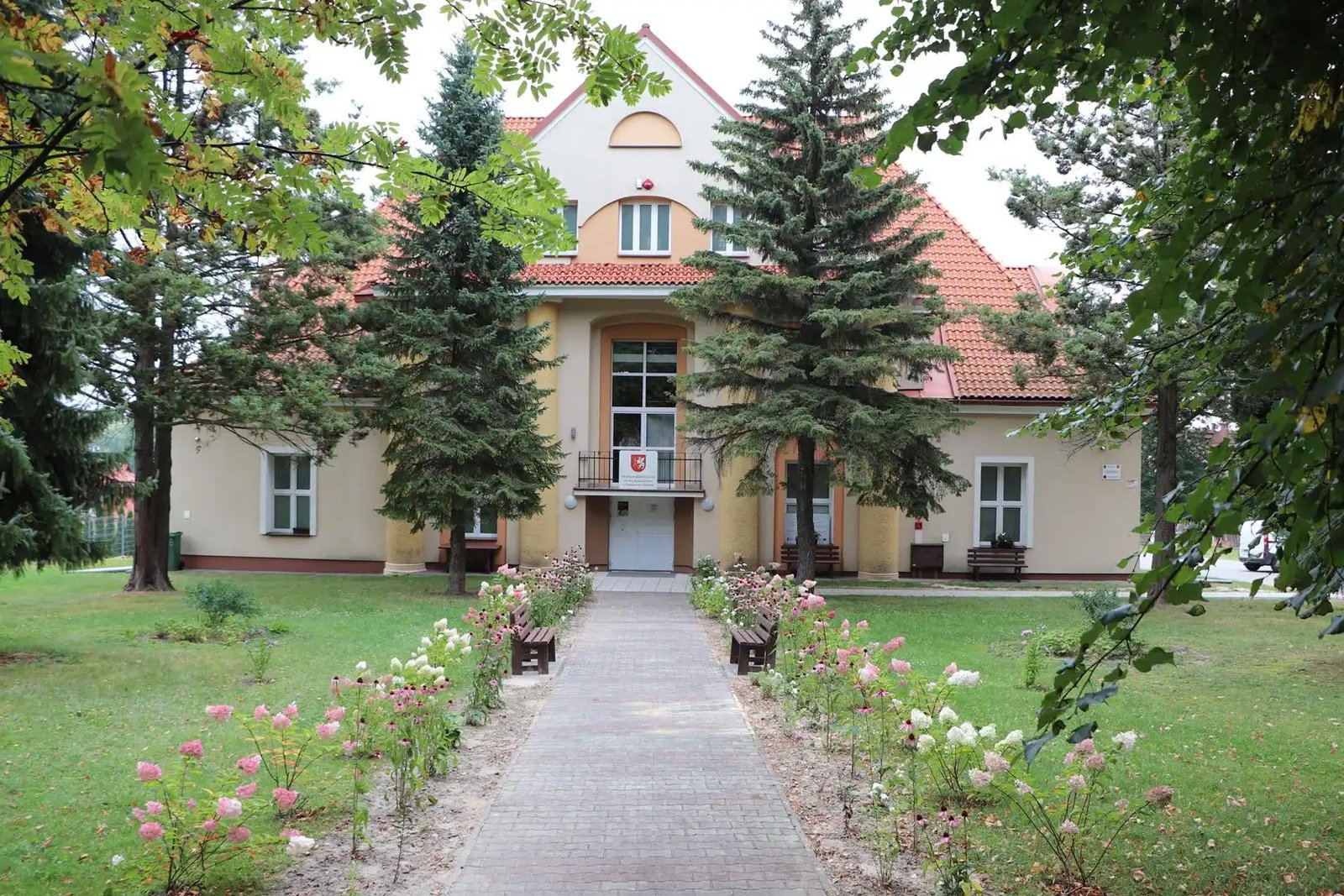
Janusz Peter Regional Museum in Tomaszów Lubelski
ul. Wyspiańskiego 8a, 22-600 Tomaszów Lubelski
Janusz Peter Regional Museum in Tomaszów Lubelski: some 15,000 objects and a permanent display on the September 1939 battles fought here. …