Orava Ethnographic Park in Zubrzyca Górna
Orawski Park Etnograficzny w Zubrzycy Górnej
- Wheelchair: Yes
- Elevator: No
Location
What to expect
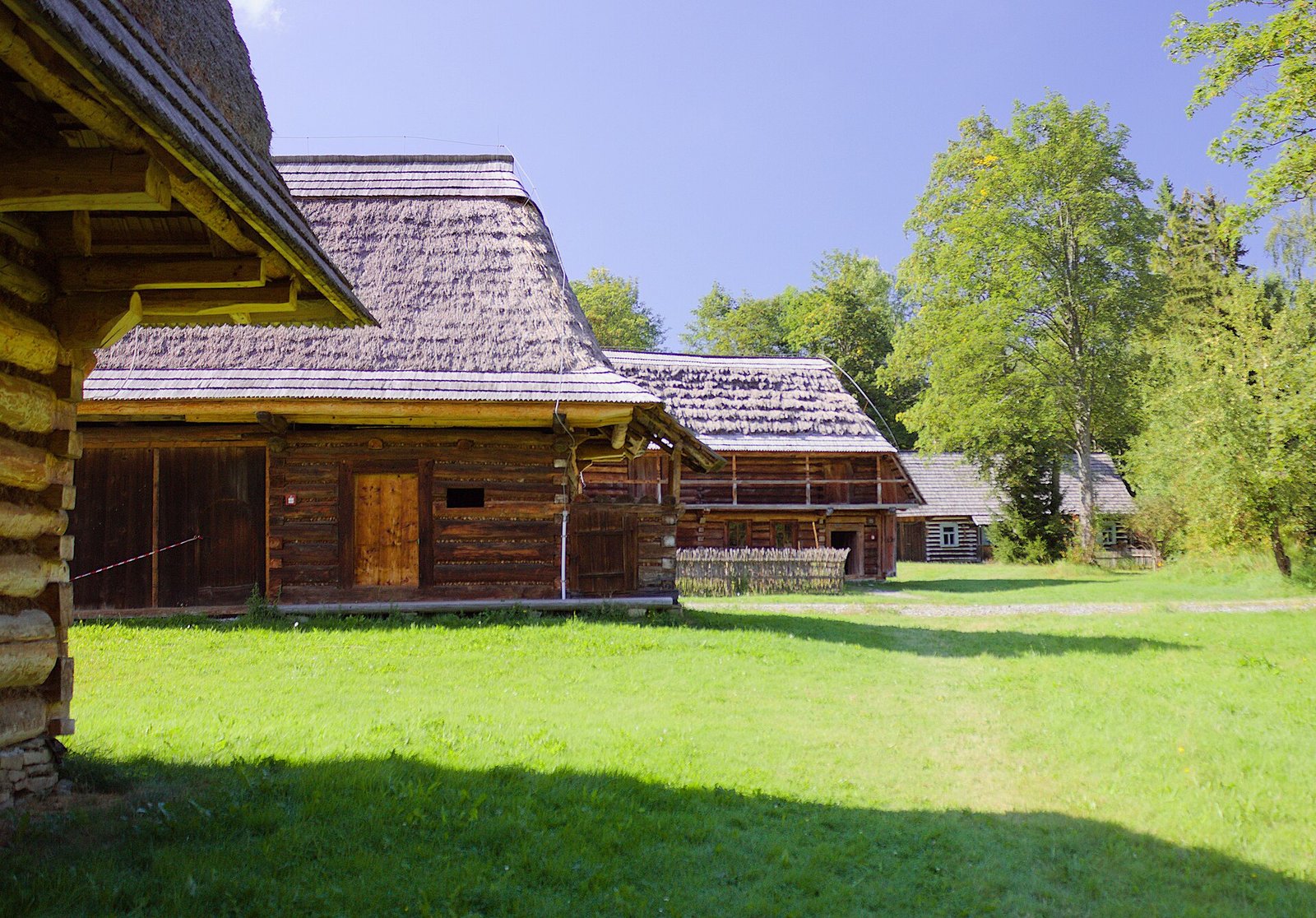
The Orava Ethnographic Park spreads over twelve hectares of meadow and scrub along the Solawka stream, holding more than 60 wooden structures arranged into 36 thematic displays. The ground splits in two. The old sector centres on the Moniak manor of the turn of the 17th and 18th centuries, with its stable, sheepfold and cellar, then runs on through 19th-century peasant cottages to the village industry group: an oil press, a smithy, a water-powered mill and sawmill. The new sector holds cottages from around 1900 and a wooden church moved here from Tokarnia.
You buy your ticket inside an 18th-century inn from Podwilk, so the first monument is behind you before you have noticed it. Then the part that decides your visit: on a standard ticket you do not go inside the buildings. Unaccompanied visitors look into the rooms through windows, from the outside, or from the hallway through wooden grates. Interiors open only with a guide - 120 PLN per group, about two hours, booked at least three days ahead, a week for groups. The fee is flat, but the museum only takes the booking for a group of 10 to 30 people, so a couple cannot buy its way inside; join a group or come with one.
Best for anyone interested in Carpathian timber building, and for families with children up to roughly twelve: there is a wooden playground with swings, a rope bridge and a climbing house, and the stream does the rest. Reviewers praise the setting above all - clearings, streams and Babia Góra behind the roofs - and the fact that the farmsteads look lived in rather than staged. Skip it if you want an indoor museum, or if rain is forecast: everything here happens outdoors, on paths of crushed stone and earth.
Tips
- Weather decides, not the calendar. This is an open-air site with no indoor refuge on a standard ticket. Check the forecast the night before and move the visit rather than walk 12 hectares in the rain.
- Free Monday has a catch. Admission is free on Mondays, but it covers only a self-guided walk of the grounds - no guide and no interiors. Fine if you already know what a skansen interior looks like; a poor choice for a first visit.
- Last admission and closed days. The museum stops letting people in 1.5 hours before closing, so from October to April, when the gate shuts at 15:00, you need to be there by 13:30. It closes on 12 days a year: 1 and 6 January, Easter Sunday and Easter Monday, 3 May, Corpus Christi, 15 August, 1 and 11 November, and 24, 25 and 26 December. In May and June call ahead - the accessibility statement gives different hours for those two months than the visiting-rules page the times above follow.
- How long to allow. Two hours for the grounds with the interiors - that is the length of the guided tour - and about 90 minutes for the walk alone.
- English on site: unclear. The museum offers a free mobile app and a printed folder sold at the ticket office for the permanent exhibition, but publishes nothing about their languages, and no source mentions English labelling. If that matters, call ahead on +48 18 28 527 09 (weekends and holidays +48 780 021 877) or e-mail biuro@orawa.eu .
- Cards and tickets. There is no online ticket sale; you buy at the ticket office in the old inn. The price list states plainly that the museum takes card or cash, so you do not need Polish notes for the ticket, the folder or the campfire site (100 PLN, skewers and wood included).
- Wear proper shoes. The museum’s own accessibility statement describes paths of compacted crushed stone, earth and loose stone, with a winter warning on top. A pushchair gets round, with effort; most buildings have two or three steps, and portable ramps and a free wheelchair are available on request.
- Bring food. No source lists a cafe or restaurant on the grounds. There are benches, tables and a fireplace area, and a free earthen car park opposite the gate. The one accessible toilet sits about 350 m from the ticket office, at the opposite end of the grounds next to the playground and the fireplace - plan for the walk.
Getting there
By car from Kraków. About 85 km via Rabka-Zdrój and Nowy Targ toward Jabłonka, realistically 1.5 hours. The free earthen car park sits on the same side of the provincial road as the museum; the museum states plainly that it has no marked disabled bays.
By car from Zakopane or Nowy Targ. Roughly 55 km and an hour from Zakopane through Nowy Targ and Czarny Dunajec; about 35 km from Nowy Targ itself.
By bus from Nowy Targ. Buses run the Nowy Targ - Czarny Dunajec - Piekielnik - Jabłonka - Zubrzyca Dolna - Zubrzyca Górna route, Machaj-Bus among the operators, leaving from the DEKADA stop in Nowy Targ; allow about an hour. Timetables change at the start of the calendar year, so check the current one before you set out.
In the village. Zubrzyca Górna strings out along a single provincial road and the museum stands right on it, facing the car park. Ask the driver for the stop at the skansen rather than for the village name.
Nearby
Thirty-five kilometres back down the road, the Podhale Museum in Nowy Targ presents the neighbouring highland region from a town house - the counterpoint that shows you what makes Orava its own culture rather than a variant of Podhale. In Zakopane, the Tatra Museum holds the oldest and largest ethnographic collection in these mountains and runs its own open-air section. Driving up from Kraków, the Orkan Museum in Rabka-Zdrój occupies a larch manor house - a smaller dose of the same architecture, and no detour.
Background
The Moniak estate passed to the Polish state as a gift from the family’s descendants, finalised on 13 August 1937; the war then delayed the opening by eighteen years. The museum admitted its first visitors on 11 September 1955, laid out by the ethnologist Wanda Jostowa.
Over the following decades buildings were moved in from across Upper Orava - the inn from Podwilk, the church from Tokarnia, cottages and workshops - until the site reached its present twelve hectares. It became an independent registered museum in 2006 and answers to the Małopolska regional authority. The manor is the exception to all of it: it was never relocated and stands where the Moniaks built it.
Nearby museums
 Culture
Seweryn Udziela Ethnographic Museum
pl. Wolnica 1, Kraków
The Ethnographic Museum Krakow shows Polish folk culture in Kazimierz's old town hall. Hours Tue-Sun 10-18, tickets PLN 20/15, free on …
 Science
Museum of Phonography in Niepołomice
ul. Zamkowa 4, 32-005 Niepołomice
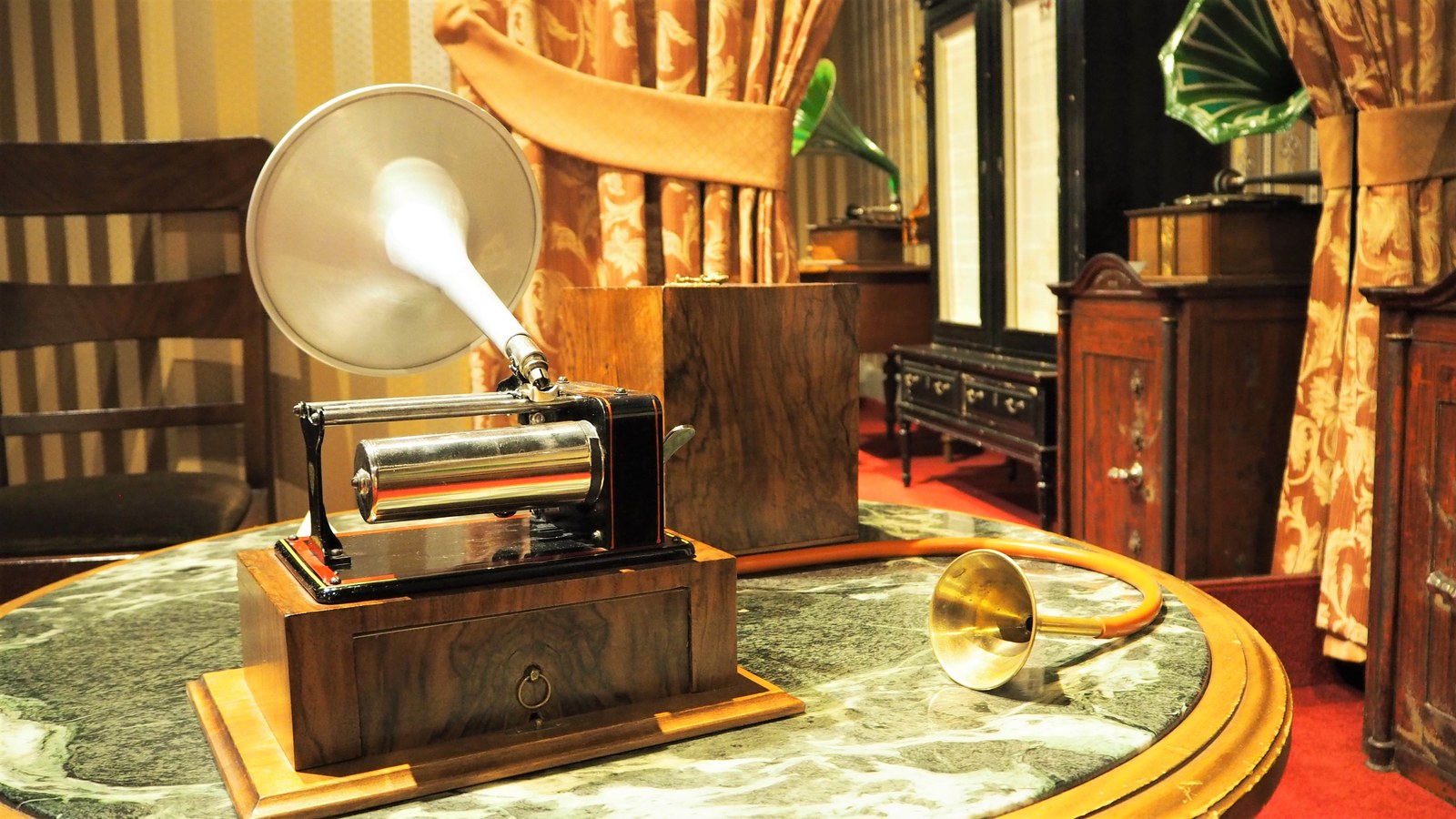
Museum of Phonography in Niepołomice, Małopolska - gramophones and radios in eight period rooms near Krakow. Tickets 20/15 PLN, visits by …
 History
Archaeological Museum of Krakow
ul. Senacka 3, 31-002 Kraków
Archaeological Museum Krakow: during the rebuild only the prehistory of Małopolska is open. Tue-Sat 9-17, Sun 11-16, tickets PLN 15/10, free …