Karol Szymanowski Museum at Villa Atma in Zakopane
Muzeum Karola Szymanowskiego w willi „Atma” w Zakopanem
- Wheelchair: No
Location
What to expect
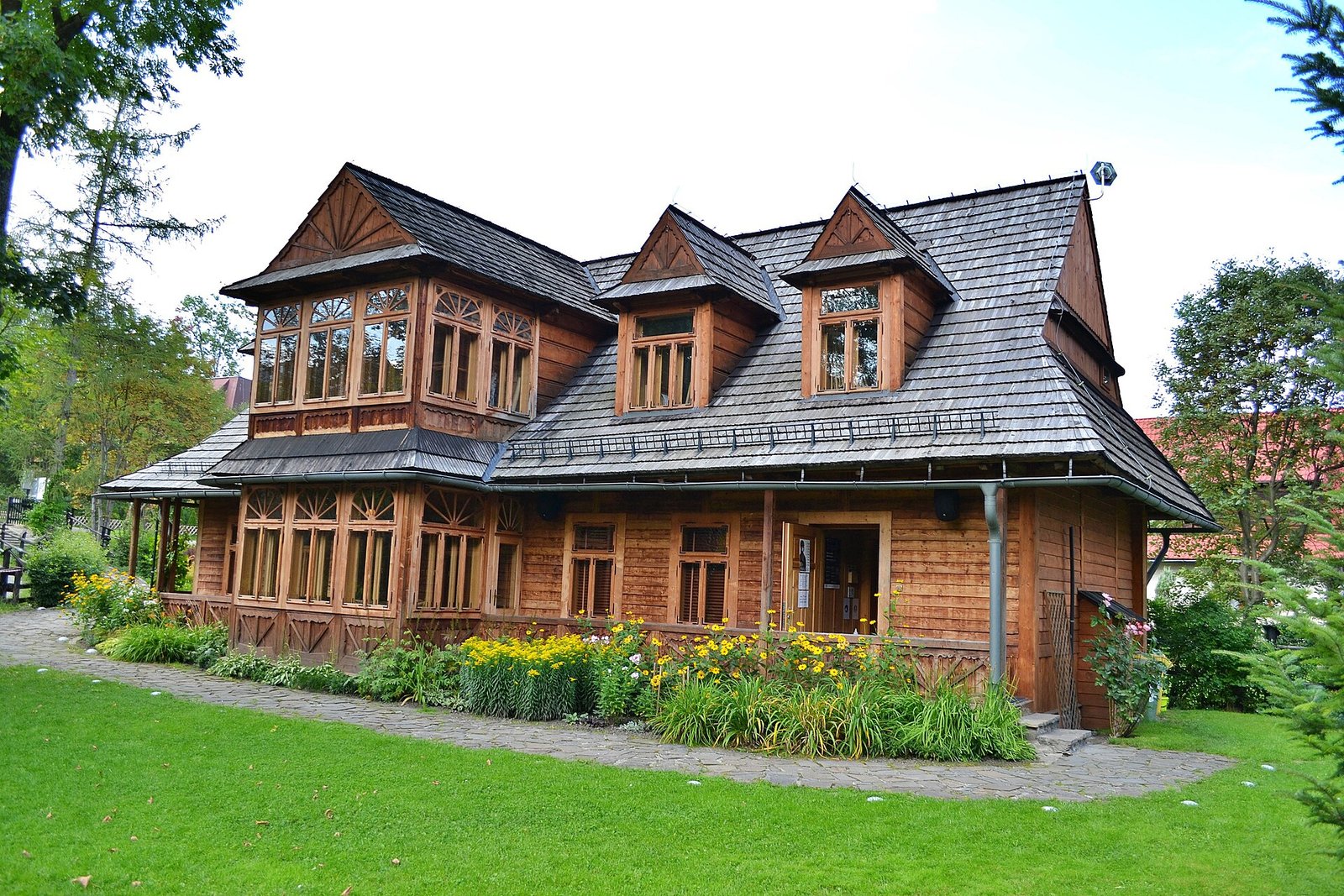
Villa Atma in Zakopane is worth a detour for one kind of traveller: someone who knows, or wants to know, the music of Karol Szymanowski. The museum’s own words for him are “a pioneer of contemporary music in Poland”. Everyone else: a short, quiet hour away from Krupówki, pleasant but not the reason to come to Zakopane. This branch of the National Museum in Krakow fills the timber house he lived in from October 1930 until November 1935.
The pull here is personal rather than grand. The glass cases hold the pencil Szymanowski wrote his Second Violin Concerto with and an empty bottle of the Guerlain scent he used. On the walls hang two portraits of him by Witkacy that were in the house in his lifetime and returned in 2007. Most of the collection was a gift from his niece, Krystyna Dąbrowska.
If you do not read Polish, note that MNK publishes nothing on English captions or audio here, and the life story is told on screens, in letters and in a case of his decorations. The room to linger in is the study, the one true reconstruction on the single exhibition floor, rebuilt from photographs and descriptions because his own furniture was lost. The rest of the ground floor is staged in interwar style rather than furnished with his belongings.
Music students and anyone curious about Zakopane’s 1930s artists will get the most out of it - Arthur Rubinstein and the novelist Zofia Nałkowska were among his guests. For them the piano room is worth planning around: until 30 September 2026 it hangs turn-of-the-century paintings of women at the piano, and on some evenings it hosts recitals, so look at the MNK events calendar before you settle on a day.
Young children will get little from glass cases and a rebuilt study unless music is already their thing. Workshops for children and teenagers do run here, but only on set dates that need booking: Children’s Day sessions on 1 June in 2024 and 2025, and Thursday workshops for ages 6-14 in the Polish winter school holidays of 2025 and 2026 (book at agiewont@mnk.pl ). Schools can book a 60-minute lesson for grades 1-3, “Muzyczny dom” (“Musical Home”), at 20 PLN per person.
Tips
- Check your Kraków ticket first. A ticket to Sukiennice, the Main Building or the Czartoryski Museum, bought within the last three months, includes one entry to the permanent exhibition here. Keep it with you.
- Do not bring your suitcase. Day-trippers take note: the cloakroom is compulsory and free but does not accept suitcases, and bags larger than 40x20x25 cm have to be checked in.
- Plan on 45-60 minutes. The museum gives no visit time; one floor of rooms takes about that at an unhurried pace, longer if a recital is on.
- Tuesday costs nothing. Admission to the permanent exhibition is free, but you still collect a free entry pass at the desk. That is also the day the Tatra Museum’s main building is closed, so Atma is the easy choice.
- English is not guaranteed. The museum publishes nothing about label languages and lists no audio guide for this branch. A 2016 visitor review called it a place “for people who understand and read Polish”; the regional tourism portal lists English among the languages staff speak. A translation app helps.
- Book a guide in advance. You cannot hire one on the spot. A tour in a foreign language costs 220 PLN per group plus tickets, arranged through the museum’s reservation centre.
- Pay in złoty or by card. Payment is in PLN or by card; students and pupils under 26 pay 1 PLN with a valid ID, and children under seven enter free.
- Photos are fine without flash. No tripods, no phone calls in the rooms, no food or drink.
Getting there
From Kraków: trains take between two and three and a half hours; buses via Nowy Targ take about two hours and leave at least hourly. From Zakopane’s bus and railway stations the museum gives a single walking route along Kościuszki, Zaruskiego, Ogrodowa and Orkana streets: about 1.5 km, 15 minutes.
On foot in Zakopane: from Krupówki, walk along Zaruskiego, Ogrodowa and Orkana streets - about 500 metres, seven minutes. From Plac pod Gubałówką, the square below Gubałówka hill, it is about 700 metres via Kościeliska and Kasprusie. The last stretch into the grounds is a steep, rocky drive with a high threshold; a wheelchair user cannot enter unaided, but staff can let a car drive up if told in advance.
By car: until around 20 December 2026 the section of ul. Kasprusie between Stolarczyka and Orkana streets is closed to cars for construction work, though pedestrians are not affected. The museum publishes no parking information, so leave the car in town and walk.
Nearby
- Tatra Museum in Zakopane - 300 metres away as the crow flies, at the bottom of Krupówki. It tells Zakopane’s story from the highlanders’ side; Atma shows one of the outsiders who turned their music into concert pieces. It closes on Mondays and Tuesdays.
- Tatra National Park Nature Education Centre - 1.9 km as the crow flies, mountains and wildlife instead of biography, and open on Mondays when Atma is shut.
- Sukiennice - Gallery of 19th-Century Polish Art - back in Kraków’s Main Square, run by the same national museum. Stanisław Witkiewicz’s painting of a snowstorm over Czarny Staw lake hangs there, and your Sukiennice ticket also opens the door at Atma.
Background
If you come to Atma for the music, the title to know is Harnasie, Szymanowski’s ballet built on the music of the Tatra highlanders, which he finished and orchestrated in this house. It premiered in Prague in 1935 and reached the Paris Opera in 1936. Serge Lifar, who danced the title role there, stayed at Atma in 1935 to prepare.
Szymanowski rented the place partly in the hope that Zakopane would help his tuberculosis. In a letter to his mother he called it “a small, humble mountaineer’s cottage”. It did not cure him: he left for a Swiss sanatorium in November 1935, never came back, and died in Switzerland in 1937. The Second Violin Concerto, the Kurpian songs and the Op. 62 mazurkas for piano also belong to his Atma years.
The timber house you see from ul. Kasprusie, with its shingled roof and three dormers, began in the late 19th century as a single-storey cottage for summer guests. The attic rooms and the Sanskrit name, meaning “soul”, came in 1926. Getting a museum into it took decades: the composer Michał Kondracki proposed one in 1937, the year Szymanowski died, and a committee led by the writer Jerzy Waldorff raised the purchase money.
Inside, the house was overhauled from top to bottom in 2011-2013, a cross-border project shared with the Orava Museum in Dolný Kubín, Slovakia. The museum first opened on 6 March 1976, two years after the National Museum in Krakow took the villa over, so 2026 is the branch’s 50th anniversary year. Its collection now counts more than 2,300 objects.
Nearby museums
 Culture
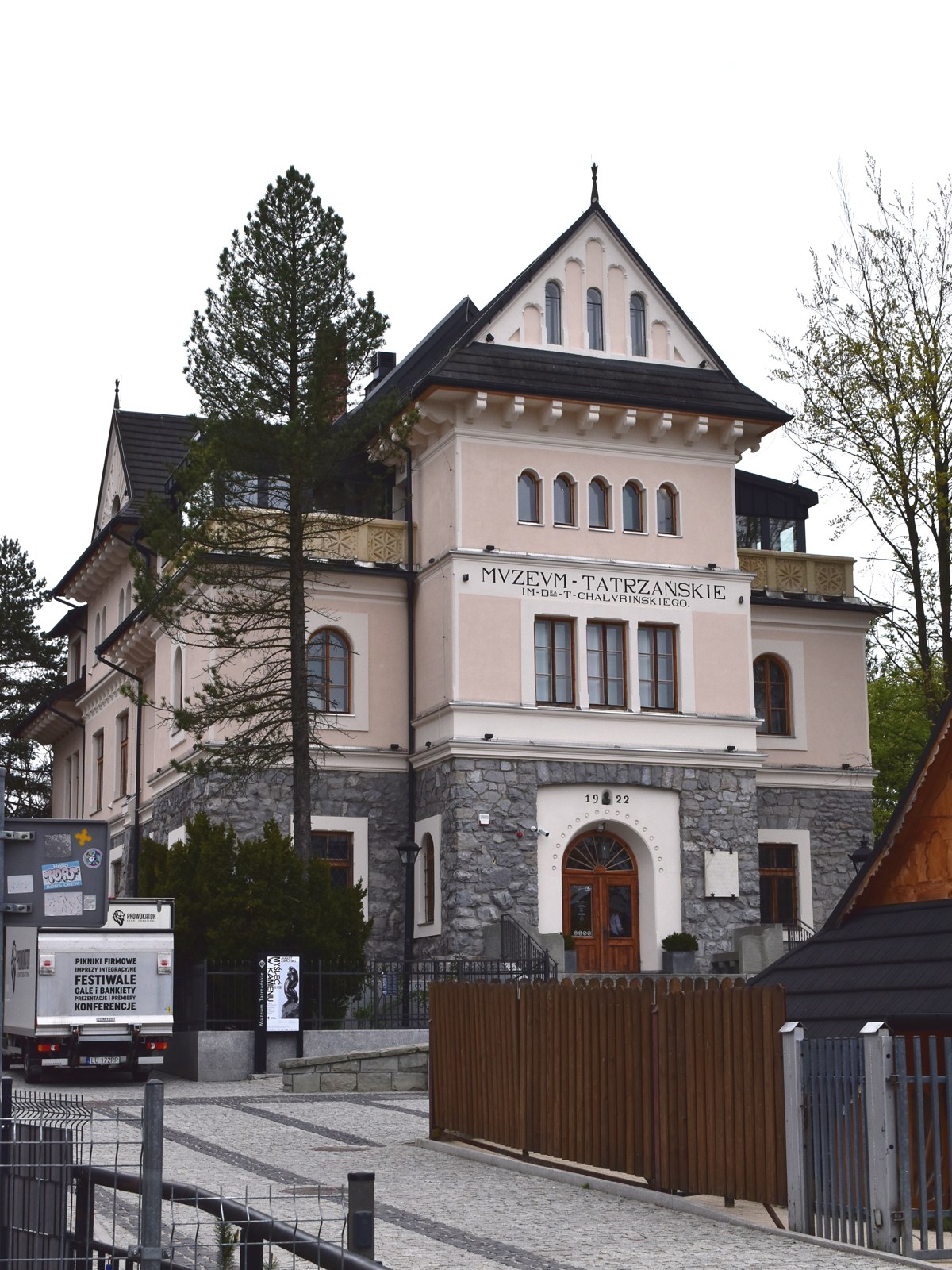
Tatra Museum in Zakopane
ul. Krupówki 10, 34-500 Zakopane
Tatra Museum Zakopane - highland culture and Tatra nature at Krupowki 10. Hours Wed-Sun 10-18, tickets 34/17 PLN, free Thursdays.
 Science
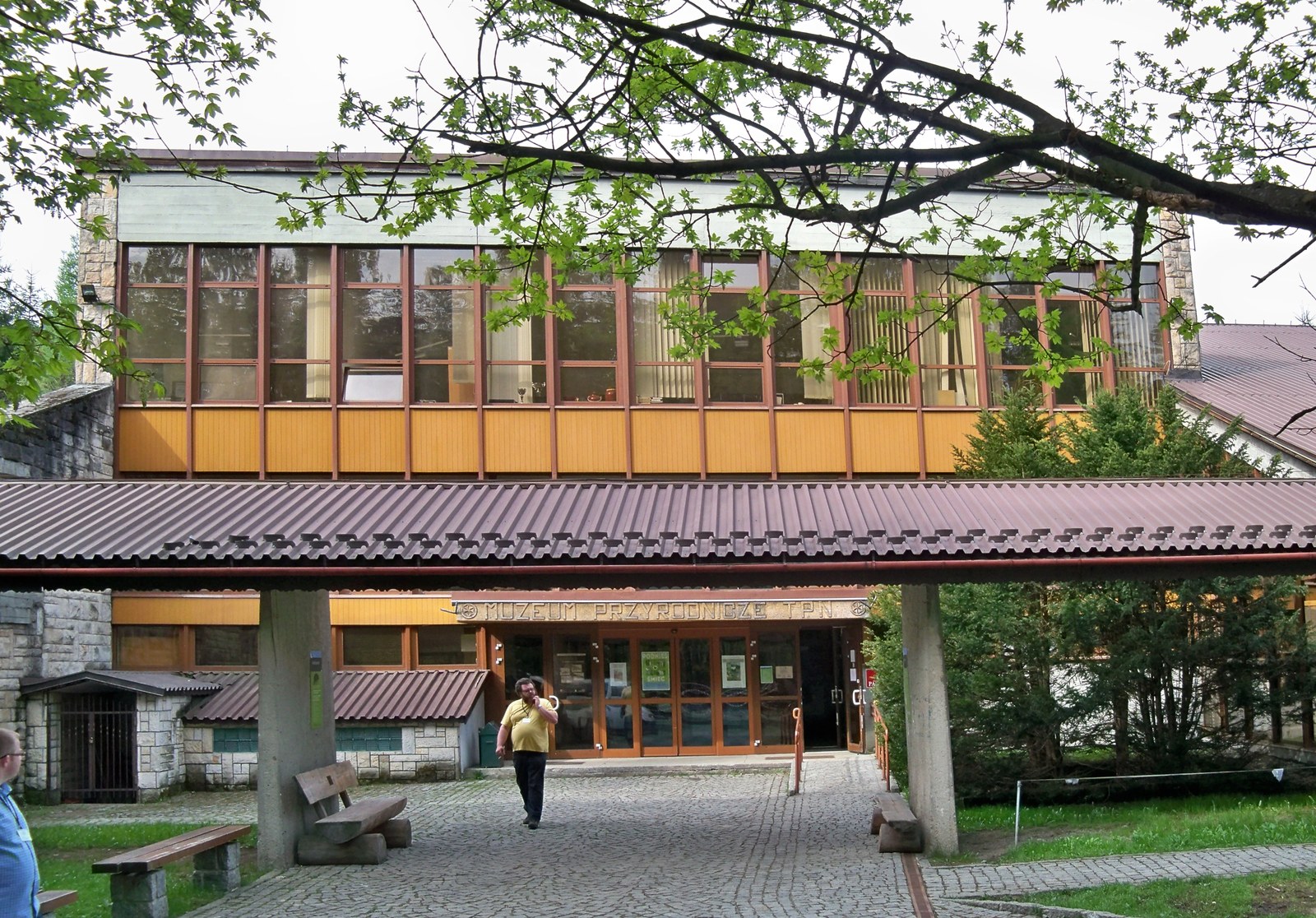
Tatra National Park Nature Education Centre
ul. Tytusa Chałubińskiego 42a, 34-500 Zakopane
Tatra National Park Nature Education Centre in Zakopane near Krakow - Poland's largest model of the Tatras, dioramas and multimedia. Hours …
 Art
ArtSukiennice - Gallery of 19th-Century Polish Art
Rynek Główny 3, 31-042 Kraków
Sukiennice Gallery of 19th-century Polish art above Krakow's Cloth Hall. Open Tue-Sun 10:00-18:00, tickets 35/25 PLN, free on Tuesdays.