Janusz Peter Regional Museum in Tomaszów Lubelski
Muzeum Regionalne im. Janusza Petera w Tomaszowie Lubelskim
- Wheelchair: Yes
Location
What to expect
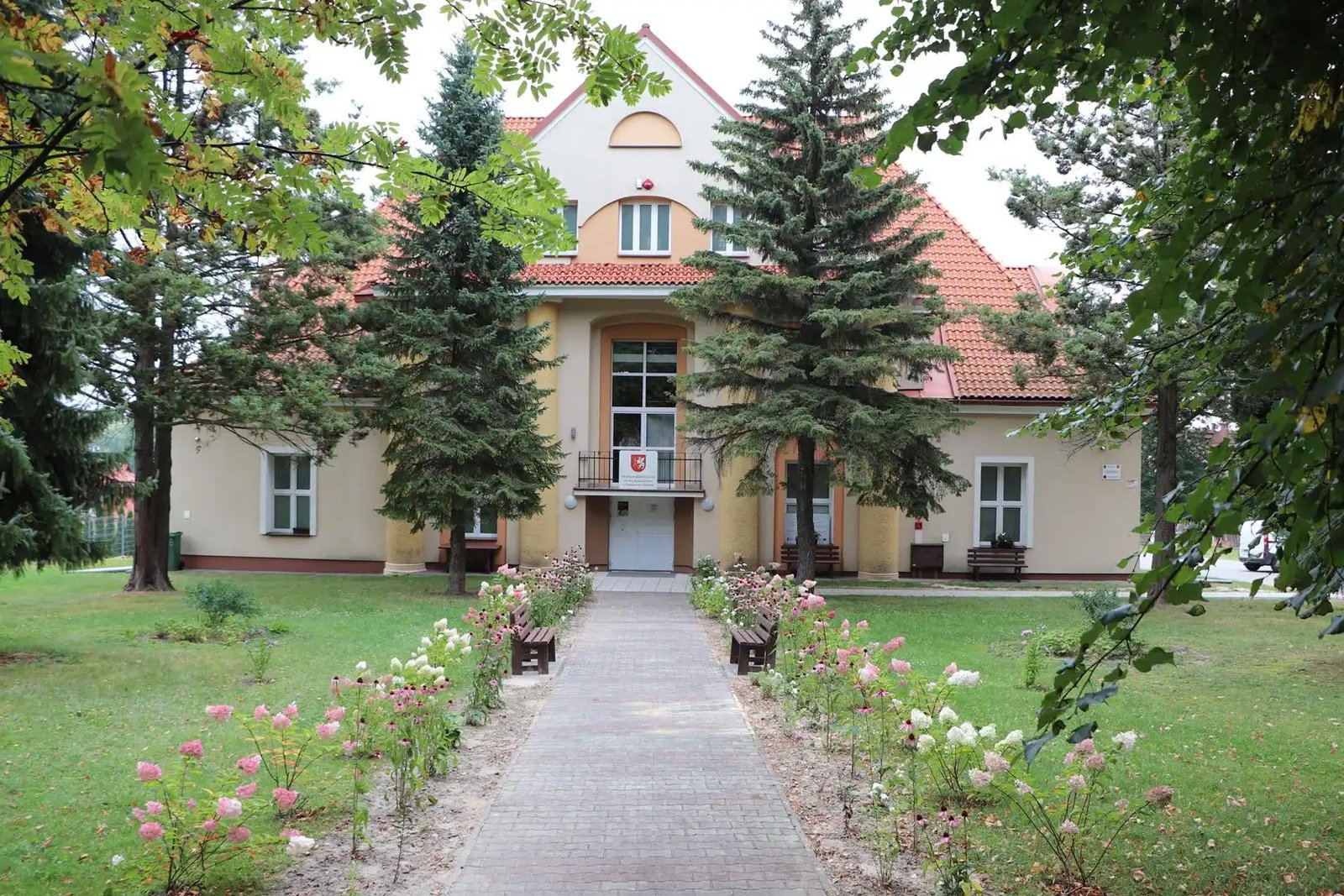
Three rooms of permanent display in a converted boarding school: that is the whole of the regional museum in Tomaszów Lubelski. Nobody crosses Poland for this place. It earns its 45 minutes as a stop on the drive between Zamość and the Bełżec memorial, and one of the three rooms is worth the detour off the E372.
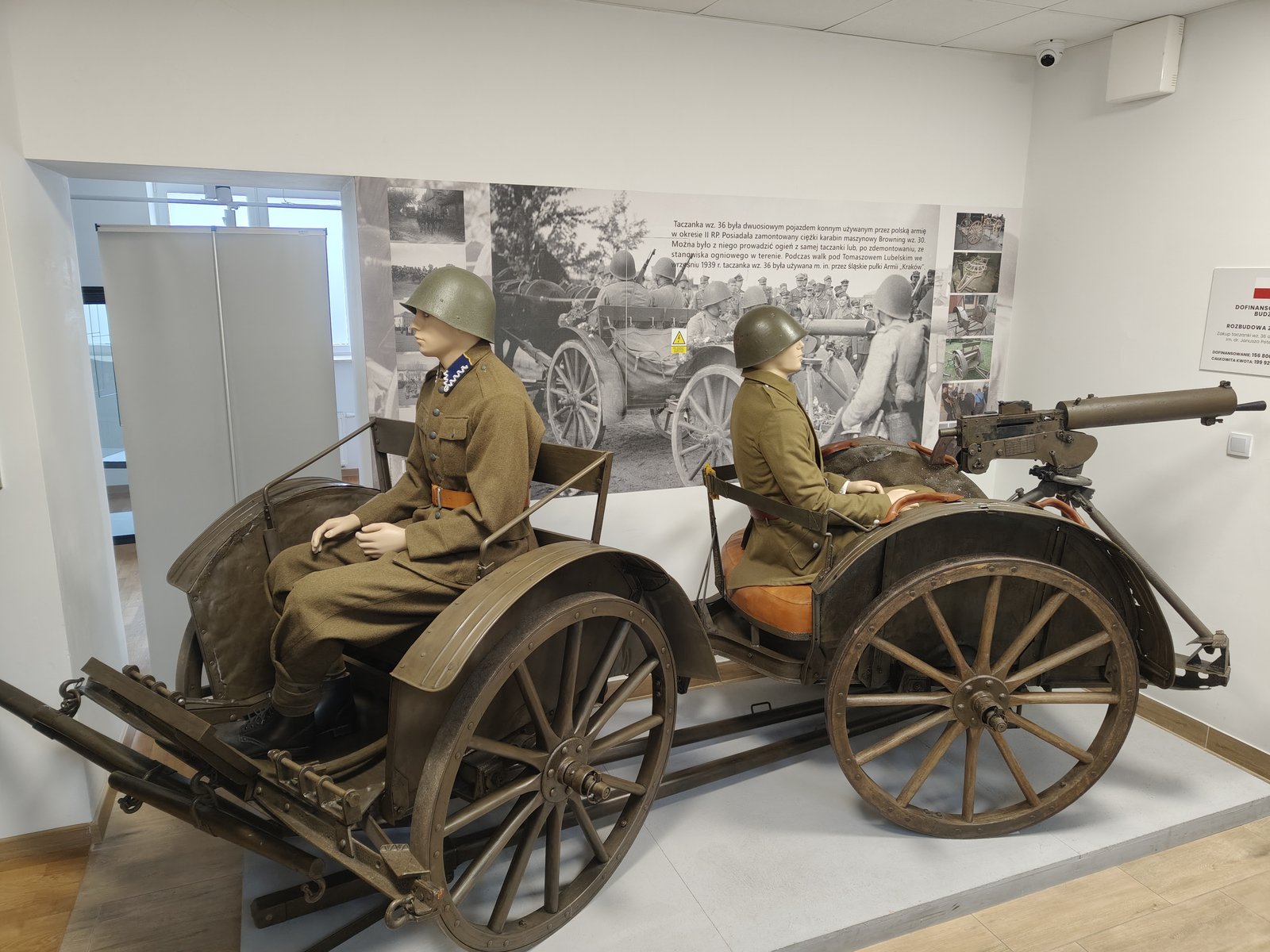
That room covers the battles fought here in September 1939. Two engagements took place around the town, on 17-20 and 22-26 September; the first ended with the surrender of the Polish armies under General Tadeusz Piskor.
The cases hold the finials and colours of three regiments: the 23rd Light Artillery from Będzin, the 5th Podhale Rifles from Przemyśl and the 1st Sappers Battalion from Modlin. Beside them lie the seal of the civil chancellery of the President of the Republic and a UR wz. 35 anti-tank rifle.
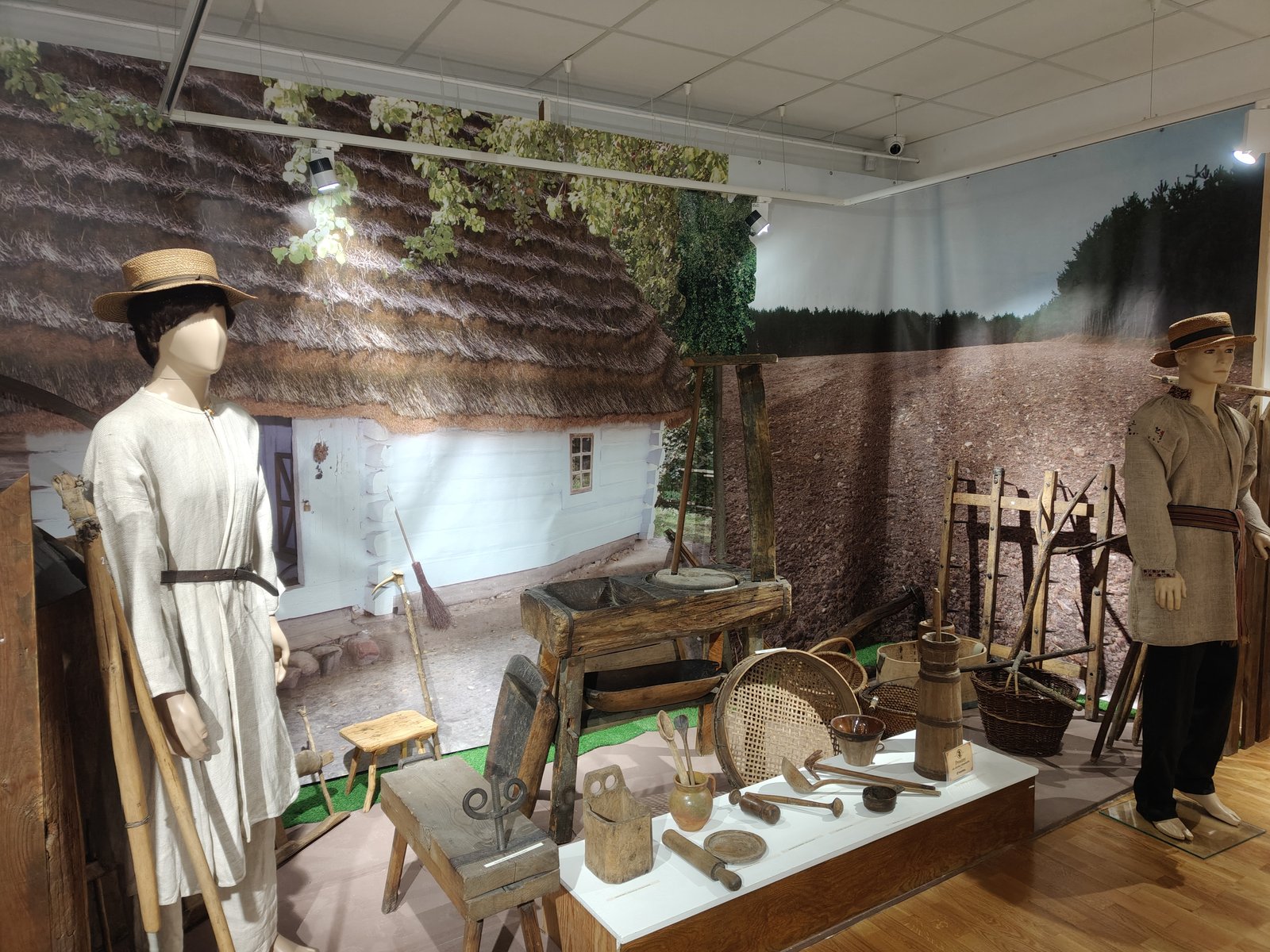
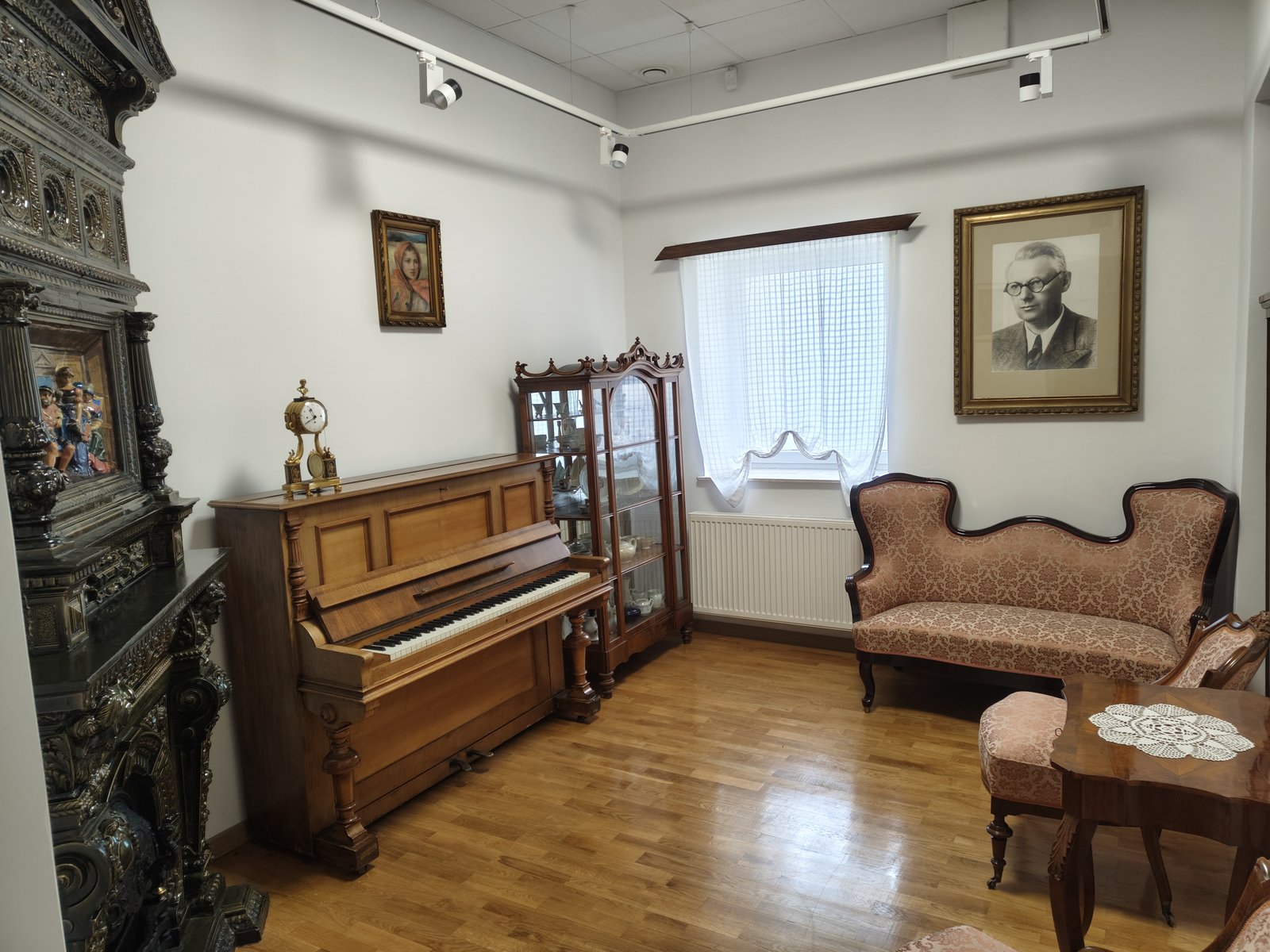
The other two rooms are quieter. One is the ethnographic display of the Tomaszów countryside: costume, farm tools and folk devotional objects from villages near the Ukrainian border. The other reconstructs the founder’s own parlour - his furniture, paintings and porcelain, a tiled stove from the manor at Dzierążnia, and the museum’s only surviving plate from the local porcelain works.
The rest of roughly 15,000 objects sits in storage or surfaces in temporary shows that change several times a year - the 2026 one was “Chotyniec, the western gate of Scythia”. Most of those grow out of regional digs: Grzęda Sokalska, Czermno, Jurów and Ulów. The Ulów cemeteries alone produced hundreds of brooches and Roman silver denarii from the 4th and 5th centuries, and Czermno yielded the material from the stronghold identified with Czerwień, the town named in the Rus chronicles.
Come here if you follow the 1939 campaign, or if you are already driving the Roztocze circuit. Skip it if you do not read Polish. The museum runs no English version of its website, publishes nothing about English labels and offers no audio guide, so without a guide the three rooms are objects without a story. Children get little: no interactive room, no screens, glass cases and captions.
Tips
- Allow 45 minutes. Three permanent rooms take three quarters of an hour, an hour with a guide, 15 minutes more when a temporary show is running.
- Assume Polish only. No English label information is published and there is no English website. A guide costs 30 PLN for the whole group, not per person; the museum publishes nothing about guiding languages, so call ahead on +48 84 663 42 34, the number it gives for education and guided visits, to ask whether English is possible.
- The second site closes at noon. The free Memorial Chamber of Communist Terror at ul. Lwowska 64, in the former security-service lock-up, opens Tuesday to Friday 8:00-12:00 only. At weekends and on Mondays it admits pre-booked groups of at least ten, arranged a day ahead. A weekday morning is the only time you can see both addresses.
- Weekends run later in summer. From 1 May to 30 September the museum stays open until 17:00 on Saturday and Sunday, and until 16:00 on weekdays. From 1 October to 30 April it closes at 16:00 every day. Monday is closed all year.
- Saturdays are free. The museum confirmed this to us by email in September 2026. On other days standard admission is 10 PLN, concessions 8 PLN for pupils, students and pensioners with proof; the Polish large-family card gets the 5 PLN group rate. Everything is in złoty and tickets are sold at the door - no online sale, no timed entry.
- The entrance is not on the street. Walk in from the path leading off the main gate of the secondary-school grounds. The exhibition building is number 8a, the office next door is 8b, and the ramp down to the door doubles as the car park entrance.
- Step-free access works. There is a lift, the exhibition rooms are accessible to wheelchair users and the adapted toilets are on the ground floor. Staff can be called to the door on +48 84 663 42 34. Assistance dogs are admitted on the statutory terms.
- Ignore the directory listings. Tourist portals and business directories still give ul. Zamojska and 3-4 PLN tickets, which is where the museum was before 2020. Navigate to ul. Wyspiańskiego 8a.
Getting there
By car: Tomaszów Lubelski sits on national road 17 (E372), the Lublin road to the Ukrainian border crossing at Hrebenne. Lublin is about 110 km away, Zamość 35 km. The museum has its own car park next to the building.
On foot: the museum stands near the town park, and the way in is the path from the main gate of the I Liceum Ogólnokształcące grounds rather than the pavement on Wyspiańskiego. The office at 8b is the building next door.
By train: Tomaszów Lubelski has no working passenger station. The nearest is at Bełżec, roughly 8 km away, and services there are seasonal - treat rail as a fallback, not a plan.
By bus: PKS Tomaszów and private operators run from Zamość and Lublin to stops in the town centre, within walking distance of the museum. The Memorial Chamber at ul. Lwowska 64 is in a different part of town, so budget a separate hop if you want both.
Nearby
Tomaszów works best as one stop on a day through the Roztocze uplands and the Zamość region. Ten kilometres south, the Bełżec extermination camp memorial museum is free, needs 90 minutes and closes the wartime story this collection only opens. Almost everyone who comes to Tomaszów is going there too.
North-west, the Zamość Museum in the Renaissance old town was this museum’s parent institution from 1975 to 1999 and tells the same regional history on a larger scale. If the village room leaves you wanting more, the Guciów farmstead near Zwierzyniec is the same ethnography in the open air.
Background
The museum exists because one doctor would not let the region’s past disappear. Janusz Peter ran the county hospital here and wrote eight books about the town and its surroundings. On 7 October 1962 he put his private collection on show in the hospital building: about 1,700 objects that still legally belonged to him. The state took the collection over five years later.
The museum moved to the former county assembly building in 1975 and spent the next 24 years as a branch of the museum in Zamość. It gained 830 square metres in a purpose-built veterans’ house in 1984 and became independent again under the Tomaszów county authority in 1999. Since 2020 the displays have occupied the converted boarding school at ul. Wyspiańskiego 8a.
The second site, the Memorial Chamber at Lwowska 64, opened to visitors in 2010. Between 1944 and 1956 the communist security service held, tortured and killed Home Army, Peasant Battalion and Freedom and Independence fighters in those cells; a new exhibition went in there in 2023.
Temporary exhibitions here
Chotyniec - the Western Gate of Scythia
from 15 June 2026
A temporary exhibition on the archaeological discoveries at the Chotyniec site, shown at the Janusz Peter Regional Museum in Tomaszów Lubelski.
Nearby museums
 History
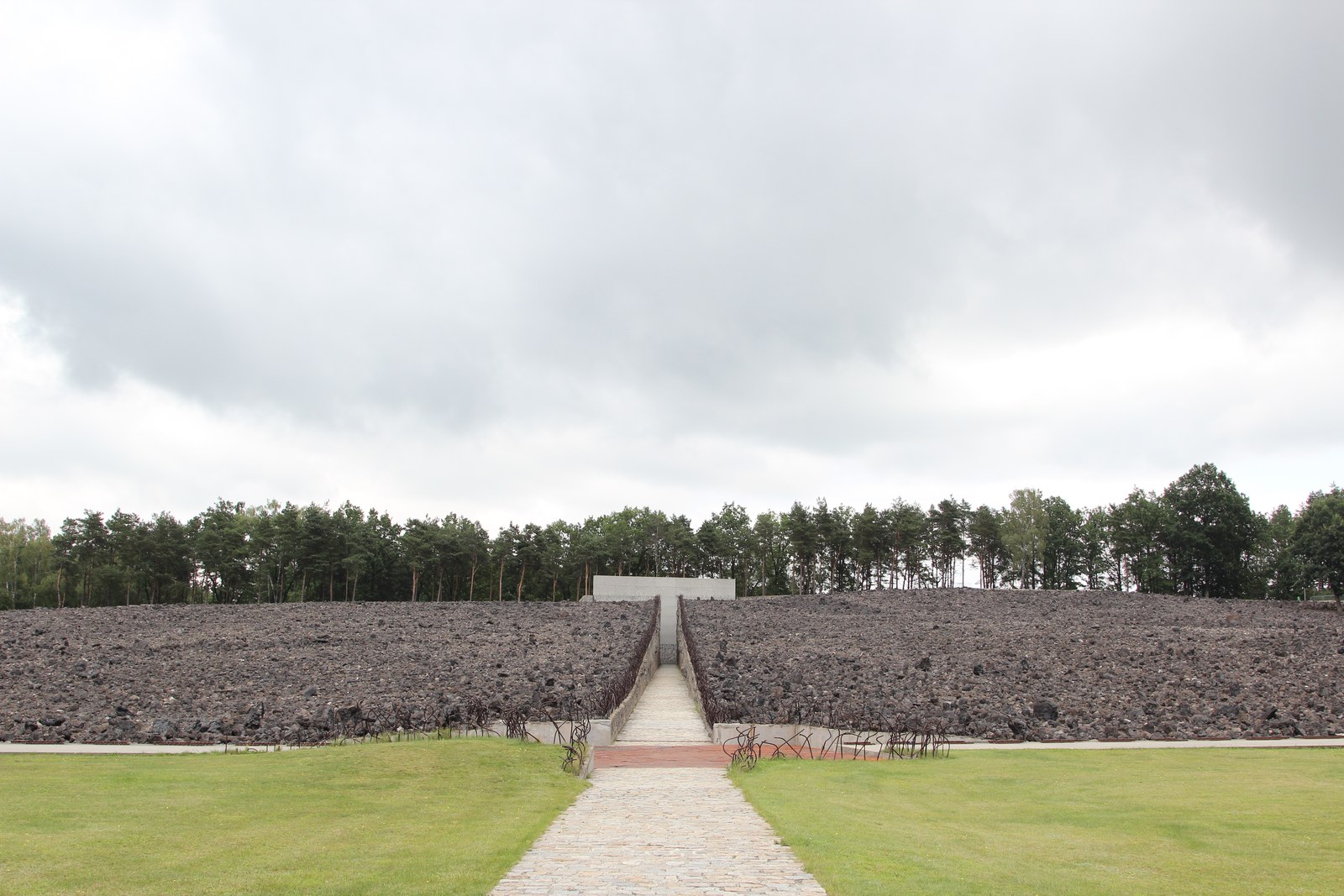
Museum and Memorial Site in Bełżec
ul. Ofiar Obozu Zagłady 4, 22-670 Bełżec
Memorial on the site of the German Nazi extermination camp at Bełżec, 1942-1943. Free admission, permanent exhibition, opening hours and …
 History
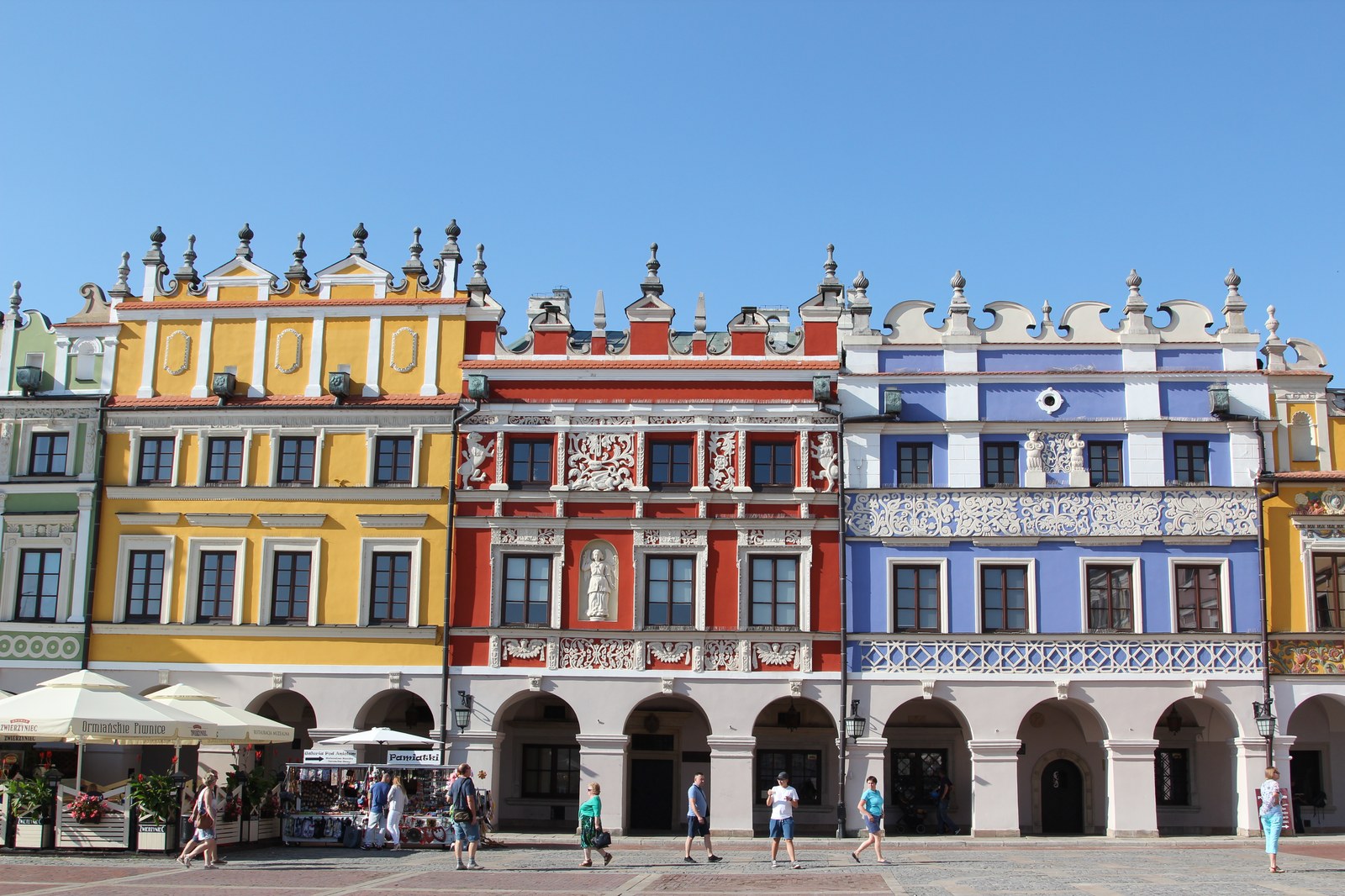
Zamość Museum
ul. Ormiańska 30, 22-400 Zamość
The museum in Zamosc fills 17th-century Armenian merchant houses on the UNESCO-listed Great Market Square. Four permanent displays, tickets …
 Culture
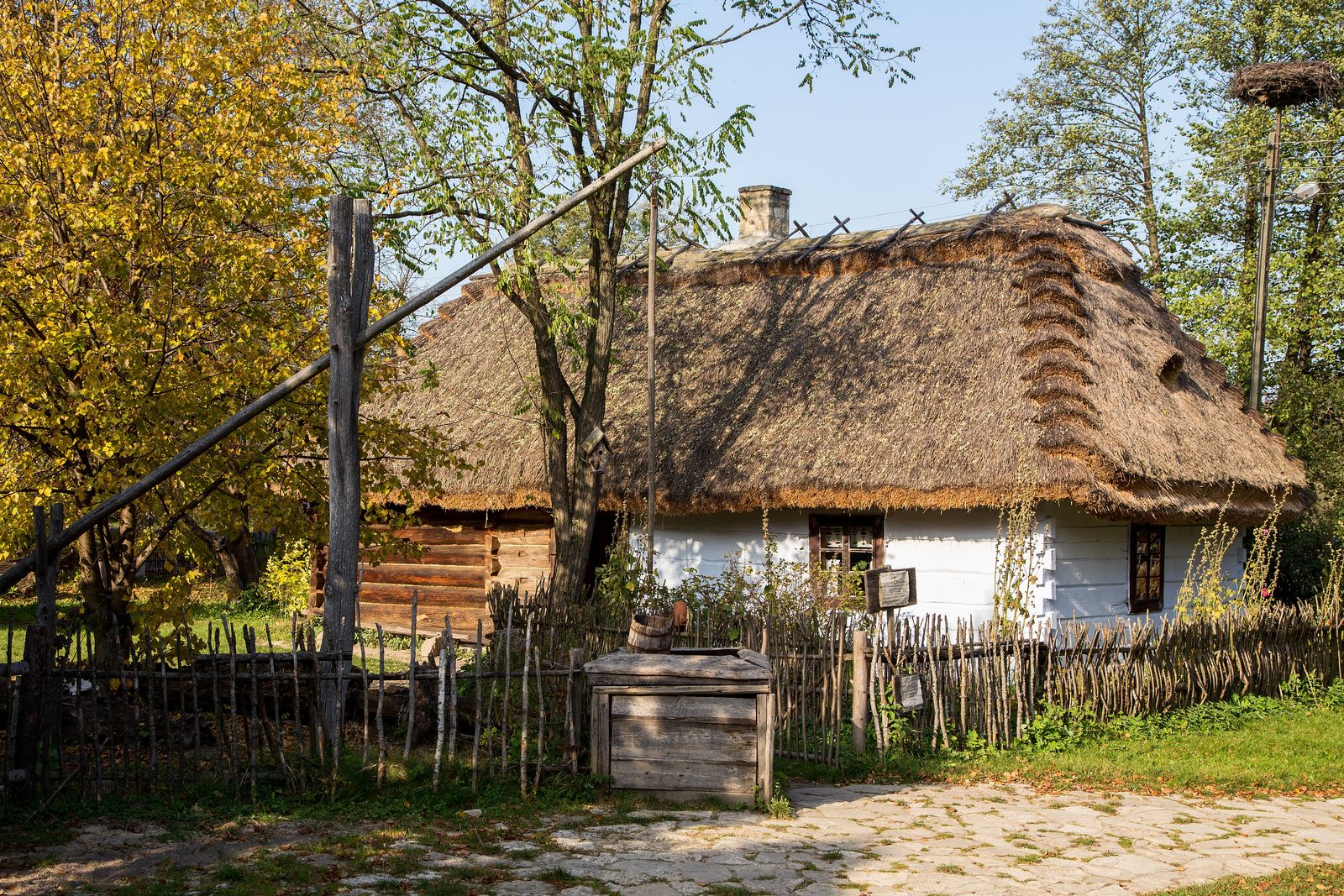
Guciów Farmstead - Ethnographic-Natural History Museum
Guciów 19, 22-470 Zwierzyniec
The Guciów farmstead museum on the Roztocze: the Zakłodzie meteorite, dinosaur tracks and an 18th-century cottage. Guided tours, full ticket …