Museum and Memorial Site in Sobibór
Muzeum i Miejsce Pamięci w Sobiborze
- Wheelchair: Yes
Location
What to expect
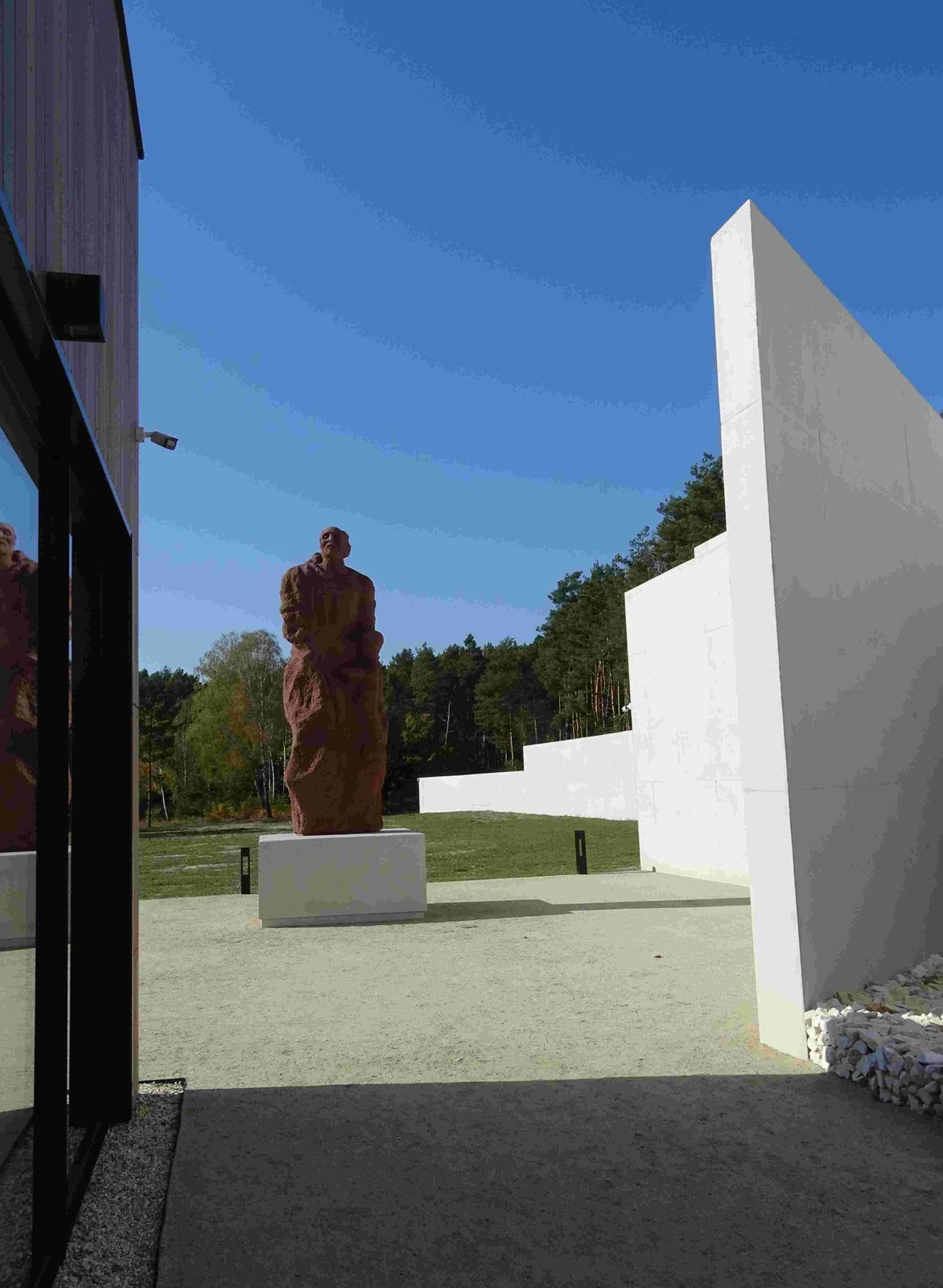
Sobibór is a cemetery with no graves. After the prisoners’ revolt of 14 October 1943 the Germans dismantled the Sobibor extermination camp and planted the ground over with forest, so for decades there was almost nothing here to see. Nearly everything the memorial shows was dug out of that ground by archaeologists, and the museum in its present form opened only on 29 October 2020.
A visit falls into two halves. The first is the permanent exhibition, SS-Sonderkommando Sobibor. German Extermination Camp 1942-1943, laid out across sixteen thematic panels that run from the premises of Nazi racial policy through the organisation of deportations and mass murder to the revolt itself. Its centre is a twenty-five-metre display case, milky white inside like a laboratory, holding more than 700 objects recovered in the excavations: jewellery, keys, spectacles, fragments of clothing, writing implements.
Smaller cases set into the walls isolate single things, a watch that stopped, a child’s toy, each tied to one named person. Around them run close to a hundred photographs and documents, a scale model of the camp’s topography, and projections of survivor testimony.
The second half is outdoors and takes roughly as long. White gravel paths lead from the building along the Alley of Remembrance, where stones commemorate deported families and whole communities. From there the route passes the marked course of the corridor the Germans called the Himmelfahrtstrasse and ends at the clearing that covers the victims’ ashes. A temporary exhibition on the murder of Jews in the German Reinhardt operation has been on show since 18 March 2025.
The Museum advises against visits by anyone under 14 and will not guide younger visitors. This is not a stop to slot into a touring day: people come here on purpose, and leave quietly.
Tips
- Allow two hours, not one. The Museum says a visit takes about an hour, which covers the exhibition indoors. Walking the grounds out to the burial mound adds a second hour, and a guided tour plus time at the memorials brings it closer to three.
- Free entry, paid guiding. Tours cost 100 PLN for a group of up to 10 and 250 PLN for up to 30 in Polish, or 200 PLN and 400 PLN respectively in a foreign language. Each tour lasts about an hour and a half. Guides work in Polish, English and German; book by phone or e-mail, ideally a week ahead. Visiting on your own needs no reservation at all.
- English on site. The panels marking the key points of the camp carry Polish, English and Hebrew, and the Museum’s free app covers Sobibór, Bełżec and Majdanek with offline maps and survivor accounts. Mobile coverage in the forest is unreliable, so install it before you set off.
- Watch the last-entry times. From April to October the grounds close to new arrivals at 17:00 and the exhibition at 16:30; from November to March the site shuts at 16:00. Closed on Mondays and on 1 and 6 January, Easter, Corpus Christi, 1 and 11 November, and from 24 to 31 December.
- Dress for weather and place. Half the route is in the open air and there is no cloakroom or luggage store. The visiting rules require dress appropriate to a burial ground and prohibit, among other things, eating on site, smoking, animals other than assistance dogs, and lighting candles outside the designated places.
- Photography for publication needs consent. Taking pictures for yourself is not banned, but material intended for publication, recordings of staff, and drone flights all require the Museum’s prior permission.
- Wheelchair on loan. The building is step-free, with an adapted toilet and two marked bays by the entrance, and an orthopaedic wheelchair can be borrowed free of charge. The outdoor paths are compacted white gravel, hard going on wheels without pneumatic tyres.
Getting there
By car. Żłobek 101, by the Sobibór railway station settlement, about 18 km from Włodawa and about 95 km from Lublin - just under two hours’ drive from Lublin on regional road 812 or 816. The turning is signposted and parking on the museum grounds is free. A hire car is the realistic option for most international visitors.
By train. From the last weekend of June to the end of August a train runs on the Chełm-Włodawa line and stops at Sobibór station on Saturdays, Sundays and additionally on 15 August. Outside that window the service does not operate.
By minibus and taxi. Minibuses link Lublin with Włodawa, but from Włodawa the only way to cover the last 18 km is a taxi - there is no public transport on that stretch. Arrange the return trip before you are dropped off; there is nothing to wait in at Żłobek.
Nearby
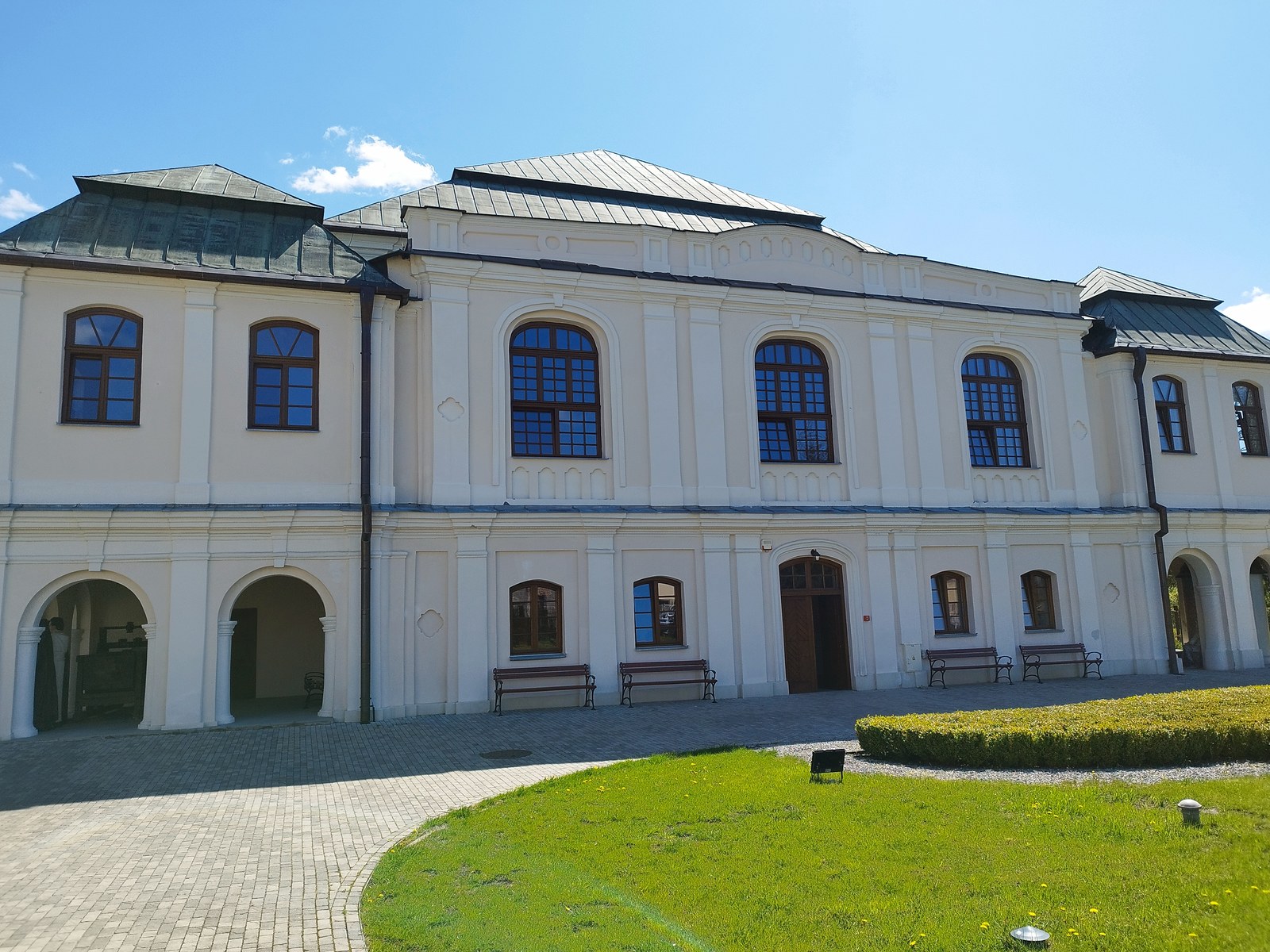
Eighteen kilometres away, the synagogue complex museum in Włodawa shows the pre-war life of the community destroyed at Sobibór, giving the names a place to belong to. The sister branch is the museum on the site of the Bełżec camp , the other Reinhardt extermination centre, similarly built on what archaeology recovered. The parent institution of both is the State Museum at Majdanek in Lublin. There the barracks survived, and the evidence is the site itself rather than objects dug from the soil.
Background
The Sobibór extermination camp operated from May 1942 to December 1943 as one of the three centres of the German Reinhardt operation. Historians put the number of Jews murdered here at around 180,000; Robert Kuwałek’s 2014 work revised earlier and higher estimates downwards. On 14 October 1943 the prisoners revolted: about 300 got out of the camp, and between 40 and 70 survived the war. The Germans then liquidated the camp, pulled down the buildings and planted the ground with trees.
Commemoration came slowly. A monument was raised in 1965, a museum of the former camp was founded in 1993, and Sobibór became a branch of the State Museum at Majdanek in 2012. Archaeological campaigns from 2001 and 2004 established the camp’s extent of 31.27 hectares and uncovered the foundations of the gas chambers; the finds from those excavations are the backbone of today’s exhibition.
Temporary exhibitions here
The Extermination of Jews in the German "Reinhardt" Operation
from 18 March 2025
A temporary exhibition on the extermination of Jews in the General Government during the German 'Reinhardt' operation, prepared for its 80th anniversary.
Nearby museums
 Culture
Museum - Synagogue Complex in Włodawa
ul. Czerwonego Krzyża 7, 22-200 Włodawa
The Włodawa synagogue complex in eastern Poland: a Great Synagogue of 1764-1774, an older study house and the kahal house. Hours, tickets …
 History
State Museum at Majdanek
ul. Droga Męczenników Majdanka 67, 20-325 Lublin
The grounds of a German Nazi concentration camp in Lublin, with 70 surviving buildings. Admission is free and a full visit takes about three …
 History
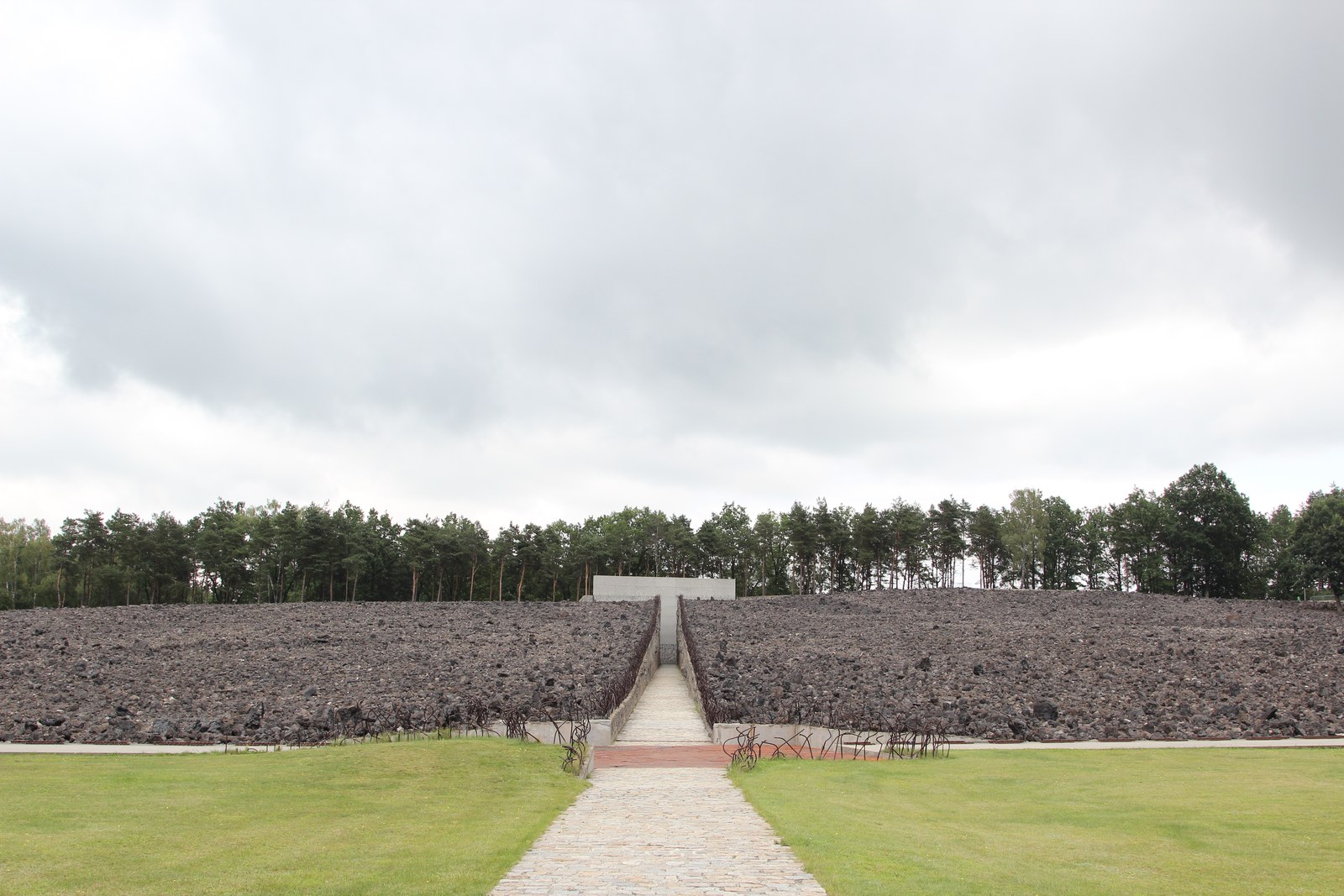
Museum and Memorial Site in Bełżec
ul. Ofiar Obozu Zagłady 4, 22-670 Bełżec
Memorial on the site of the German Nazi extermination camp at Bełżec, 1942-1943. Free admission, permanent exhibition, opening hours and …