Władysław Orkan Museum in Rabka-Zdrój
Muzeum im. Władysława Orkana w Rabce-Zdroju
- Wheelchair: Yes
Location
What to expect
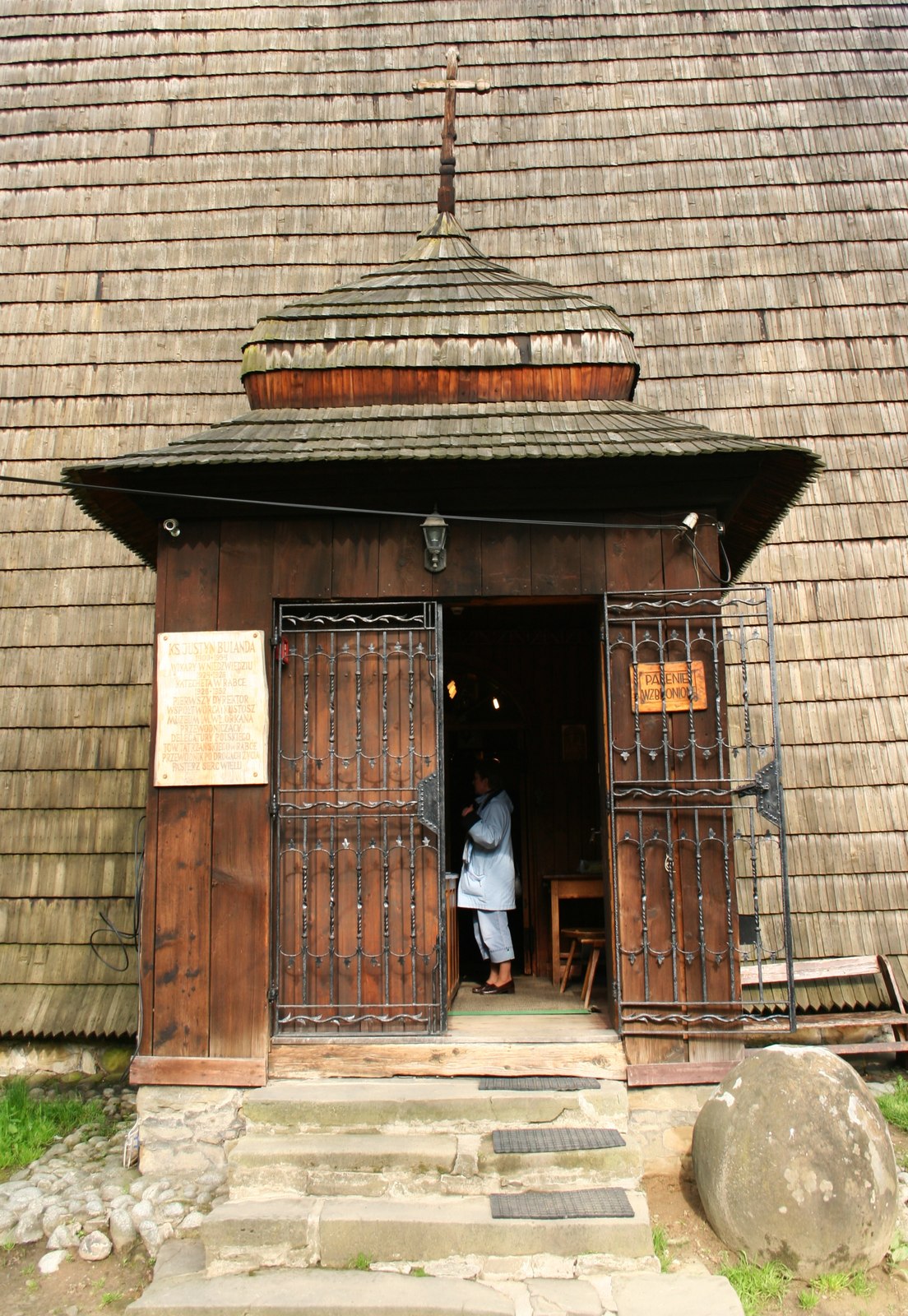
The best thing in the Orkan Museum in Rabka-Zdrój is the building itself. It occupies a larch-timber church of St Mary Magdalene raised between 1600 and 1606, one of the more valuable wooden churches in Małopolska. The parish moved to a new building in the early 20th century, which is exactly why this one still stands. You walk in past altars, painted walls and a working 1778 organ before you reach a single display case.
Start with the name, because it will otherwise mislead you. Władysław Orkan (1875-1930) was a Polish novelist of the Gorce mountains, a regionalist writer largely unknown outside Poland, and he gave his consent to the naming before his death in 1930.
He is not the subject. The collection is about the Zagórzanie - the highlanders of these valleys - and the museum holds only a small personal thread of his: instruments, photographs, two pastels he painted. His own house museum is elsewhere, in Poręba Wielka.
The permanent display fills four rooms in the base of the church tower, and the sensible route runs backwards: the folk sculpture room first, because it is the real reason to come. The rest is context, but strong context - Rabka’s 19th-century potteries sold across Podhale, Spisz and Orawa, and into Slovakia and Hungary.
Around the clay sits the world that used it: shepherd huts, milk vessels, cheese moulds, the benches of carpenter, cooper and smith. Zagórzanie festive dress closes the row, linen and embroidered wool, the culture on a feast day rather than a working one.
That sculpture room holds the best of a collection of roughly five thousand objects. Its showpiece is a Sorrowful Christ from Maków Podhalański which, in the museum’s own words, “zachwycił się sam Pablo Picasso” - Picasso admired it during his stay in Wrocław in August 1948. The rest are mostly devotional figures: St John Nepomucene, St Lawrence, St Florian, Virgins and Sorrowful Christs.
Be clear-eyed about fit. This is a small regional museum in a spa town, not a national collection, and it rewards a specific interest: wooden sacred architecture, folk carving, Carpathian material culture. Allow 45 to 60 minutes. If you are in Rabka with children for the amusement park, four rooms of cases will not hold them - book a workshop instead, or skip it.
Tips
- Labels are Polish only. Nothing on the museum’s site suggests otherwise. Without Polish you are looking at objects, not reading a story - the guided tour is the fix, and it has to be arranged ahead. Tours and workshops are booked through the museum office on 18 267 62 89; 18 267 67 47 reaches the exhibition itself.
- The package beats the ticket. Workshop plus admission plus a guided tour is 40 PLN per person (50 PLN for pottery), with the tour included. A group guide booked on its own is 50 PLN. For one or two people the package costs less than a ticket plus a guide.
- Navigate to Orkana 2. Listings sites circulate the address Sądecka 6 - that is the museum’s offices, stores and archive, not the visitor entrance.
- Watch Mondays from October. Outside the summer season the museum closes on Mondays and shuts at 16:00, with the last tickets sold half an hour earlier. Standard admission is 16 PLN, reduced 12 PLN.
- There is no free day. The museum publishes none, so do not plan around one.
- Look up. The altars, the crucifixion group and the 1778 organ loft are half the reason to come, and they are not in the exhibition description.
- Parking is free and easy. Visitor accounts point to a large lot opposite the church, plus kerbside space along ul. Orkana - a relief in a town centre that fills up in season.
- 2026 is the 90th year. The anniversary exhibition “Dziedzictwo 2.0 - 90 lat Muzeum” is running now and will not be here next season.
Getting there
On foot from the spa centre. The museum is at Orkana 2, within walking distance of the Park Zdrojowy - head towards the river Raba. The church is easy to spot: timber, ringed by old trees, with a free-standing bell tower.
By car from Kraków. About 65 km south on the Zakopianka (DK7/S7) towards Nowy Targ, roughly an hour outside peak times and considerably longer on summer weekends.
By bus from Kraków. Frequent coaches and minibuses towards Nowy Targ and Zakopane stop in Rabka-Zdrój. This is the simplest option without a car and runs throughout the day.
By train. A regional line reaches Rabka-Zdrój via Chabówka, where there is also an open-air railway museum if you want to make a day of it.
From Zakopane. About 35 km north on the same road, under an hour - a workable escape from a rainy afternoon in the mountains.
Nearby
The Zagórzanie are not the Podhale highlanders, so the obvious companion visit is the Podhale Museum in Nowy Targ , 17 km south - same shelf, different ethnographic group. The neighbouring region to the east is covered by the Limanowa Regional Museum . For folk carving and costume on a national rather than a single-valley scale, Kraków’s Ethnographic Museum is the wide-angle version of everything here.
Background
A wooden church was funded in Rabka in 1565 by Spytek Wawrzyniec Jordan, castellan of Kraków. The larch building that stands today went up between 1600 and 1606 and was consecrated in 1634. When the parish moved out in the early 20th century, the old church was left empty.
The Polish Tatra Society began converting it in 1929. Orkan, by then the best-known writer of these mountains and a co-founder of the Union of Highlanders, approved the use of his name during those preparations, before his death in May 1930. The regional museum opened on 9 August 1936. In 2016 the museum received the bronze Gloria Artis medal, Poland’s national cultural decoration, in the museology category.
Nearby museums
 Culture
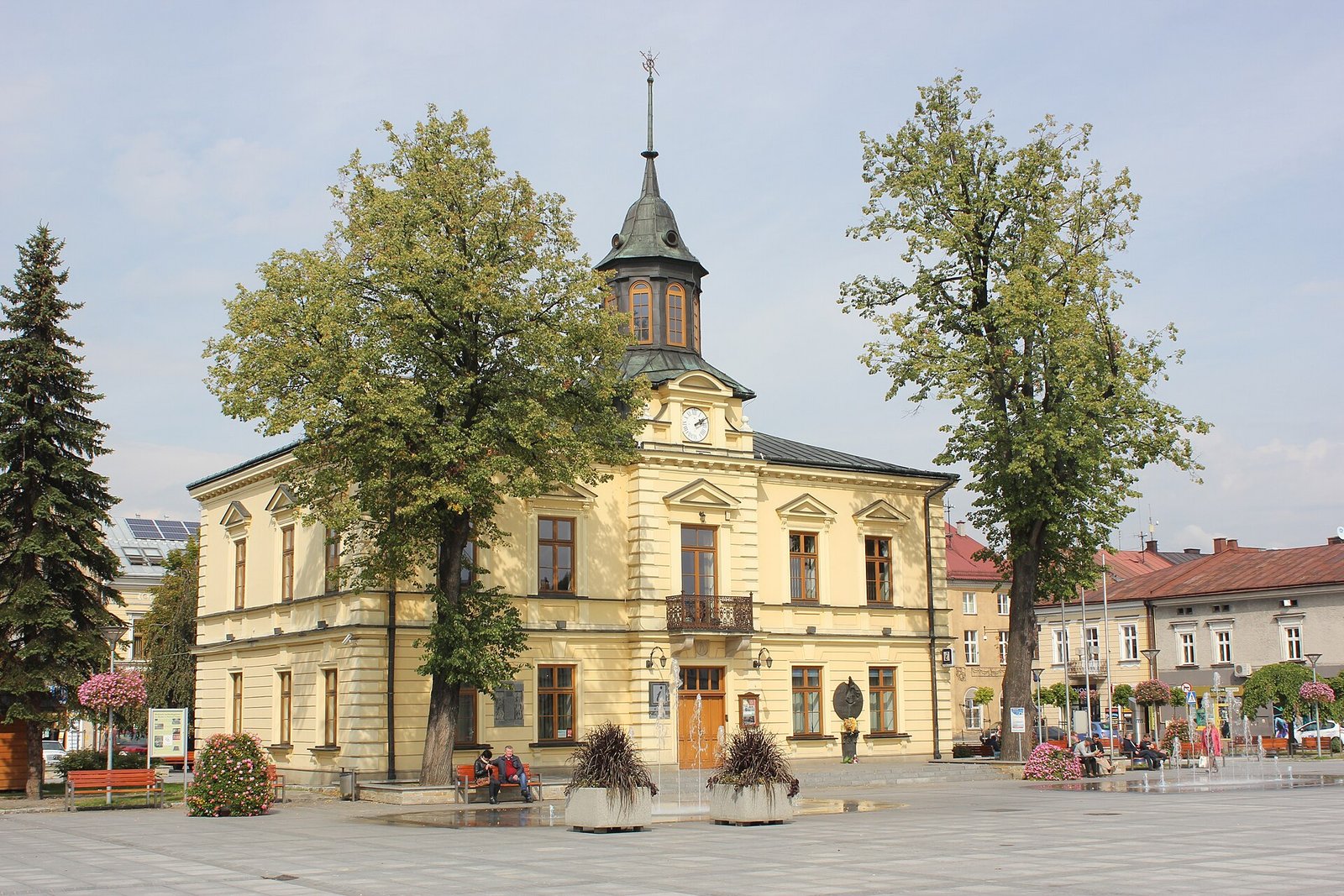
Podhale Museum in Nowy Targ
Rynek 1 - Ratusz, 34-400 Nowy Targ
Podhale Museum in Nowy Targ near Kraków - guild crafts and folk art of the Tatra region in a historic town hall. Tickets 10/7 PLN, free …
 Culture
Seweryn Udziela Ethnographic Museum
pl. Wolnica 1, Kraków
The Ethnographic Museum Krakow shows Polish folk culture in Kazimierz's old town hall. Hours Tue-Sun 10-18, tickets PLN 20/15, free on …
 Culture
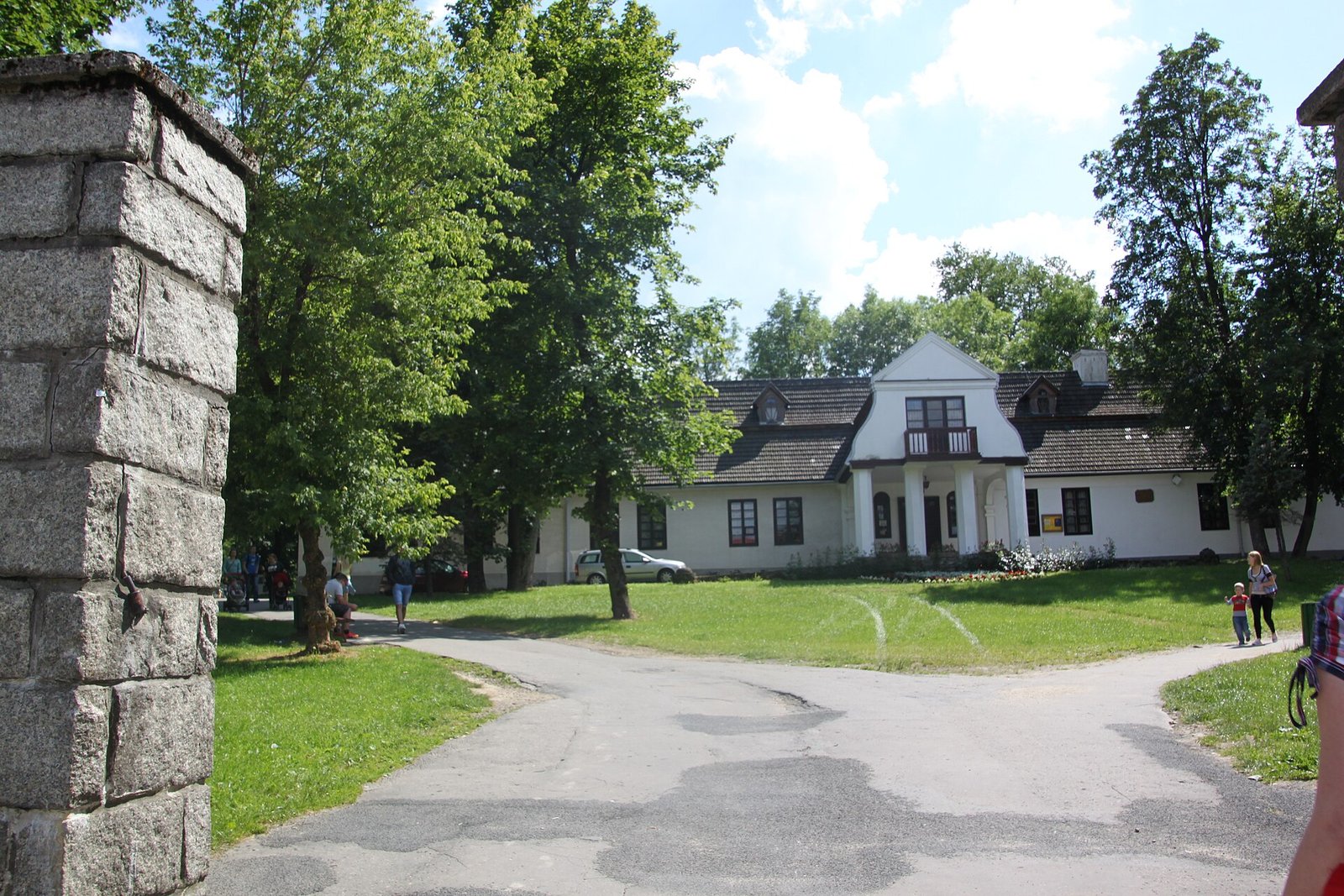
Museum of the Limanowa Land
ul. Józefa Marka 13, 34-600 Limanowa
Museum of the Limanowa Land in Limanowa, near Kraków. Regional history, ethnography, the 1914 battle. Hours, tickets 15/10 PLN, Marsów …