PTTK Regional Museum in Olkusz
Muzeum Regionalne PTTK im. Antoniego Minkiewicza w Olkuszu
Location
What to expect
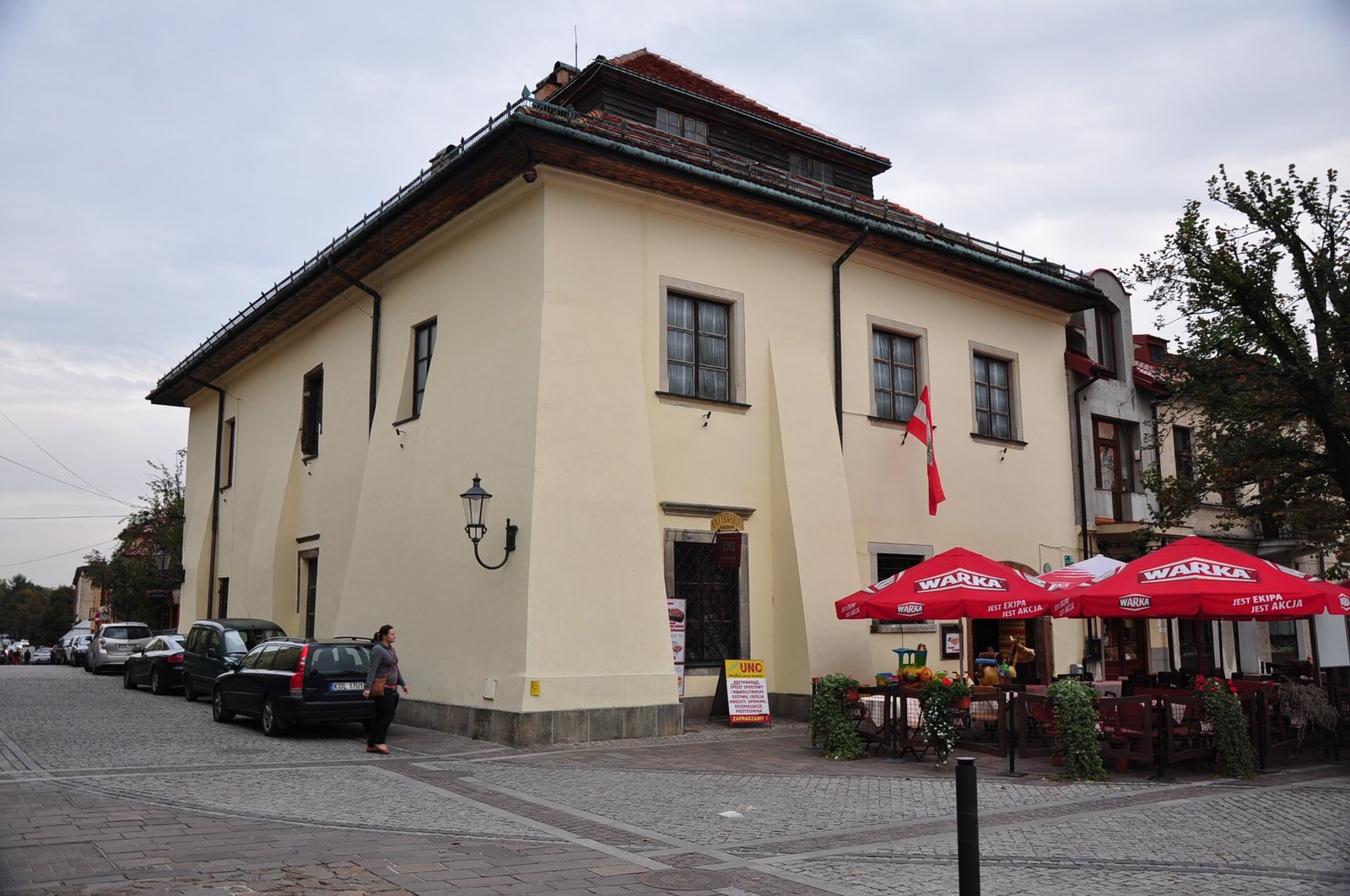
Is the Olkusz Regional Museum worth a train ride from Krakow? On its own, only if mining history is your thing: it is one upper floor of display cases above a restaurant, run by the PTTK tourist society. As part of a day in Olkusz, with the Africanist Museum around the corner and a marked hiking trail via Rabsztyn castle passing the building, it earns its hour.
The reason to come is silver. Olkusz grew rich on lead and silver ore from the Middle Ages onwards, and the mining cases show the kit that did the work. The Visit Małopolska regional portal lists hand picks, a mortar for crushing ore, a sieve for washing it, a wooden hammer, oil and carbide lamps, and stone weights used to weigh the ore. Ore and mineral samples from the local mines sit alongside.
Then find the sword, which PTTK dates to around 1300 and calls the executioner’s sword. Visit Małopolska retells the legend that it took the heads of two miners who tunnelled under a church looking for silver - a story that ties the sword to the mining room.
Folk carvings of saints from wayside shrines that no longer exist, a Judaica collection and local fossils fill the rest and can be done in a quarter of an hour.
Set your expectations accordingly. A Polish blogger who visited in 2019 compared the experience to rummaging through the storeroom of an antiques shop, and singled out the staff as exceptionally friendly. Best for anyone keen on regional and mining history and for anyone already in town. If you have a single free day near Krakow and no special interest in mining, spend it elsewhere.
Tips
- The door is a restaurant gateway. There is no museum entrance on the square: walk through the gate of the ground-floor restaurant and climb the stairs. One visitor’s blog warns that in summer the restaurant’s outdoor seating hides the gate.
- An hour is plenty. TripAdvisor puts the visit at under an hour, which leaves time for the second museum in town.
- Weekdays only, and phone first. The listed hours are Monday to Friday, 8:00-16:00. At weekends only groups that have booked by phone get in. One regional tourism portal gives different opening days, so call +48 32 643 42 27 before you set off from Krakow.
- Ask about English when you call. No source confirms the language of the labels. Visit Małopolska lists service in Polish, English and German, but that describes the staff, not the captions, so be ready to read the objects rather than the text.
- Ask about the price in the same call. The PTTK page publishes no ticket prices and outside listings disagree, so neither the amount nor the payment method can be confirmed in advance.
- Bring a camera. Visit Małopolska lists photography as permitted; the PTTK page says nothing either way.
- Walk on to Africa. The Africanist Museum in Olkusz on ul. Szpitalna is about 180 m away as the crow flies, with masks and fetishes from West and Central Africa - the natural second stop of an Olkusz day.
Getting there
By train from Krakow: in 2024 Polregio ran regional trains from Kraków Główny to Olkusz; check the current timetable on the operator’s site before you travel. Olkusz station was rebuilt in 2025, but its ticket office has been closed since 2012, so sort out your return ticket in advance. The station lies about 1.1 km south-east of the market square as the crow flies.
By car: Olkusz sits on national road 94, halfway between Krakow and Będzin, about 36 km north-west of Krakow’s Main Square as the crow flies.
Finding the door: the museum is at Rynek 20, on the market square itself, on the first floor above the restaurant.
Nearby
If the Olkusz mining cases leave you wanting more, go to the Cracow Saltworks Museum in Wieliczka , about 48 km away as the crow flies. It tells the parallel story of salt, with an exhibition route deep inside the mine.
Krakow’s Archaeological Museum , roughly 36 km away, reaches much further back into the prehistory of the region and is an easy add-on to a Krakow day. For another small-town museum of the same kind, the Kłosiński Museum in Kęty lies about 50 km to the south-west.
Background
Activists of the Polish Society for Country Studies, the forerunner of today’s PTTK, set the museum up in 1911, which places it among the oldest regional museums in Poland. Apart from a break in 1914-1916, it stayed open until the Second World War. During the German occupation the collection was entrusted to trusted individuals for safekeeping, and the museum came back in 1958, first on Sławkowska Street and later on Floriańska.
Batorówka is a sixteenth-century house at Rynek 20 that PTTK calls the oldest townhouse in Olkusz, named after the local legend that King Stefan Batory slept there. Work on it began in 1965, and the collection moved in three years later. The society became the building’s owner in 1972. In 1989 the museum took the name of Antoni Minkiewicz, a mining engineer from the region.
Nearby museums
 History
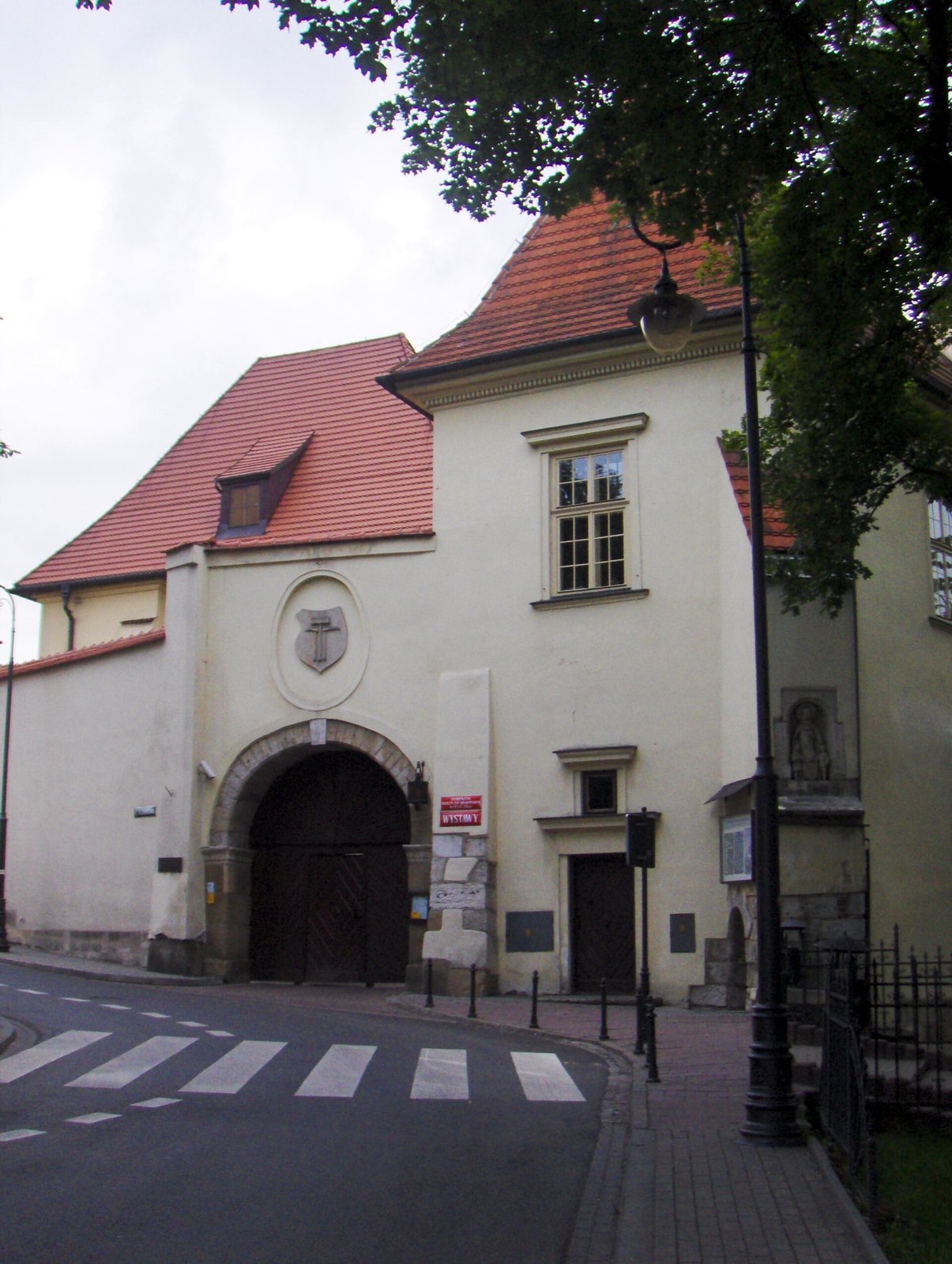
Cracow Saltworks Museum in Wieliczka
ul. Zamkowa 8, 32-020 Wieliczka
Cracow Saltworks Museum in Wieliczka - the Museum Route on level III of the salt mine, in the Tourist Route ticket. Saltworks Castle closed …
 History
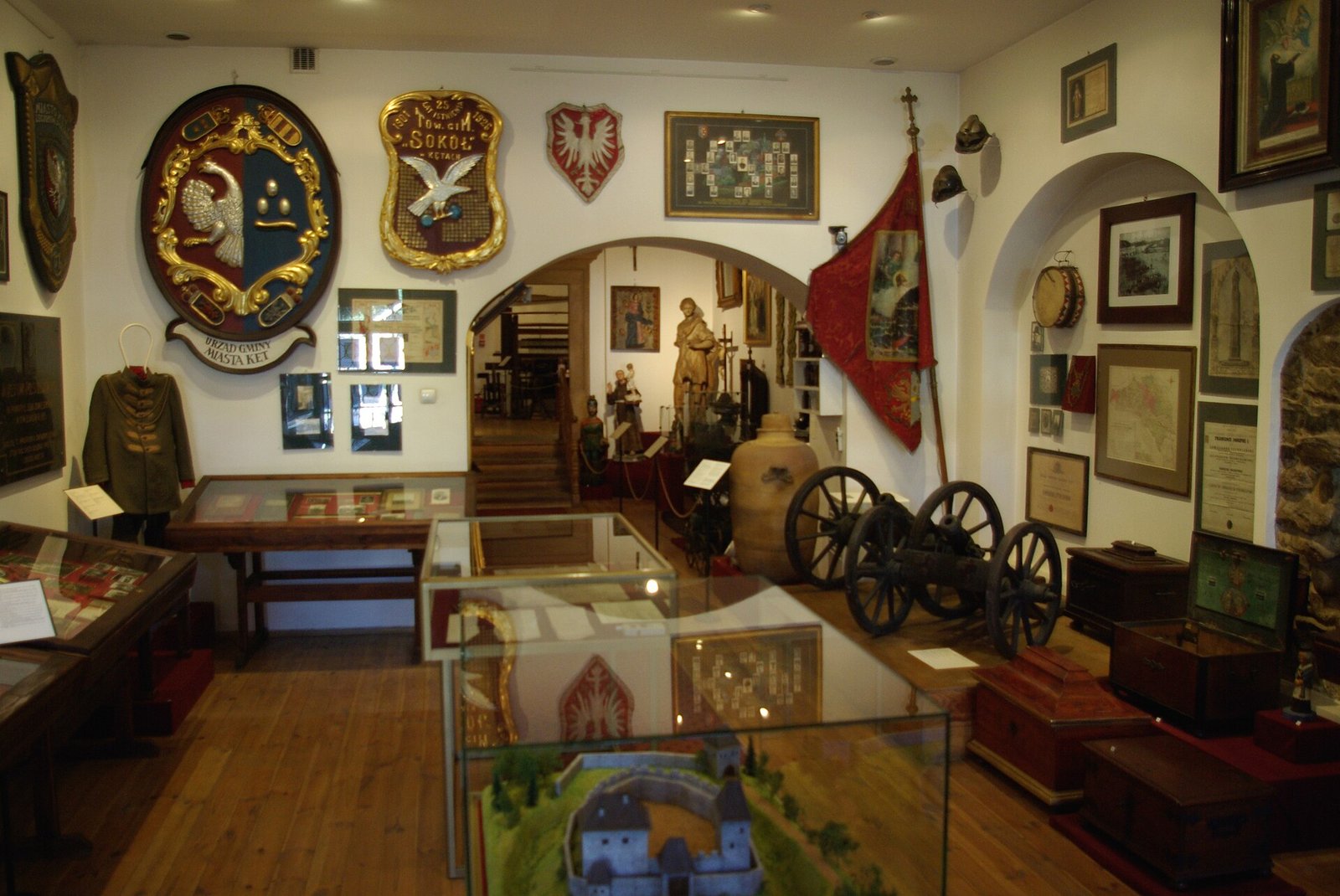
Aleksander Kłosiński Museum in Kęty
Rynek 16, 32-650 Kęty
Kłosiński Museum in Kęty near Kraków - regional history, archaeology and ethnography. Opening hours, tickets 8/4 PLN, free on Sundays.
 History
Archaeological Museum of Krakow
ul. Senacka 3, 31-002 Kraków
Archaeological Museum Krakow: during the rebuild only the prehistory of Małopolska is open. Tue-Sat 9-17, Sun 11-16, tickets PLN 15/10, free …