Museum of the Wiśnicz Land in Nowy Wiśnicz
Muzeum Ziemi Wiśnickiej w Nowym Wiśniczu
Location
What to expect
Almost everyone who comes to Nowy Wiśnicz comes for the castle on the hill. The Wiśnicz Land Museum sits below it, on the road that runs down from the castle gate to the market square. The house was founded in 1641 as an almshouse for the poor and the elderly of the estate. Inside are a handful of rooms: paintings by artists from the Wiśnicz area, cases of old town photographs and coins, a room given to Jan Stasiniewicz. Two more hold Czesław Dźwigaj’s stained glass, medals and monument designs.
The object that stops people is a 17th-century bronze cannon barrel in the main hall, heavily ornamented, stamped with the Szreniawa coat of arms and Stanisław Lubomirski’s initials. It was dug up in 2006 during construction work on the town’s sports ground. Around it stands the material the castle does not show. There is Judaica from the Jewish town destroyed in the war, and fragments salvaged from the demolished Carmelite church. There are shackles from the local prison, and the only pre-war gala uniform of the Polish Prison Guard still in existence.
This is a small municipal museum and it behaves like one. Staff tend to walk you through the rooms and talk rather than sit at a desk, and temporary displays change. Allow 45 to 60 minutes, or an hour and a half if you let a member of staff tell you the whole story of the town.
Come here if the castle has left you curious about what happened to the town below it. Skip it if you are on a weekend day trip from Kraków, because it will be locked: the doors open on Tuesdays and Thursdays only, from 10:00 to 14:00.
Tips
- Tuesday or Thursday, or not at all. The museum opens Tuesdays and Thursdays, 10:00 to 14:00, and is closed on every other day. That window falls inside the castle’s weekday opening hours, so one weekday morning covers both - museum first, then the climb up the hill.
- No English provision is published. The institution’s English website has no page for the museum at all, and nothing is published about the language of the labels. Assume Polish, and treat the staff’s commentary as the main source of explanation - some of it may be in Polish only.
- Booking is by phone, not online. There is no online ticketing. Any visit outside Tuesday and Thursday is possible for organised groups only, by prior reservation - call the booking line on +48 14 612 83 41 rather than emailing the general information address.
- Ask the price at the door. The institution’s published price list covers the castle and its routes; no admission price is published for the museum building itself. Settle the ticket when you arrive or when you book.
- Two things to find. The Lubomirski cannon barrel from the 2006 dig, and the prison material - the shackles and the guard’s gala uniform. Both explain Nowy Wiśnicz better than the castle’s staterooms do.
- There is something to see when it is shut. The monument to Juliusz Kossak, the painter born in this town, stands beside the building, and Czesław Dźwigaj’s outdoor sculpture display “Via Sancta” is arranged on the same plot. Both are visible from the street on a closed day.
- School groups get a different offer. For kindergarten and primary classes the museum runs themed lessons at 25 PLN per person, in groups of 15 to 30, including one on the history of the Jews of Wiśnicz. A single family cannot use this format.
- Accessibility. The museum publishes no accessibility information - call before visiting.
Getting there
- On foot in Nowy Wiśnicz. The building stands on the road between the castle and the market square, so it is walkable from either. Going back up to the castle is an uphill stretch.
- By bus from Bochnia. Bochnia, about 10 km north, is the hub for this trip. RPK Bochnia and private operators run the route in 15 to 30 minutes; timetables are on rpk-bochnia.pl and e-podroznik.pl.
- By train and bus from Kraków. Take a train to Bochnia station, then the bus into town. With a 10:00-14:00 opening window, aim for an early train - there is no slack for a missed connection.
- By car from Kraków. About 50 km southeast, roughly an hour: the A4 motorway to Bochnia, then south on the local road. The town has fewer than 3,000 inhabitants, so weekday parking is not a problem.
Nearby
The natural pairing is the Stanisław Fischer Museum in Bochnia , which tells the same region’s story on a much larger scale. Fischer’s own paintings hang here in Wiśnicz, so the two collections answer each other. If a child’s patience for display cases runs out in Bochnia, the Butterfly Museum in Bochnia keeps live tropical butterflies a few streets away. On the drive back to Kraków, the Wieliczka Salt Mine shows underground what regional museums keep in their files.
Background
Stanisław Lubomirski founded the house in 1641 as a Zakład Ubogich, then called a hospital, though it treated nobody - it was a shelter for the destitute and the elderly of the Wiśnicz estate. An Austrian document of 1863 records nine residents. The institution’s assets were valued at 5,000 złoty in the 19th century. In 1869 its funds passed to communal administration and the building itself to the town; the restored house opened as a museum in 2002.
Two other stories run underneath the exhibition. Lubomirski also founded a Carmelite monastery between 1631 and 1635, to mark the victory at Chocim. The Germans wrecked it between 1942 and 1944, and its surviving buildings became the prison the town still lives with. The Jewish community, which knew the place as Vishnitsa, disappeared in the same years.
Nearby museums
 Science
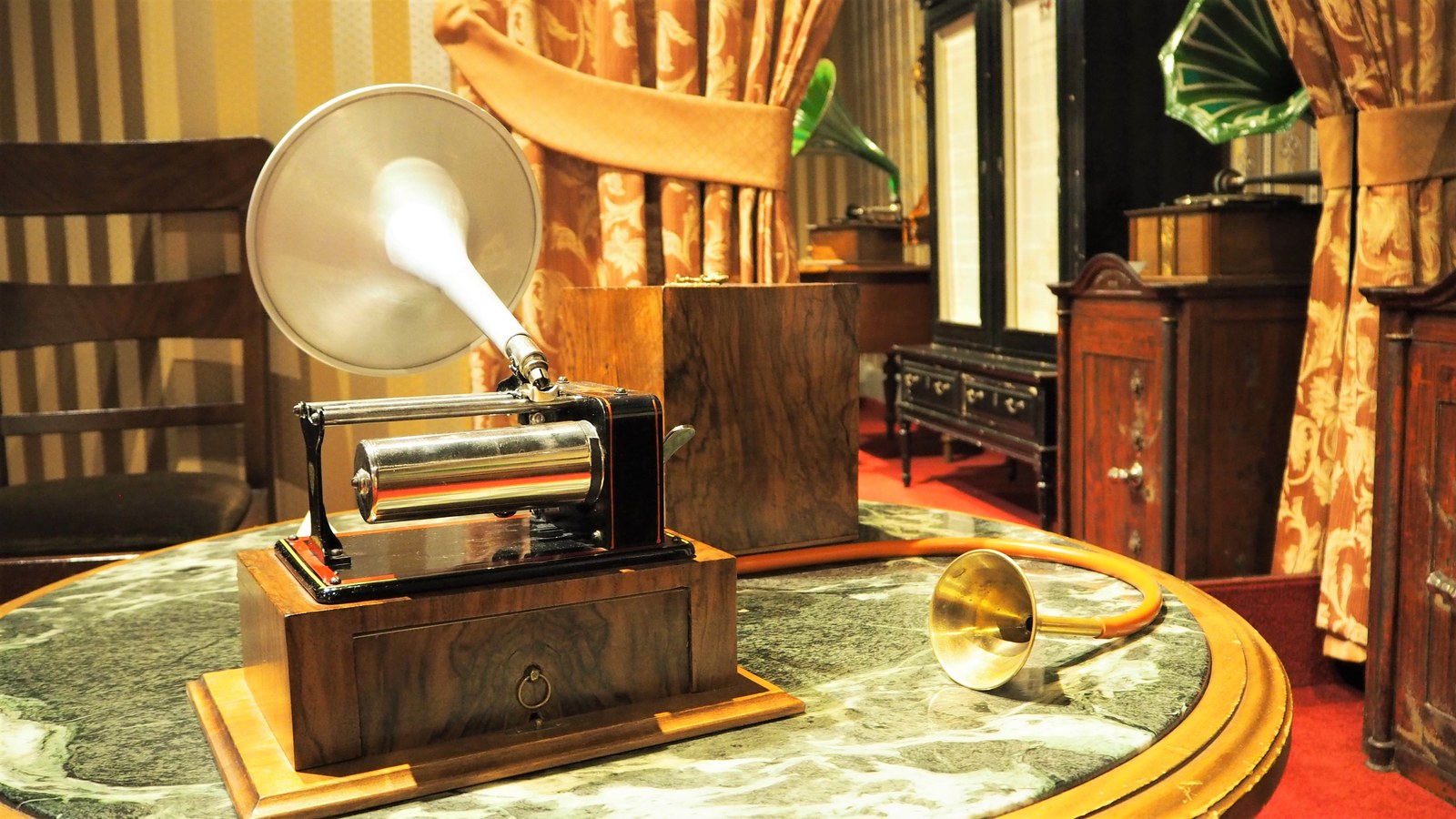
Museum of Phonography in Niepołomice
ul. Zamkowa 4, 32-005 Niepołomice
Museum of Phonography in Niepołomice, Małopolska - gramophones and radios in eight period rooms near Krakow. Tickets 20/15 PLN, visits by …
 Culture
Seweryn Udziela Ethnographic Museum
pl. Wolnica 1, Kraków
The Ethnographic Museum Krakow shows Polish folk culture in Kazimierz's old town hall. Hours Tue-Sun 10-18, tickets PLN 20/15, free on …
 Science
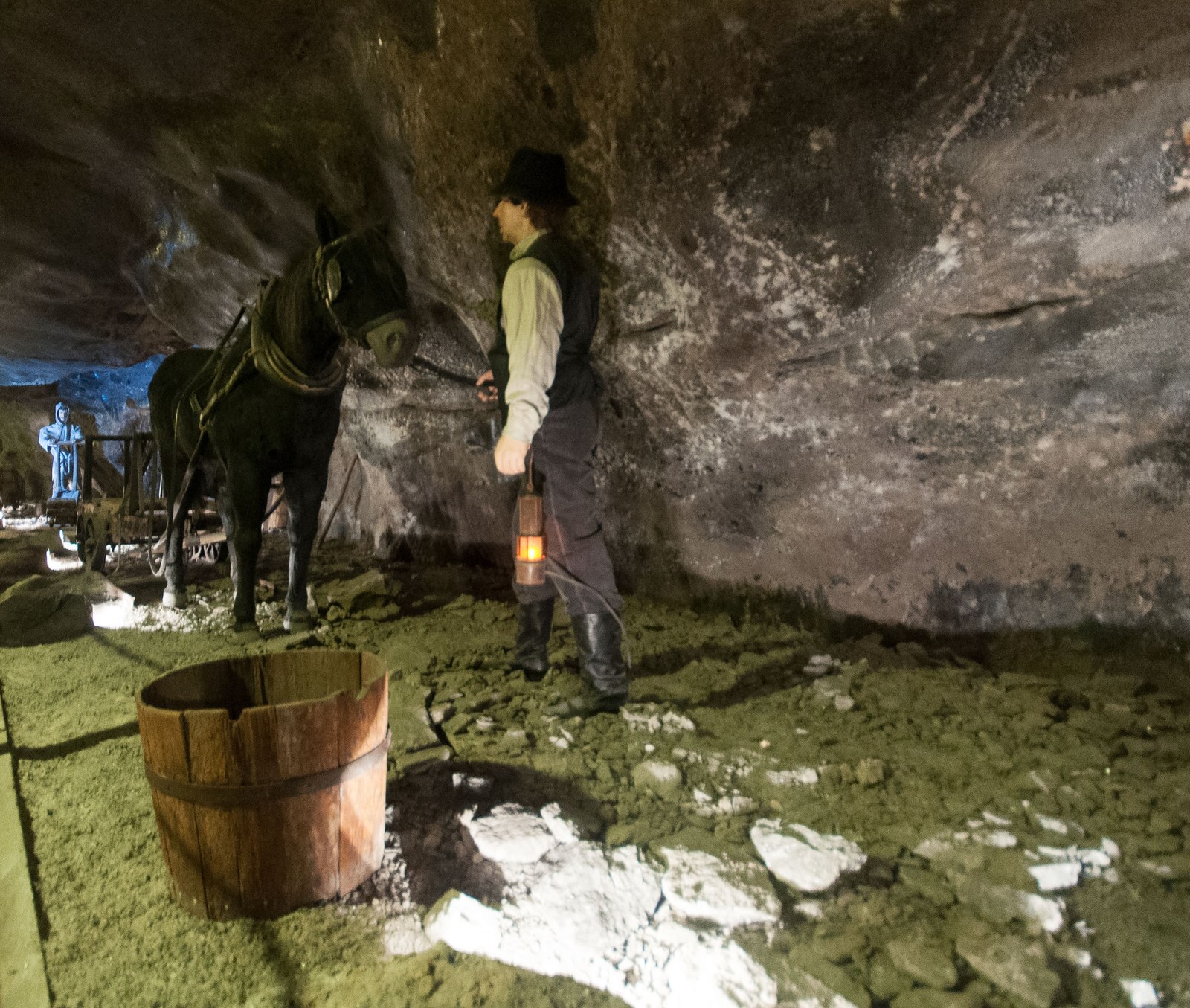
Wieliczka Salt Mine
ul. Daniłowicza 10, 32-020 Wieliczka
Wieliczka Salt Mine near Krakow: Tourist Route vs Miners' Route, ticket prices, opening hours, and how to get there by train from Krakow.