State Museum at Majdanek
Państwowe Muzeum na Majdanku
3.7 km from the Old Town Market Square in Lublin See museums near the Old Town Market Square in Lublin
- Wheelchair: Yes
Location
What to expect
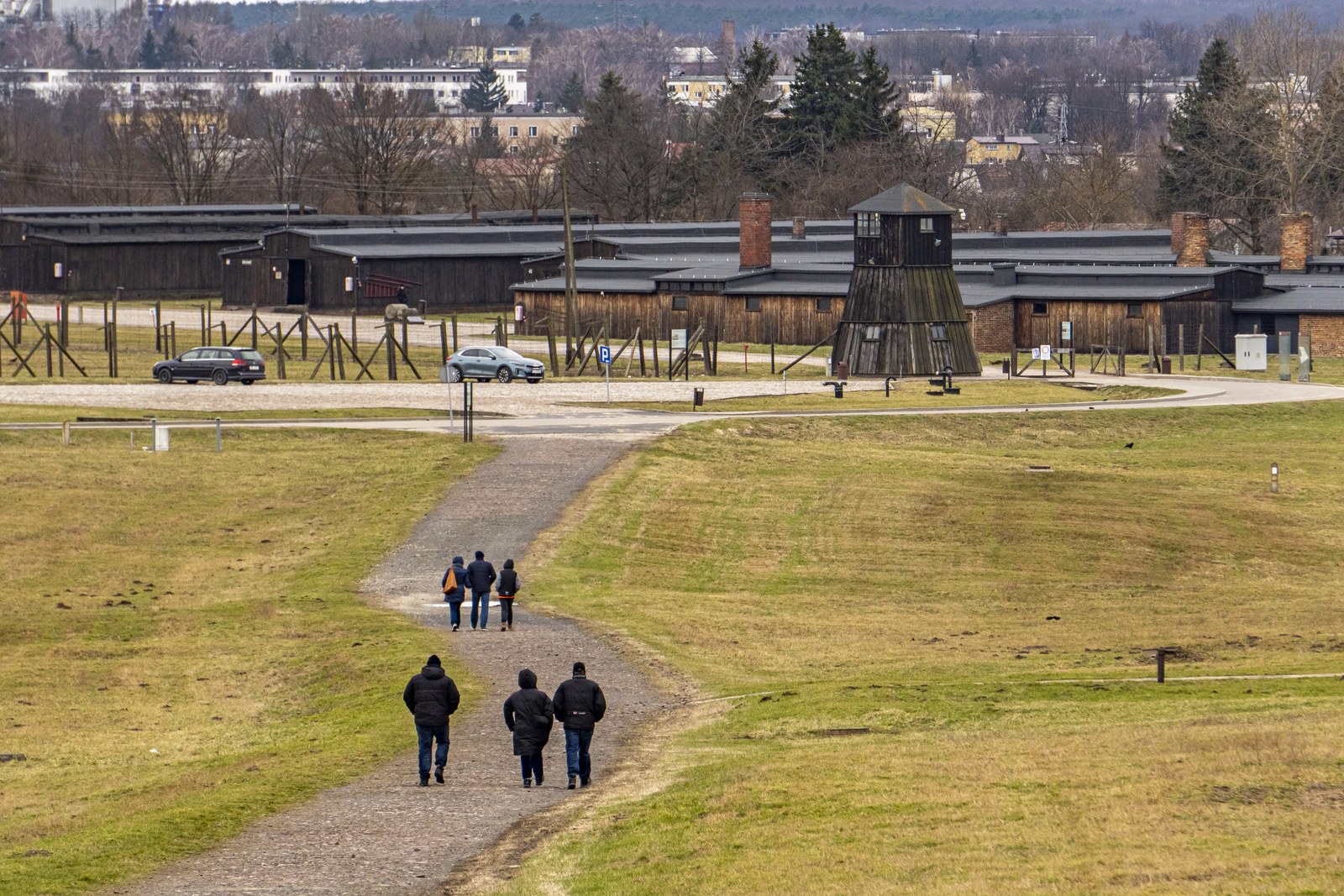
The Lublin concentration camp memorial is not a building you walk into. It is the ground itself, inside the city limits of Lublin: part of the site of KL Lublin, a German Nazi concentration and extermination camp. Current research puts the number of people deported here at about 130 thousand; close to 80 thousand of them died, above all Jews, Poles, Belarusians, Ukrainians and Russians.
Seventy structures the Germans put up here between 1941 and 1944 are still standing, among them prisoner barracks, the SS garrison quarters, the bath houses, the gas chamber bunker and the crematorium. The museum was founded on 11 November 1944, while the war was still being fought - the oldest museum in the world commemorating the victims of the Second World War.
Visitors who have seen more than one such site say Majdanek is the harder one, because so little of it had to be reconstructed. A historical trail titled Konzentrationslager Lublin 1941-1944 crosses the grounds, its panels in Polish, English and Hebrew. English is readable throughout the site.
Around a dozen buildings are open. Barracks 41 and 42 held the men’s and women’s bath houses. Next to them stands the gas chamber bunker where the camp SS murdered Jews and prisoners of other nationalities in 1942 and 1943. Barrack 52 holds the shoes of victims of Operation Reinhardt, found here in the summer of 1944, and barrack 55 carries an exhibition on that operation.
The main historical exhibition, The Prisoners of Majdanek in barrack 62, follows the stages of camp life through the fates of 33 named people. Barracks 14 and 15 show living conditions, and barrack 44 covers Lublin under German occupation. The crematorium, set on fire by the retreating SS on 22 July 1944, has been partly reconstructed, and the furnaces and the autopsy table are still inside.
The Monument to Struggle and Martyrdom by Wiktor Tołkin and Janusz Dembek, unveiled on 21 September 1969, runs from the Gate-Monument at the entrance to the Mausoleum holding the ashes of the murdered, along the Road of Homage and Remembrance. Nearby stands the Column of Three Eagles, raised by prisoners in the spring of 1943. Flowers and candles belong at the Mausoleum only; open fire and smoking, including e-cigarettes, are forbidden everywhere else on the grounds.
The museum advises against visits by anyone under 14 and will not guide children below the seventh grade. Take that literally. This is not a site to fit into a spare hour between two other stops. If you have come to Lublin for the history of the German occupation and the Holocaust, start here and leave the rest of the day open.
Tips
- Allow three hours. That is the museum’s own figure for a self-guided visit. The full route is close to 5 kilometres, almost all of it outdoors on gravel, concrete and wood, so check the forecast and wear proper shoes. Visitors report roughly 15 minutes on foot from the Visitor Service Centre to barrack 62 and another 20 to the crematorium.
- Start at the Visitor Service Centre. Maps, a site plan and route advice are there, along with the bookshop and a place to sit after the journey. The museum’s free app then carries you through the site with an interactive map, survivor accounts and archival photographs, and it works offline.
- Everything is self-guided by default. Admission to the grounds and to every exhibition is free, no ticket and no booking are needed, and the signage does the work. You pay only for a guide and for parking.
- Guided tours in English need booking. A tour for up to 10 people costs 300 PLN in a foreign language and 150 PLN in Polish. For up to 30 people it is 500 PLN and 300 PLN. Tours run about 2.5 hours and are available in English, German, Spanish, Russian, Belarusian and Polish; book at least a week ahead. Walk-up tours run on Saturdays and Sundays at 11:00 and 14:15 - but these are Polish-language only (25 PLN, 20 PLN reduced).
- Check the calendar before you travel. Besides Mondays the museum is closed on 1 and 6 January, at Easter, on Corpus Christi, on 11 November and from 24 to 31 December. On 1 November only the car park and the passage to the municipal cemetery are open; every building and exhibition is shut that day.
- The Gate-Monument is under conservation. Work on it is scheduled to finish in June 2028 and the museum warns that the visiting route may change from time to time while it lasts. Confirm the current route at the Visitor Service Centre.
- There is no cloakroom and no luggage store. Leave bags before you come; the nearest left-luggage points are at Lublin’s main railway station, the bus station and the tourist information offices.
- Accessibility is partial. The Visitor Service Centre and barrack 62 with the main exhibition are wheelchair accessible, and ramps serve barracks 43, 44 and 52. Portable rails can be provided for the other buildings if you give at least three days’ notice. The crematorium, the Gate-Monument and the Mausoleum are not accessible; wheelchairs can be borrowed free of charge, and there is no Polish Sign Language interpreter on site.
Getting there
Public transport: the stop is called Majdanek and it is the closest one to the entrance gate; from the centre of Lublin the ride takes a little over ten minutes. Trolleybus 158, running from Zana ZUS to Felin, calls there after passing Ogród Saski and Al. Racławickie.
By car: the address is ul. Droga Męczenników Majdanka 67, or 51°13'31.0"N, 22°36'22.3"E. You may drive onto the grounds, where there is a large car park. The one-off charge is 10 PLN for a car, 25 PLN for a minibus, 60 PLN for a coach and 5 PLN for a motorcycle. Since 7 April 2026 the side entrances from ul. Cmentarna and ul. Tetmajera have been closed. Marked bays for visitors with disabilities are at the entrance gate, behind the Visitor Service Centre, in front of the administration building and at the Mausoleum.
By bicycle: racks on the museum grounds are free to use.
Nearby
The city-centre half of the same history is the Pod Zegarem Martyrdom Museum , the former Gestapo remand cells at Uniwersytecka 1 - twelve cells in the basement, about an hour. The Brama Grodzka - Teatr NN Centre covers the community that Operation Reinhardt destroyed: its exhibition Lublin. Memory of the Place is seen on a 75-minute guided visit and makes the Jewish city concrete. Further south, the Museum and Memorial Site in Bełżec is a branch of the Majdanek museum and marks an Operation Reinhardt death camp; some of the shoes in barrack 52 came from there.
Temporary exhibitions here
KL Lublin 1944. Epilogue
from 16 May 2026
A dozen carefully selected photographs documenting the grounds of the former Majdanek concentration camp in the first months after its liberation in July 1944.
Voices That Never Fall Silent
23 August 2026 - 30 April 2027
Eight life stories of former Majdanek prisoners told through family photographs, documents, typewritten memoirs and video testimonies.
Nearby museums
Pod Zegarem Martyrdom Museum
ul. Uniwersytecka 1, 20-029 Lublin
Under the Clock Museum in Lublin: the former Gestapo detention cellar at Uniwersytecka 1, with 12 cells. Open Tue-Sat 10:00-17:00, tickets …
 Culture
Grodzka Gate Lublin - NN Theatre Centre museum
ul. Grodzka 21, 20-112 Lublin
The Grodzka Gate in Lublin holds a permanent exhibition on the vanished Jewish town; guided visits last 75 minutes and cost 35 PLN full …
 History
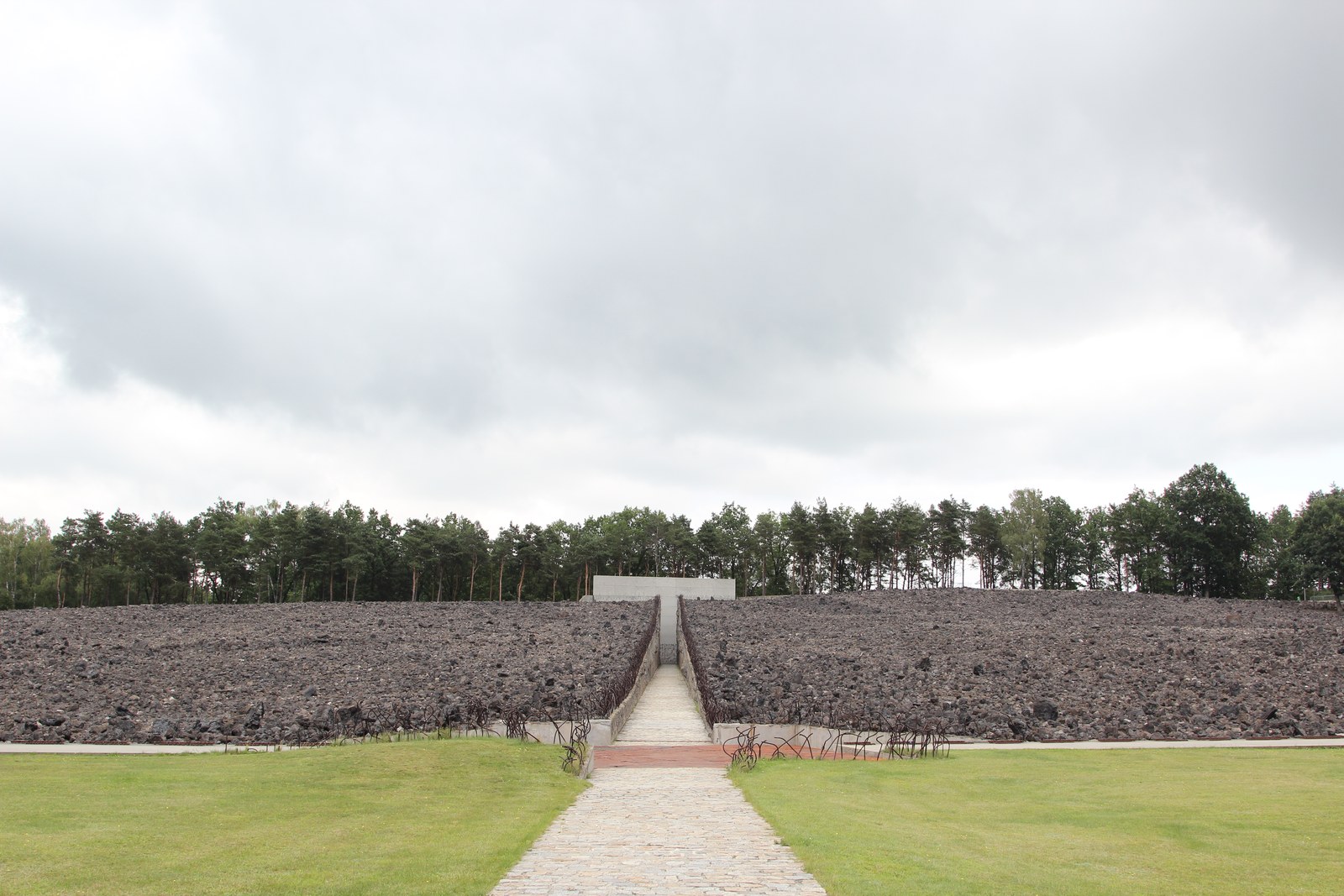
Museum and Memorial Site in Bełżec
ul. Ofiar Obozu Zagłady 4, 22-670 Bełżec
Memorial on the site of the German Nazi extermination camp at Bełżec, 1942-1943. Free admission, permanent exhibition, opening hours and …