Polish Aviation Museum
Muzeum Lotnictwa Polskiego
4.1 km from Rynek Główny in Krakow See museums near Rynek Główny in Krakow
- Wheelchair: Yes
- Elevator: Yes
Location
What to expect
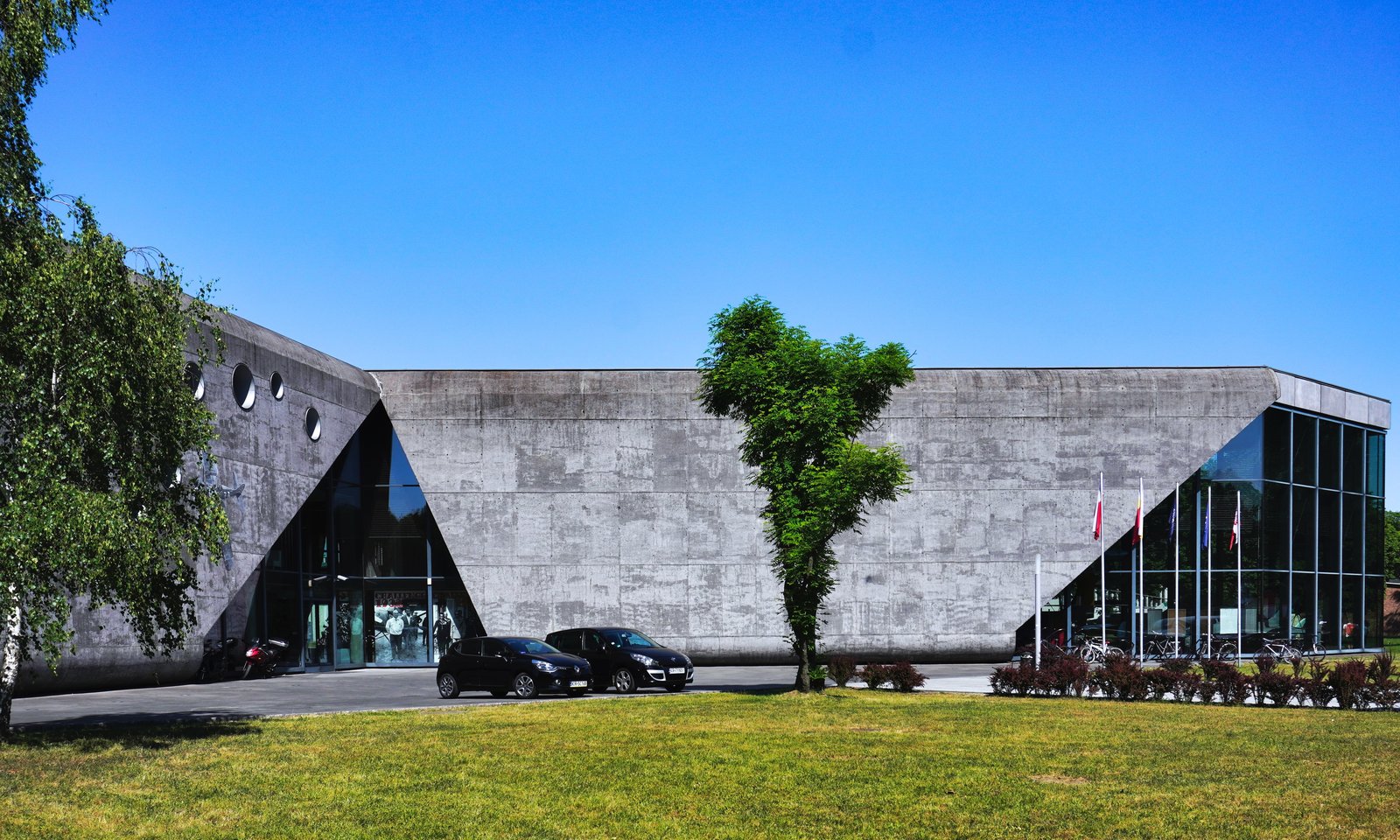
The best thing about the Polish Aviation Museum Krakow was not built for a museum. It is 33 hectares of the Rakowice-Czyżyny airfield, laid out by Austria-Hungary in 1912 and closed to the military in 1963, taxiway and apron still in place. Eleven permanent displays are spread across that ground, in halls, in pre-war hangars and in the open air. Plan on walking an airfield rather than touring a building.
Inside the main hall - opened in 2010, shaped like a propeller when seen from above - gliders hang from the ceiling over helicopters and home-built aircraft. One of them was assembled in its designer’s flat. Outside, the Cold War begins: a line of MiGs and their Polish-built Lim cousins, a Swedish Draken, a Canadian Starfighter and an American Phantom II. In a former garage of the 2nd Air Regiment sit the wrecks of “Magazyny Historii”: aircraft from Berlin’s Deutsche Luftfahrtsammlung, displayed exactly as they were found after the war on a railway siding in Czarnków. The Deutsches Technikmuseum in Berlin still regards them as its property.
Two aircraft deserve a line of their own. The PZL P.11c is the last surviving example in the world of the fighter Poland flew into September 1939. The Mi-8S known as the papal helicopter carried John Paul II on his 1983 pilgrimage. It is the one machine here you can step inside, in two half-hour slots a day and only from April to the end of October.
This rewards adults who like machines and children of roughly five and up who do not mind walking. Almost nothing can be touched or boarded, and the distances between halls are real. If what you want is buttons and experiments, the answer is over the fence at Cogiteon , the regional science centre on the edge of the same airfield.
The newest hall is the strongest. “Z wiatrem i pod wiatr - lotnictwo cywilne” (With and Against the Wind - Civil Aviation) opened in August 2025 in the rebuilt Hangar 5 and covers more than 3,000 square metres. In May 2026 it won the Sybilla prize for the best new permanent exhibition in Poland. It holds the flight simulators and the gliders that made Polish aviation’s early reputation.
Tips
- Labels are patchy in English; the audio guide is not. The audio guide is a QR card you buy at the desk or in the shop for PLN 25 (PLN 50 with headphones), scan with your own phone and keep after you leave. It comes in Polish, English and Ukrainian, and it is the difference between a walk past aircraft and a visit. Guided tours in English cost PLN 280 for the group.
- Allow three hours and choose a route. The museum publishes a suggested time for each display separately; added up they come to over four hours. Visitors report two to three. Three hours and a deliberate decision to skip something is the honest plan - aviation archaeology and the crop-spraying display, 10-15 minutes each, go first.
- The papal helicopter opens twice a day. The Mi-8S interior is open Tuesday to Sunday, 10:30-11:00 and 14:30-15:00, and only from 2 April to the end of October. In winter you see it from outside, to keep damp out of the cabin.
- The desk closes 45 minutes before the museum. That means last entry at 15:15 from November to February, 16:15 in March to May and October, and 17:15 from June to September. A 15:30 arrival in January buys you nothing.
- Come on a Thursday, not on free Tuesday. Entry is free every Tuesday, with no published cap and no timed slots, which is exactly as busy as it sounds. Thursday is the museum’s own quiet day, recommended for visitors with additional needs and the calmest option for everyone else.
- There is no cafe. Thirty-three hectares, vending machines, and that is the whole catering offer. Eat before you come or bring food, especially with children.
- Part of the outdoor display is a building site. Work began on 3 September 2026 on roofed shelters for the Cold War jets: 22 stands and 4,112 square metres of roof eventually. The first stand and the groundwork for four more are due by the end of 2026. The museum publishes no closure dates for it, and single halls do get shut at a few days’ notice, so check its news page the day before.
- The website gives two different closing times. The main opening-hours table reads 9:00-18:00 for September while the “open today” banner and the site footer read 9:00-17:00. If you are arriving in the afternoon, confirm on +48 12 642 87 00, extension 0.
Getting there
Tram: the stop is called “Muzeum Lotnictwa Polskiego”, on ul. Markowskiego, served by lines 4, 5, 9, 10, 52 and 75. From the city centre, counting from Rondo Mogilskie, the ride takes a little over ten minutes. The entrance is off al. Jana Pawła II, past ul. Gnysia.
Bus: lines 124 and 424 stop at Ugorek on ul. Ułanów, 650 metres away on foot. The TAURON Arena Krakow Wieczysta stop is 1.4 km out and is served by lines 124, 128, 424 and the 664 night bus.
By car: free visitor parking on ul. Markowskiego and ul. Gnysia, entered from al. Jana Pawła II. Drivers with a disability badge may pull up at the main building; reserve the space with museum security on +48 669 706 581.
By bike: racks stand in front of the main building and the ride along al. Jana Pawła II is flat the whole way.
Nearby
The Museum of Engineering and Technology runs its Hangar Czyżyny branch in the old hangars on the adjoining plot - separate ticket, separate hours, two minutes’ walk. Cogiteon , the regional science centre, sits on the far edge of the same airfield. It is the obvious second half of a day with children, since it supplies the hands-on element this museum deliberately does not. Riding the tram back towards the centre, get off near ul. Rakowicka for the MuFo Museum of Photography , which took over another set of former military buildings.
Background
The airfield came first. Austria-Hungary laid it out in 1912; by 1917 it was a stop on the first scheduled airmail route in Europe, Vienna to Kyiv and Odesa, and Polish soldiers took it over on 31 October 1918. The 2nd Air Regiment formed here in 1921, the civil air station opened in 1923, and for the interwar years Krakow had the second-largest airport in Poland. The air force left for Balice in 1955 and the field closed in 1963 - the same year the museum began to be organised on it. The complex entered Poland’s monuments register in 2006.
The institution started as an aviation equipment display run by the Krakow flying club, became the Museum of Aviation in 1967 and a Małopolska regional cultural institution after the local-government reform of 1998. For its first half-century the collection lived in four unheated hangars. The present main building - three storeys, propeller-shaped from the air, by Justus Pysall, Peter Ruge and Bartłomiej Kisielewski - opened on 18 September 2010 and cost about PLN 45.8 million.
Nearby museums
 Science
Museum of Engineering and Technology
ul. Świętego Wawrzyńca 15, 31-060 Kraków
Museum of Engineering and Technology Krakow in a historic tram depot. Hours Tue-Sun 10-18, tickets PLN 35/28, free on Tuesdays.
 Art
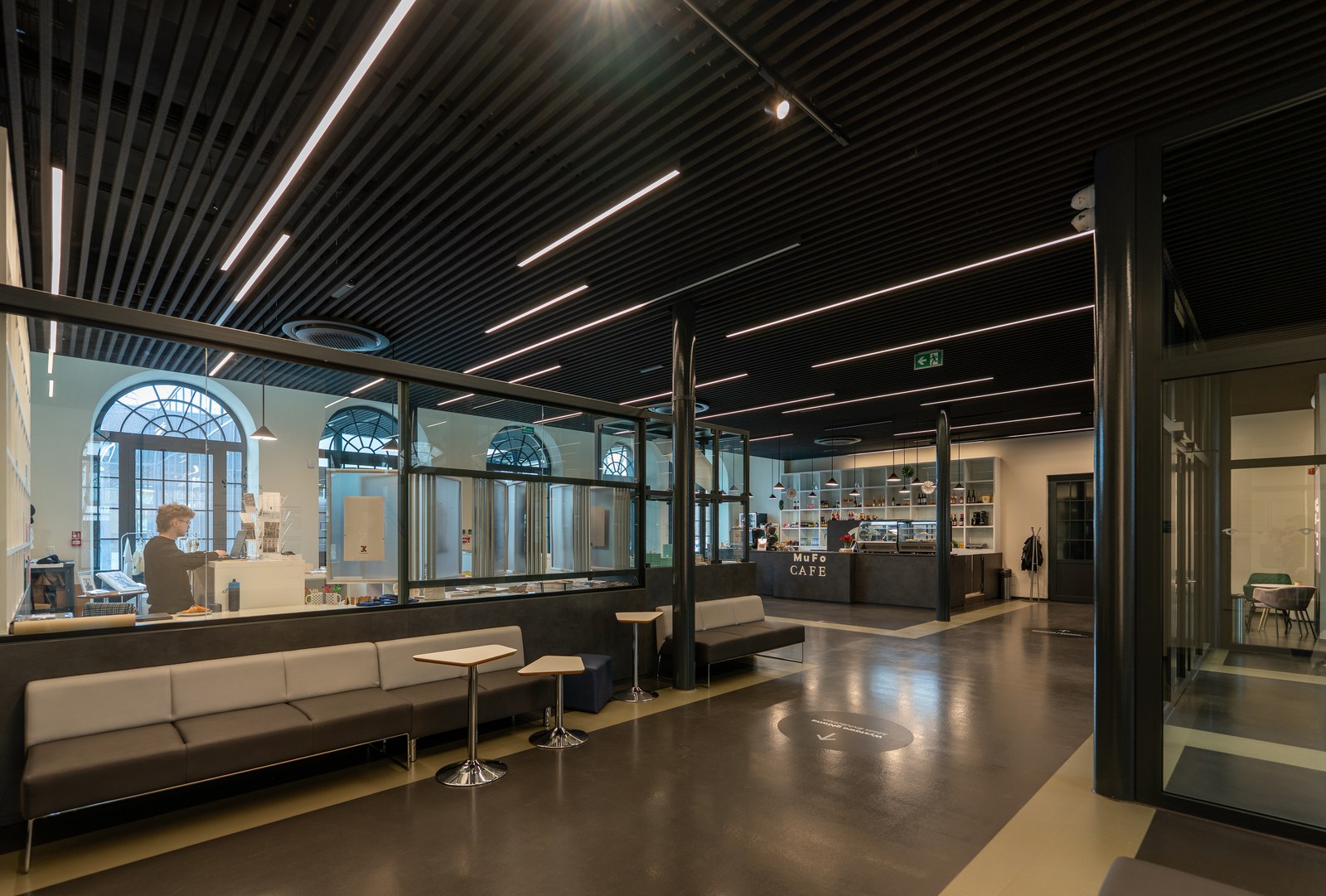
ArtMuFo Rakowicka (Museum of Photography in Krakow)
ul. Rakowicka 22A, 31-510 Kraków
MuFo Rakowicka, the main site of the Museum of Photography in Krakow at ul. Rakowicka 22A - hours (Tue-Sun), tickets 30/20 PLN, free …
 History
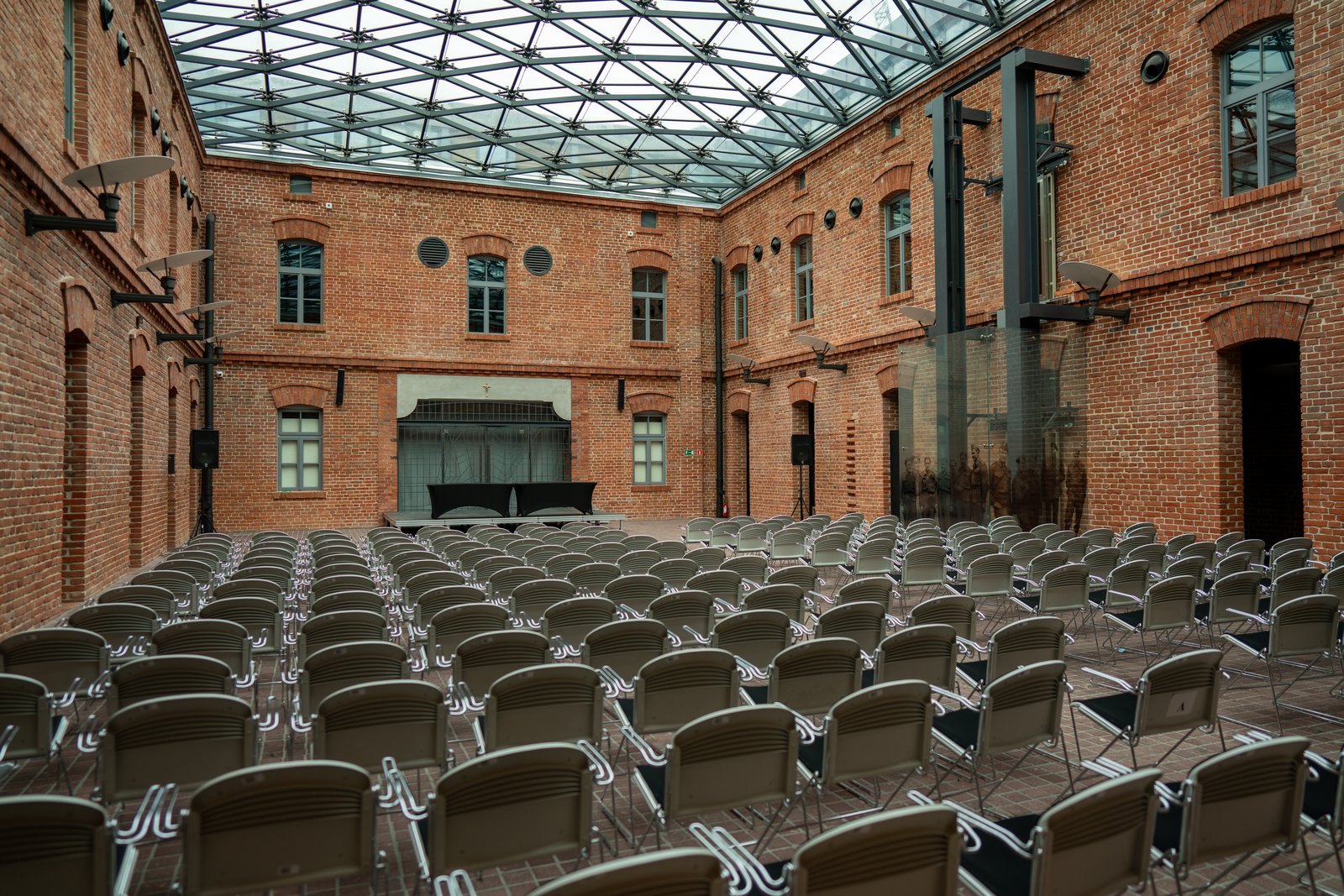
Home Army Museum
ul. Wita Stwosza 12, 31-511 Kraków
Home Army Museum Krakow - Poland's WWII underground state. Hours Tue-Sun 10:00-17:00, tickets 25/15 PLN, free on Sundays.