Historical and Missionary Museum of the Congregation of the Mission in Krakow
Muzeum Historyczno-Misyjne Zgromadzenia Księży Misjonarzy w Krakowie
884 m from Rynek Główny in Krakow See museums near Rynek Główny in Krakow
Location
What to expect
Walk 500 metres downhill from Wawel cathedral to the mission history museum on Stradom and you reach a painting that used to hang inside the cathedral. Anna Jagiellonka gave this portrait of King Stefan Batory to his funerary chapel in the cathedral after he died in 1586. Marcin Kober, court painter to Batory and later to Emperor Rudolf II, painted it in 1583.
The portrait has belonged to the Vincentian missionaries since the late 18th century, first in the Castle Seminary and then here on Stradom. The Melchior Sobek epitaph beside it came the same way, out of the cathedral’s Holy Trinity chapel.
The permanent display has three parts. The painting room holds that portrait and three early-Renaissance epitaphs, among them Jan Sakran’s of around 1527 - he was several times rector of the Kraków Academy and confessor to three Polish kings. The goldsmithing room is chalices, patens, monstrances and reliquaries spanning several centuries.
The missionary room is what most people come for. Forty priests of the Polish province served in Shuntehfu and Wenchow in China between 1929 and 1948, shipping objects home as they went. The best known of them is a heavily gilded and carved 19th-century mandarin’s bed, which Wikipedia and the city’s own tourism portal both call the only one in Poland. Court ladies’ tiny bound-foot shoes stand next to it.
The African material is later and separate: Madagascar from 1970, Congo from 1976. It runs to masks, spears, tools and carved figures.
Come for the subject, not for the spectacle. Half an hour covers it, there is nothing here for children, and if you wanted East Asian art without the mission history, Manggha across the river is the better ticket. Radio Kraków called this one of the least known museums in the city in 2017, and with eight opening hours a week that is hard to argue with.
Tips
- Eight hours a week - check the clock before you walk over. Open Monday to Wednesday 14:00-16:00 and Sunday 15:00-17:00, closed Thursday to Saturday. On a weekday there is no point arriving after 15:30.
- English on site: assume none. The museum publishes nothing about English labels, audio guides or foreign-language tours, and its own website exists only in Polish with a machine-translation widget. Read up before you go, or you will be looking at objects without their story.
- Monday afternoon is when this place earns its place. The Archdiocesan Museum , the Ethnographic Museum and Manggha are all shut on Mondays. This one is open, which makes it the sensible anchor for a Monday afternoon below Wawel.
- The summer break removes about ten weeks. The museum closes for the holidays and on church and public holidays. The city tourism portal gives the visiting seasons as 1 January - 25 June and 1 September - 23 December. The museum itself says only “during the holidays”, so phone before a July or August visit.
- Phone the mobile, not the switchboard. The contact page lists extension 239 on the religious house’s landline and a mobile, +48 604 524 899. The mobile is answered faster. Groups must announce themselves in advance to agree the details of a visit.
- Our data says entry is free, but the museum publishes no price list. Neither the museum nor the city tourism sites state what entry costs - confirm when you ring. The same call settles whether you need to arrange anything.
- If the door is locked, do not walk back empty-handed. The Krakow Pinball Museum is 150 metres up the same street at Stradomska 15 and runs until at least 21:00 every day. A completely different museum, one address along.
- Accessibility: nothing published. The museum publishes no accessibility information - call before visiting. It occupies a 17th-century religious house, so ask about stairs directly.
Getting there
On foot: about ten minutes from the Main Market Square, down ul. Grodzka and on along ul. Stradomska towards Wawel Hill. Three minutes from the foot of Wawel. Fifteen from the Old Synagogue in Kazimierz.
Tram: the Stradom and Wawel stops are on ul. Stradomska itself, on the run between the Old Town and Kazimierz. Either one leaves you a few minutes from the gate at number 4.
Bus: services along Stradomska use the same stops as the trams.
By car: the restricted traffic zone around Wawel, plus a narrow and fully parked Stradomska, rule out driving to the door. The nearest practical option is the car park at plac Na Groblach, then a few minutes on foot.
Nearby
Five minutes uphill on ul. Kanonicza, the Archdiocesan Museum covers the sacred art of old Kraków on a larger scale and, more usefully, is open on all three days this one is shut (Thursday to Saturday). Above it stands Wawel Royal Castle , where the Batory portrait and the Sobek epitaph came from. Seeing both in one day completes the story of those objects.
In Kazimierz, on plac Wolnica, the Ethnographic Museum Krakow does material culture at a scale a small monastic museum cannot match, and makes a good counterweight to the missionary room.
Background
The Vincentians settled on Stradom after 1682, when they took charge of the Castle Seminary in Kraków. The house library has been collecting since 1686 and still is. The foundation stone of the church next door, the Conversion of St Paul the Apostle, was laid in 1693. Construction to Kacper Bażanka’s design ran from 1719 to 1728, and the church was consecrated in 1732.
The museum is far younger than the house around it. Objects began arriving in the late 1920s with the letters and parcels from China - the visitor, Fr Józef Kryska CM, sent the first group out on 3 November 1929. By the 1930s there were enough of them to set up a mission museum. The Second World War closed it, and after the war there was no room to reopen.
The return took half a century. The display opened again in 1995, once the library had moved out. This time the missionary objects were joined by the heirlooms of the religious house itself, which is why the epitaphs and a royal portrait sit alongside a Chinese bed. The library had already grown with books from the Vincentian houses in Lwów, Tarnów and Zakopane; the Kleparz collection was added in 1995.
Nearby museums
 History
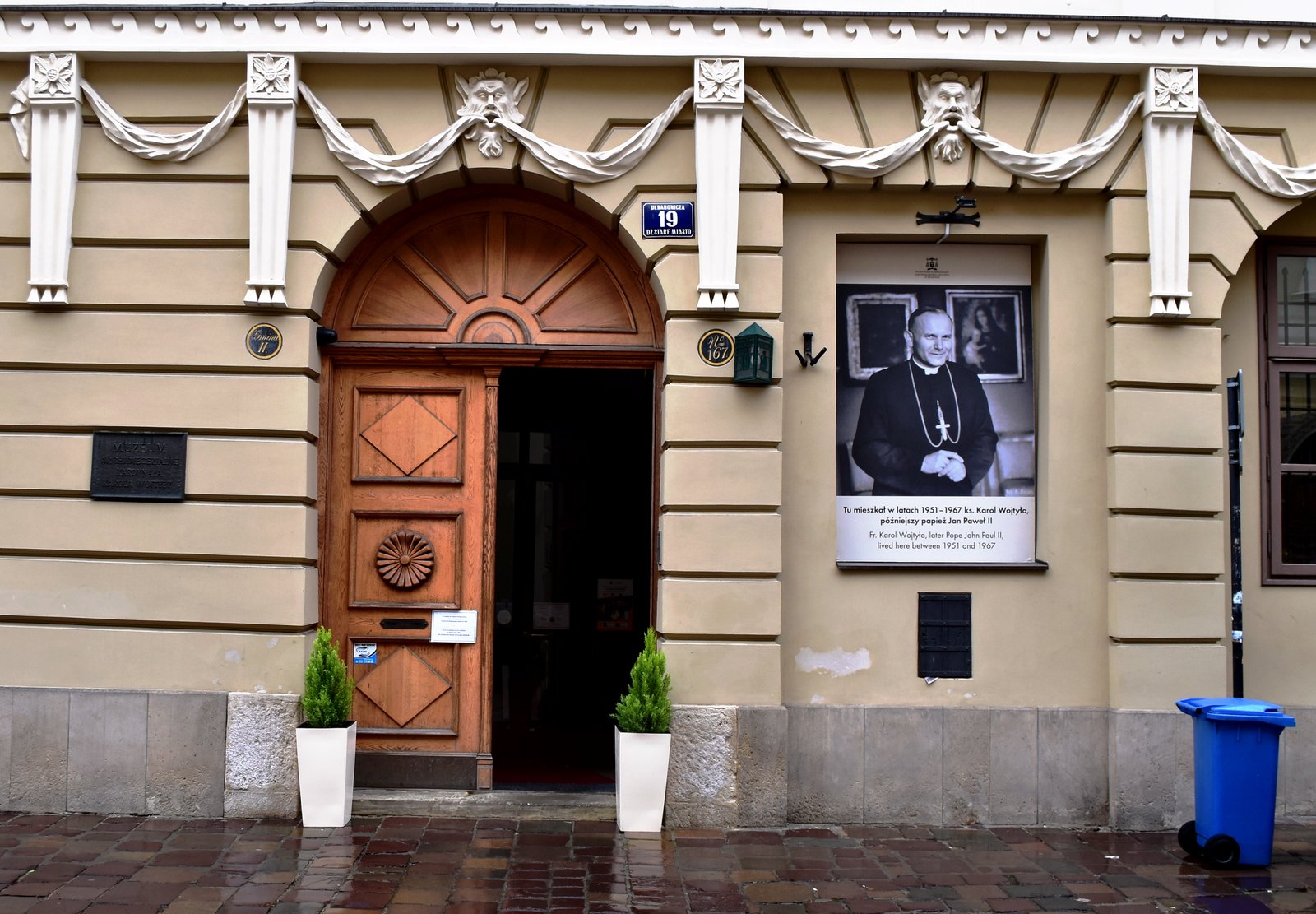
Archdiocesan Museum in Krakow
ul. Kanonicza 19-21, 31-002 Kraków
Archdiocesan Museum Krakow on Kanonicza Street - sacred art and Karol Wojtyla's former home. Tickets 10/6 PLN, Tue-Sun 10:00-17:00.
 History
Wawel Royal Castle
Wawel 5, 31-001 Kraków
Wawel Royal Castle - State Rooms, Crown Treasury and Armoury. Ticket prices per route, free Mondays, opening hours and how to get there.
 Culture
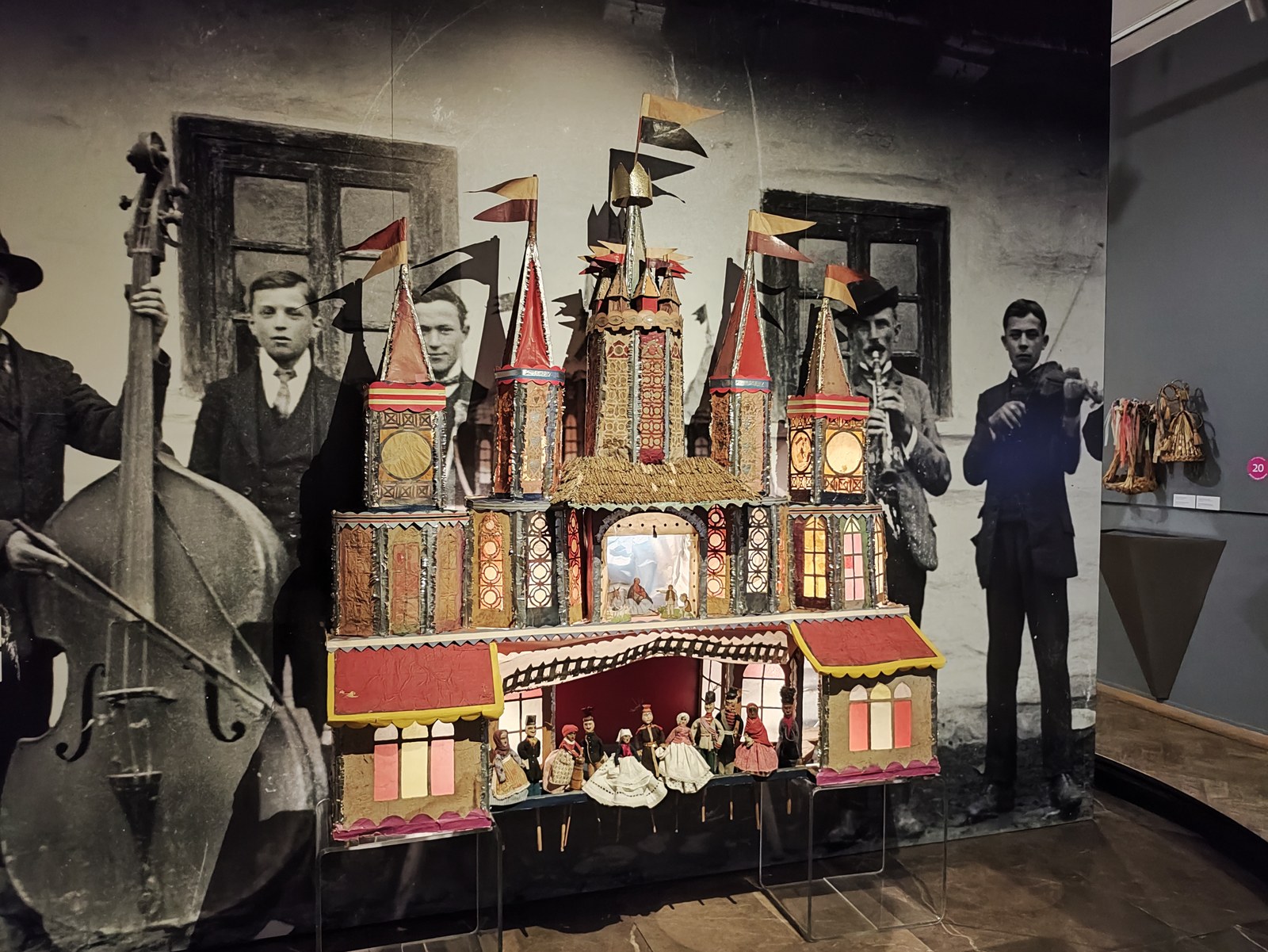
Seweryn Udziela Ethnographic Museum
pl. Wolnica 1, Kraków
The Ethnographic Museum Krakow shows Polish folk culture in Kazimierz's old town hall. Hours Tue-Sun 10-18, tickets PLN 20/15, free on …