Krakow Glassworks
Krakowska Huta Szkła
2.3 km from Rynek Główny in Krakow See museums near Rynek Główny in Krakow
- Wheelchair: No
Location
What to expect
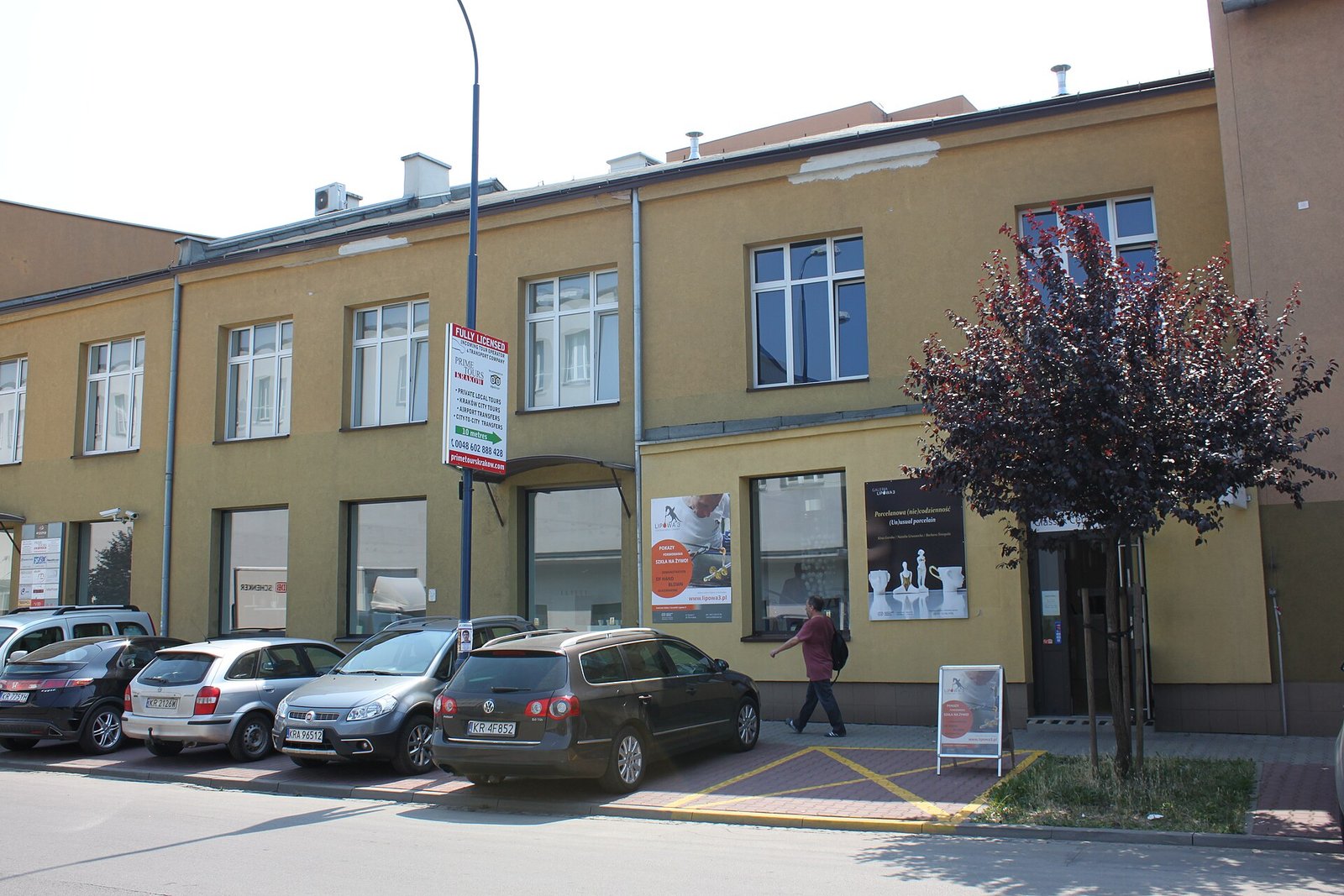
If Schindler’s Factory is on your list for a weekday, the building across ul. Lipowa deserves the hour after it. The Krakow Glassworks - until 2021 the Glass and Ceramics Centre Lipowa 3 (TripAdvisor still lists it as the Glass and Ceramics Centre) - keeps a furnace running in an old factory hall. Glassworkers shape vessels by hand in front of you, and a compact museum upstairs tells the story of the factory that stood here from 1931.
The demonstration is the reason to come: molten glass gathered on a blowpipe and blown into a vase or carafe, which In Your Pocket times at 15 to 30 minutes. A Polish culture blogger insists this is ordinary production, not a show put on for tourists: the finished pieces cool in an annealing oven and then go on sale next door. TripAdvisor reviewers from 2018 and 2019 tried glassblowing themselves; the venue’s site mentions that chance but gives no price or timetable.
Upstairs, the permanent exhibition Glass in Krakow. Industry and Art. 1931-1998 opens with old glassmaking tools and glassware from around 1900. Linger over the last part: vividly coloured art glass designed and blown here between 1969 and 1998 by the team around Jerzy Słuczan-Orkusz, signed with a dragon blowing a glass bubble. Look for the neodymium glass, which reads purple in daylight and blue under lamps.
Signs are in Polish and English, according to In Your Pocket and a 2019 TripAdvisor review. The glassworkers are another matter: a 2017 reviewer found they spoke no English and enjoyed the demonstration anyway. Best for families with children and for anyone drawn to mid-century design; skip it if your only free days in Krakow are Saturday and Sunday, when the glassworks is closed. Allow an hour for the demonstration, the exhibition and the shop.
Tips
- Weekdays, before 15:00. Doors open Monday to Friday from 10:00 to 16:00, and the last entry to a demonstration is at 15:00. Individual visitors do not need to book.
- Trust the Polish price list. The English “Sightseeing” page still shows older, lower prices. The Polish visit page is the current one: 30 PLN for demonstration plus exhibition, 28 PLN reduced for pupils, students and pensioners, 26 PLN per person on a 2+2 family ticket.
- Pay for the furnace. The exhibition alone costs 12 PLN. It is only worth choosing when no demonstration is running, since the furnace is what makes the visit.
- Winter is uncertain. There were no demonstrations in January and February 2026, and the whole venue closed from 24 December 2025 to 7 January 2026. Check the news page on the website before a winter visit.
- Pack a UV torch. The Polish family portal Trasa dla bobasa suggests one for the exhibition: under ultraviolet light the uranium glass among the historic pieces gives itself away.
- Buy your piece two days later. Whatever you watch being made reaches the shop only after two days of annealing. TripAdvisor reviewers call the shop’s prices very reasonable; the website does not say whether cards are accepted.
- Stairs, and ask about the rules. The operator’s accessibility statement says stairs lead into the buildings and they are not adapted for wheelchairs. A family portal rates it easy with a pushchair, yet the website says nothing about a lift, so call first. The “Regulamin” (visiting rules) page holds only placeholder text; ask at the desk before taking photos.
Getting there
Tram: lines 3, 8, 13, 19 or 24 to Plac Bohaterów Getta, about 440 m as the crow flies from the entrance, or lines 9, 20 or 50 to the ul. Zabłocie stop. Both routes are the ones the glassworks itself gives.
Train: the Kraków Zabłocie stop, also named by the glassworks. Wikipedia places it on railway line 91, close to ul. Lipowa.
On foot: the Main Market Square is 2.3 km away as the crow flies. For a one-hour visit the tram is the sensible choice both ways.
By car: the operator’s accessibility statement mentions parking on the premises, with no bays marked for disabled drivers. The website does not say whether visitors may use it.
Nearby
Schindler’s Factory is across the street, less than 100 m away as the crow flies. Both were factories of industrial Zabłocie, and after an exhibition on Krakow under German occupation an hour at the furnace is a lighter counterweight - on a weekday.
The MOCAK Museum of Contemporary Art shares the Lipowa 4 complex with Schindler’s Factory, 110 m from the glassworks as the crow flies. Going from 1970s coloured glass to recent contemporary art makes for a sharp contrast.
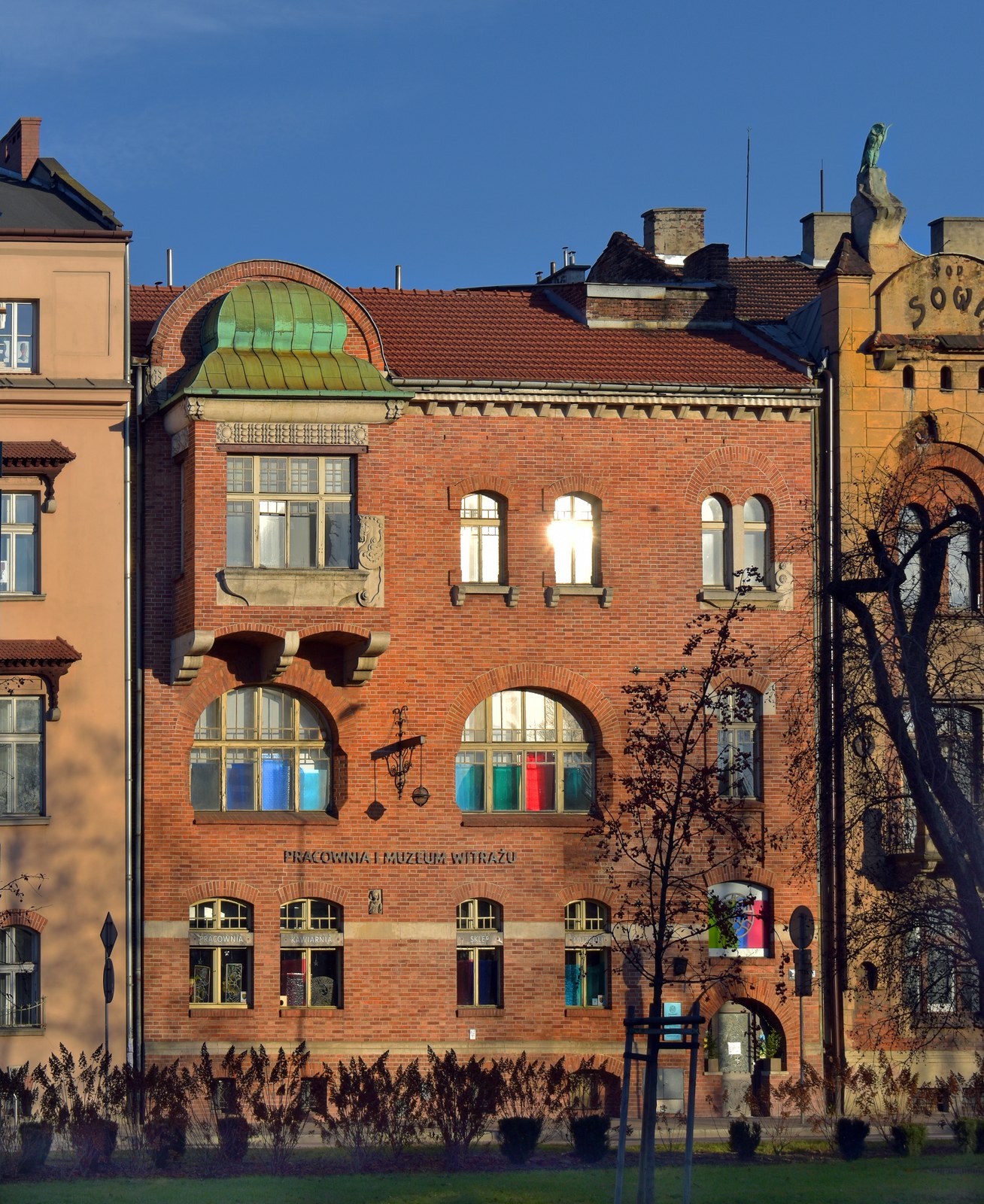
Another Krakow glass studio that lets visitors in is the Stained Glass Museum on al. Krasińskiego. It works differently: guided tours only, at fixed times, Tuesday to Saturday, 60 PLN in Polish and 80 PLN in English. You can walk into Lipowa 3 on any weekday without a plan; if Saturday is your only free day, choose the stained glass.
Background
The dragon blowing a glass bubble on the coloured vases and goblets upstairs is the signature to look for: it marked the pieces of the Lipowa 3 design studio. That line ended in 1998, when hand-made art glass had begun to lose money, so the collection is a closed chapter; today’s pieces are the ones on the shop shelves next door. By then the studio, headed from 1969 by Jerzy Słuczan-Orkusz, had produced more than 800 designs in almost 30 years, according to the blogger behind Podróże po kulturze.
Coming from Schindler’s Factory, you have not left the history of occupied Zabłocie: the Germans confiscated this glassworks in June 1940. It had opened in 1931, founded by Leon Bąkowski and Dawid Chazan, and made wine and mineral-water bottles and pharmacy glass with 300 to 500 workers. The building is older than the glassworks: Wikipedia dates its oldest part to 1924, when it housed the Znicz match factory.
The tools and historic glass you meet first upstairs were collected for a museum that never opened. A Museum of Glassmaking Tools was planned at Lipowa 3 in 1972 and received a statute in 1979, but lack of money and disputes between its staff and the management halted the work.
The collection was never dispersed, the Podróże po kulturze blog notes, and today it is an important part of the exhibition; In Your Pocket dates the museum’s opening to 2014. The site is run by a research body, the Łukasiewicz Research Network - Institute of Ceramics and Building Materials.
Nearby museums
 History
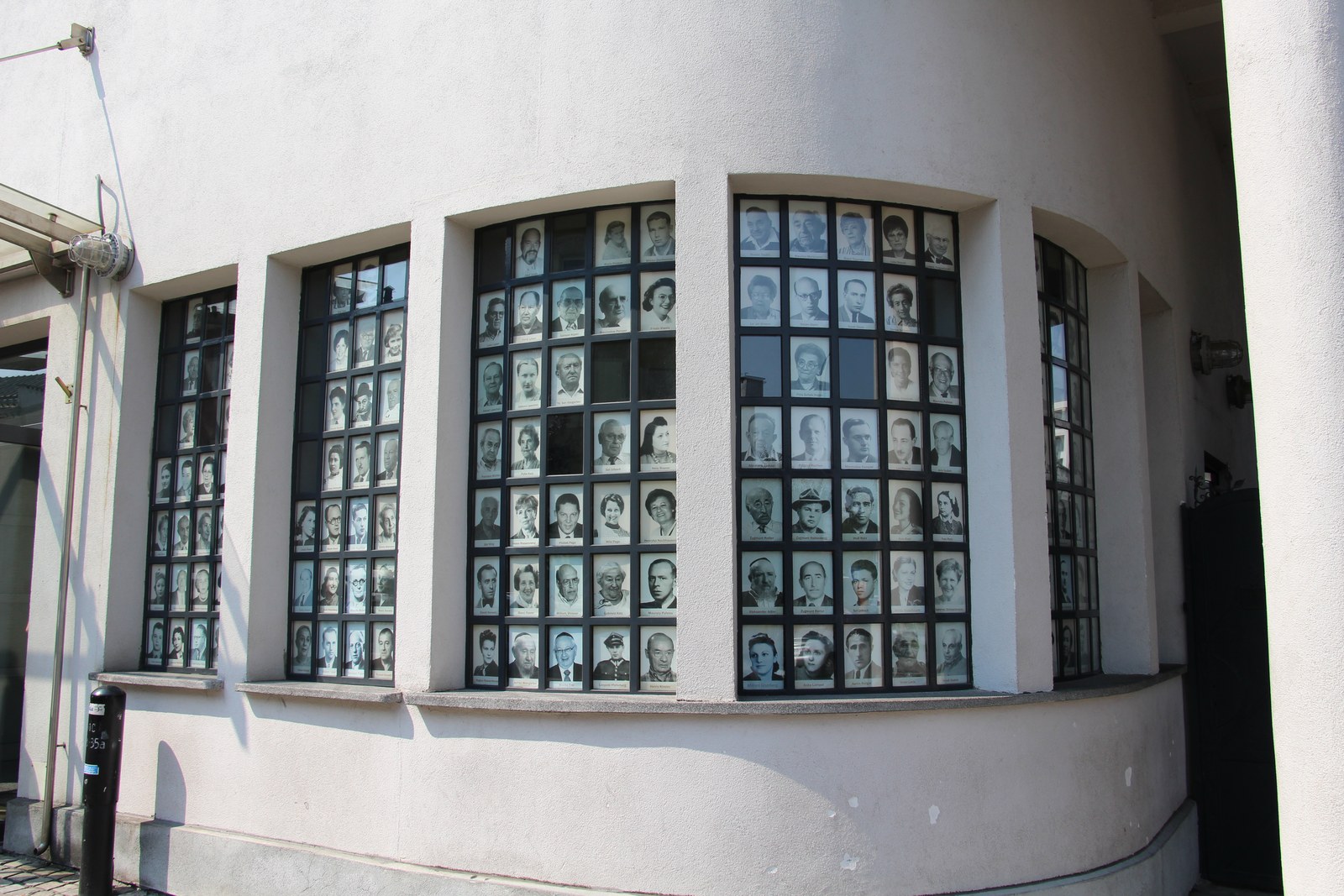
Oskar Schindler's Enamel Factory
ul. Lipowa 4, 30-702 Kraków
Schindler's Factory in Krakow - the story of the city under occupation 1939-1945. Opening hours, tickets 60/45 PLN, free Mondays, book timed …
 Art
ArtMOCAK Museum of Contemporary Art in Krakow
ul. Lipowa 4, 30-702 Kraków
MOCAK Krakow - Museum of Contemporary Art in Zabłocie, next to Schindler's Factory. Hours Tue-Sun 11-19, tickets 30/20 PLN, free Thursday …
 Art
ArtStained Glass Museum
al. Zygmunta Krasińskiego 23, 31-111 Kraków
Stained Glass Museum Krakow - a working stained glass studio. Guided tours Tue-Sat, English at 12:00 and 15:00. Hours, tickets, directions.