Seweryn Udziela Ethnographic Museum
Muzeum Etnograficzne im. Seweryna Udzieli
1.5 km from Rynek Główny in Krakow See museums near Rynek Główny in Krakow
- Wheelchair: Yes
- Elevator: Yes
Location
What to expect
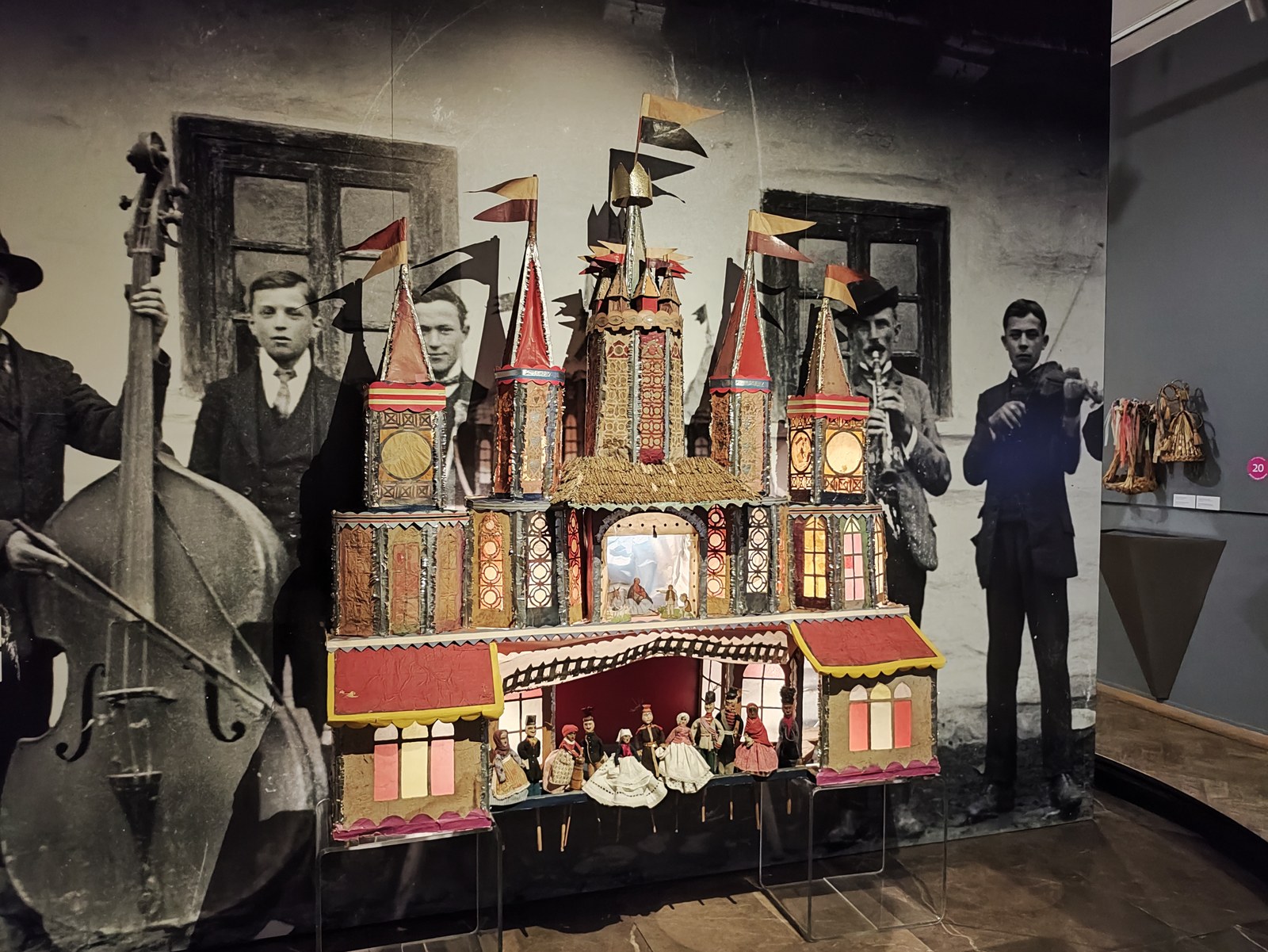
If Kazimierz has so far meant synagogues and courtyards, this is the building that explains the countryside those courtyards traded with. Three floors of the district’s old town hall hold the oldest ethnographic collection in Poland. The permanent display is itself old enough to count as a historical object: its first version opened in 1951 and parts of it still stand where they were put.
The ground floor works as an indoor open-air museum. You walk into two reconstructed cottage rooms, one from the Krakow lowlands and one from the Podhale highlands, past a potter’s kiln, an oil press, a fulling mill and a 19th-century schoolroom.
The first floor is dense with objects: a gallery of regional folk costumes, farming and craft tools, musical instruments, and the Christmas and Easter rituals that still shape the Polish calendar. The single object people remember is a beehive carved as a life-size bear. The top floor, “Nieobjęta ziemia” (Unattainable Earth), shows folk paintings and sculpture with no glass and no barriers.
Best for a first, unhurried introduction to Polish folk culture, and for children up to about ten, who react to the rooms they can step into rather than to the cases. There are almost no screens here, which is the point.
In Your Pocket, which knows the city well, puts the split honestly: newcomers to szopki and pisanki will be delighted, while Poles may feel the same subjects are covered more colourfully elsewhere. The same source reports the exhibits are well explained in English; the museum itself publishes nothing about label languages, so ask at the desk if that decides your visit.
Temporary exhibitions are not in this building. They run in Dom Esterki at ul. Krakowska 46, 100 metres away; the current one, “Batikara. Fantastyczna Józefa Kogut”, closes on 20 September 2026.
Tips
- Free Tuesday, busiest Tuesday. Free entry covers the permanent exhibition only; the temporary show drops to PLN 15 and 10 that day. Groups of more than ten are required to book a Tuesday slot in advance, which tells you how full it gets.
- Wednesday after 15:00 is the calm slot. Until 18:00 the museum runs quiet hours: ground floor dimmed, sound turned down, some screens off, no workshops. Individual visits only, so no guided tours during that window.
- Allow 90 minutes for the lower two floors. That is the museum’s own figure for the ground and first floors. Add another hour for the art floor above; the full building is about two and a half hours.
- The combined ticket is two visits. PLN 35 (reduced 23) covers the permanent exhibition here and the temporary one in Dom Esterki, but you walk 100 metres down the street between them. The permanent exhibition alone is PLN 20, reduced 15.
- Tickets at the door, cash desk on the ground floor. There is no timed online booking to worry about. Children under 7 go free, as do carers of visitors with disabilities; a family ticket is PLN 30.
- A guide costs more than the tickets. A tour in English or Spanish is PLN 300 plus admission for the group (Polish PLN 200), booked at least ten days ahead for a maximum of 25 people, and it lasts about 90 minutes. Polish Sign Language interpreting is free.
- The lift only runs with a staff member. The town hall has three storeys and a lift, but it is operated in the company of an attendant and the ground-floor rooms have high thresholds. The only accessible toilet is on the ground floor, and the second floor has none at all. A free assistant can be arranged with two working days’ notice.
- Check the dated holiday calendar. The museum publishes it day by day: 11 November and 31 December 2026 are short days, 10:00-16:00, while 24 and 25 December and 1 and 6 January are closed.
Getting there
Tram: the Plac Wolnica stop, lines 8, 10 and 13. It is under 100 metres to the door, across one or two pedestrian crossings with dropped kerbs.
On foot: 15 minutes from the Main Market Square down Grodzka and Stradomska, about 10 minutes from Wawel Castle, five to seven from ul. Szeroka if you are already on the Kazimierz synagogue trail.
Bus: only the 904 night service calls at Plac Wolnica, so by day the tram is the sensible choice.
By car: the museum has no car park and all of Kazimierz is a paid parking zone. Leave the car in Zabłocie across the river and walk over the Bernatek footbridge.
Nearby
Five minutes away, in a former tram depot, the Museum of Engineering and Technology covers the same decades from the machine side rather than the village side. It is the natural second half of a day spent here.
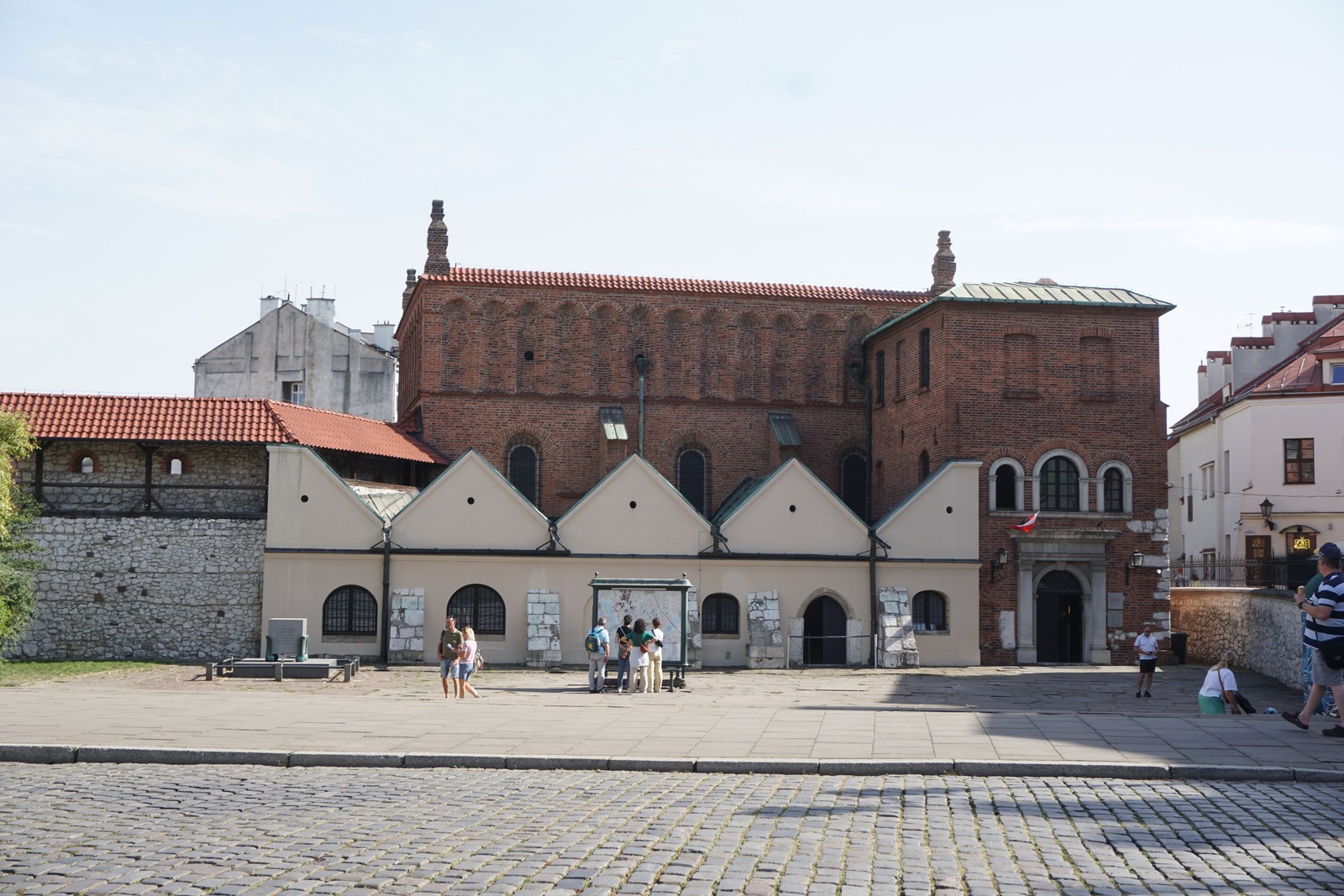
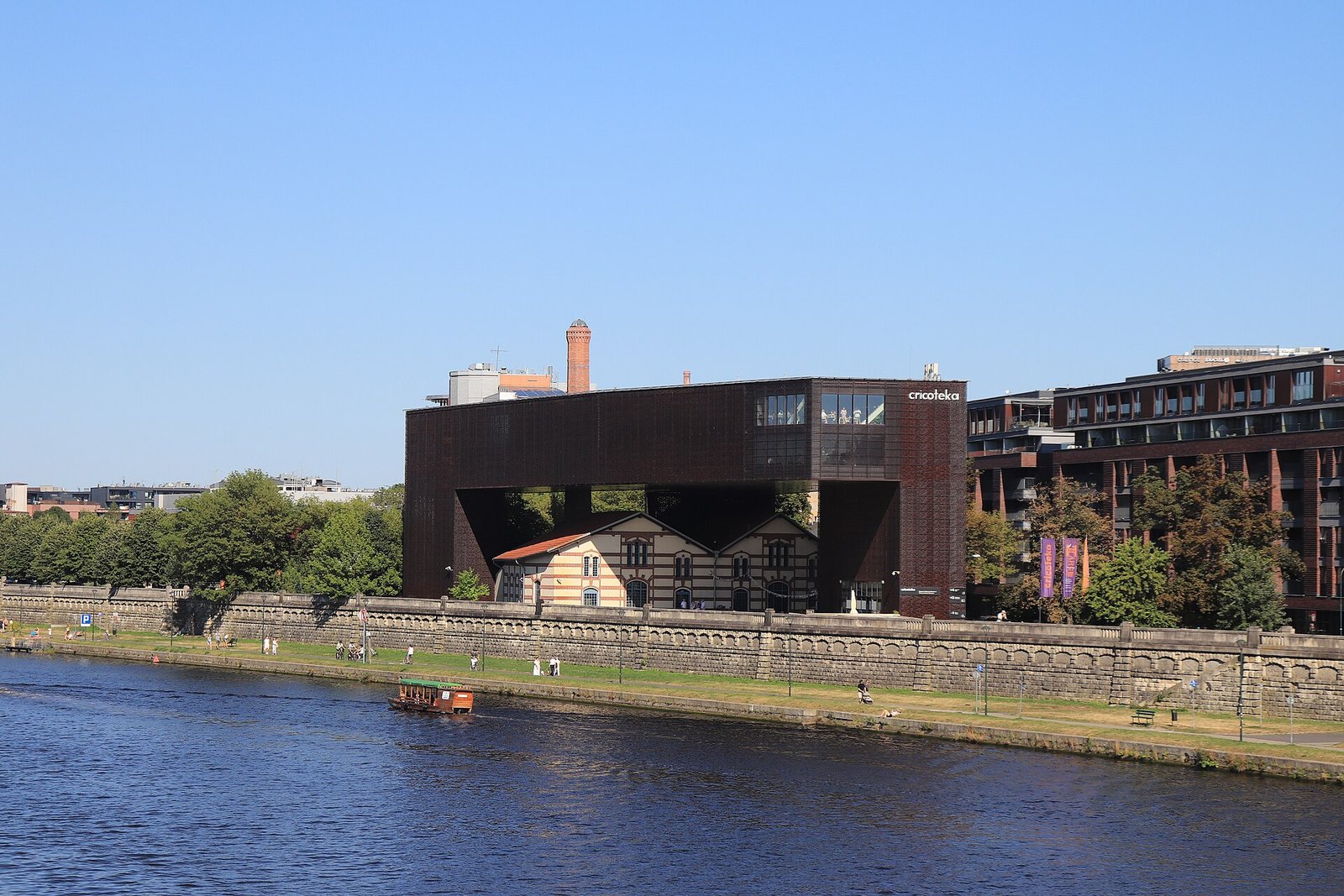
The Old Synagogue on ul. Szeroka is the oldest building of its kind in Poland and the shortest visit in the district. Across the river past the Bernatek footbridge, Cricoteka keeps Tadeusz Kantor’s theatrical archive, which is about as sharp a contrast as Krakow offers.
Background
The museum opened on 19 February 1911 after Seweryn Udziela, a schoolteacher and school inspector, failed to find room for his ethnographic collection inside the National Museum in Sukiennice. The first display filled three small rooms on ul. Studencka; in 1913 the collection moved to a former seminary building on Wawel Hill, and only in 1948 did it reach the Kazimierz town hall. The museum took Udziela’s name in 1938, a year after his death.
The collection now runs to more than 80,000 objects and long ago outgrew southern Poland. Poland’s finest Hutsul collection came here as a gift from Helena Dąbczańska, and the country’s largest holding of objects from the tropical-forest cultures of South America was built with the collector Borys Malkin. The museum is a cultural institution of the Małopolska region and marks its 115th anniversary in 2026.
Nearby museums
 Science
Museum of Engineering and Technology
ul. Świętego Wawrzyńca 15, 31-060 Kraków
Museum of Engineering and Technology Krakow in a historic tram depot. Hours Tue-Sun 10-18, tickets PLN 35/28, free on Tuesdays.
 History
Old Synagogue
ul. Szeroka 24, 31-053 Kraków
The Old Synagogue in Krakow's Kazimierz - Poland's oldest surviving synagogue, now a museum. Opening hours, tickets 22 PLN, free entry on …
 Art
ArtCricoteka - Centre for the Documentation of the Art of Tadeusz Kantor
ul. Nadwiślańska 2-4, 30-527 Kraków
Cricoteka Krakow: Tadeusz Kantor's stage machines and archive on the Vistula in Podgórze. Hours Tue-Sun 11-19, tickets PLN 25/15, free …