Dominican Museum in Krakow
Muzeum Dominikanów
296 m from Rynek Główny in Krakow See museums near Rynek Główny in Krakow
- Wheelchair: No
Location
What to expect

The Dominican Museum in Krakow costs nothing and stands 300 metres from the Main Market Square, yet it is one of the harder places in the city to get into. It opens three days a week, and only on a booked time slot. Turn up without a reservation and you will not be let in, so this is a decision for before you fly, not for the morning it rains.
The exhibition runs to about 500 square metres on two levels of a working monastery, entered through the cloisters and the Gothic hall the friars call the atrium. Level zero occupies Romanesque rooms of the 13th century and early modern ones of the 16th and 17th, with a Romanesque brick wall uncovered during conservation work left exposed. One floor down is a maze of medieval cellars, deepened to hold the display, with the Gothic hypocaust that once heated the monastery still in place. The building is half the reason to come.
The single most important object is the set of stained-glass panels from the turn of the 13th and 14th centuries, the oldest in Poland. They spent decades on deposit at the National Museum and are now back in the monastery they were made for. Around them: roughly 700 glazed 13th-century floor tiles dug up on site, six alabaster figures of Christ and the apostles carved in the southern Netherlands or northern France in the 15th century, an alabaster Madonna from the Dominican house in Lviv, a parchment choir book of 1536, an embroidered cross panel showing the Holy Trinity made around 1380-1395, and a gold monstrance from Podkamień. Part of the collection comes from houses in the eastern provinces of pre-war Poland, which is why the labels keep naming towns now in Ukraine.
Come for medieval art and old architecture, not for a show: cases, stone, brick and spot lighting, no screens and no child-height stations. Children under about ten will be finished in fifteen minutes; a teenager who likes history will not be. If you plan to see one piece of Gothic stained glass in Krakow, this is the one.
Tips
- Book the free ticket in advance. Entry requires a reserved free ticket for a specific day and hour, through the museum’s own booking system, and there is no standby queue.
- Friday is the only long day. Thursday and Saturday close at 16:00, Friday at 18:00, and the museum is shut Sunday to Wednesday - Wednesday is an internal day, with students and researchers admitted by arrangement.
- Allow 40 minutes to an hour. The museum publishes no figure. A Krakow guide puts a self-guided walk-through at about 40 minutes; reading the case labels takes you to an hour.
- Carry a 1 or 2 zloty coin. Backpacks and heavy coats must go into the cloakroom and the lockers are coin-operated. There is no cash machine inside a monastery.
- Labels: assume Polish. The museum publishes nothing about label languages, and English guiding is handled by two named external guides rather than staff. Arrange it before you come instead of hoping for a leaflet.
- A guided tour only pays for a group. Polish tours cost PLN 200 for up to 15 people and PLN 220 for up to 25, cash on site, booked at least seven days ahead - a lot of money for two people in a 40-minute room.
- No flash, no tripod. Photography is otherwise allowed, but the cellars are dark; bring a fast lens or accept the noise.
- Stairs, and no way round them. The museum states plainly that the monastery’s historic architecture leaves it unsuited to independent visiting by people with limited mobility. A visit can be arranged by phone on +48 694 480 689, but not improvised on the day.
Getting there
On foot: from the Main Market Square walk down Stolarska towards Dominikańska - three or four minutes. The museum entrance is the monastery gate at number 12, beside the Basilica of the Holy Trinity, not the church door.
Tram: the nearest stops are Poczta Główna on Westerplatte and Plac Wszystkich Świętych on Grodzka, both about five minutes’ walk. From the main railway station, walking across the Planty park beats waiting for a tram.
By car: the restricted traffic zone inside the Planty ring rules out driving to the door. The nearest paid car parks are by the main post office and the Franciscan monastery; for a visit this short, leaving the car outside the ring is cheaper.
Nearby
Ten minutes along ul. Kanonicza, the Archdiocesan Museum holds the Old Town’s other collection of sacred art - the obvious continuation if Gothic is what brought you here.
Four hundred metres away, under the Main Market Square, the Rynek Underground tells the story of the same medieval city through screens and sound. Paid, timed and busy: the exact opposite of the quiet in the Dominican cellars.
Three minutes along ul. Świętego Jana, the Czartoryski Museum has Leonardo’s Lady with an Ermine. Since the Dominican hour is free, the pair makes an honest half-day on one ticket.
Background
St Jacek Odrowąż founded the Dominican monastery in Krakow in 1222, establishing the Polish province of the order at the same time. The friars describe it as one of only three houses in the world where Dominican life has continued without interruption since the order began. The museum was created for the 800th anniversary of that foundation.
It was ceremonially opened on 24 November 2022 and admitted visitors from 12 January 2023. Professor Marek Walczak of the Institute of Art History at the Jagiellonian University supervised the shape of the exhibition, working with art historians, conservators and archaeologists. The holdings combine the artefacts, artworks, books and archives of the Krakow house with those of Dominican monasteries in the eastern provinces of pre-war Poland - communities that ceased to exist in their own buildings after 1945.
Nearby museums
 History
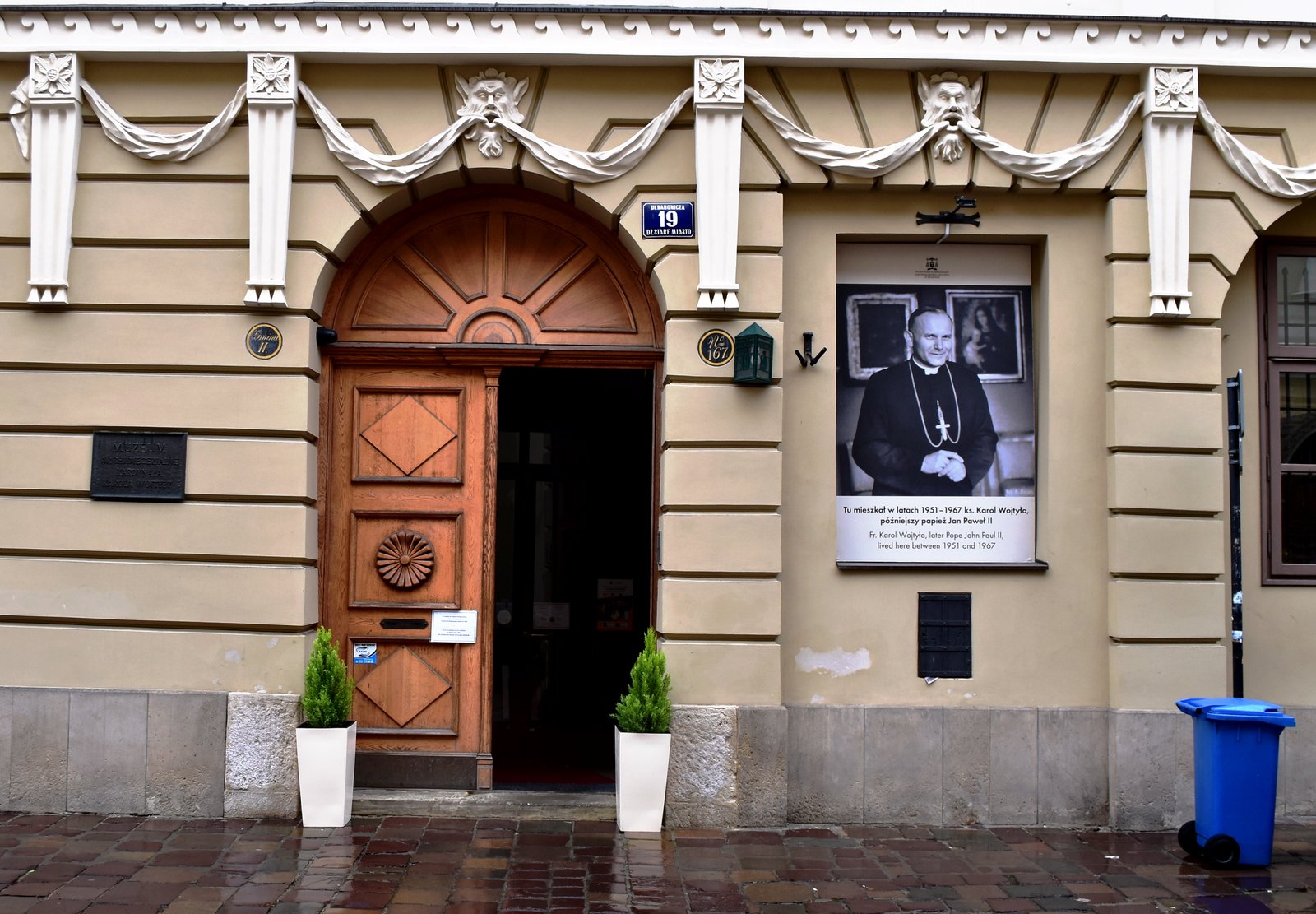
Archdiocesan Museum in Krakow
ul. Kanonicza 19-21, 31-002 Kraków
Archdiocesan Museum Krakow on Kanonicza Street - sacred art and Karol Wojtyla's former home. Tickets 10/6 PLN, Tue-Sun 10:00-17:00.
 History
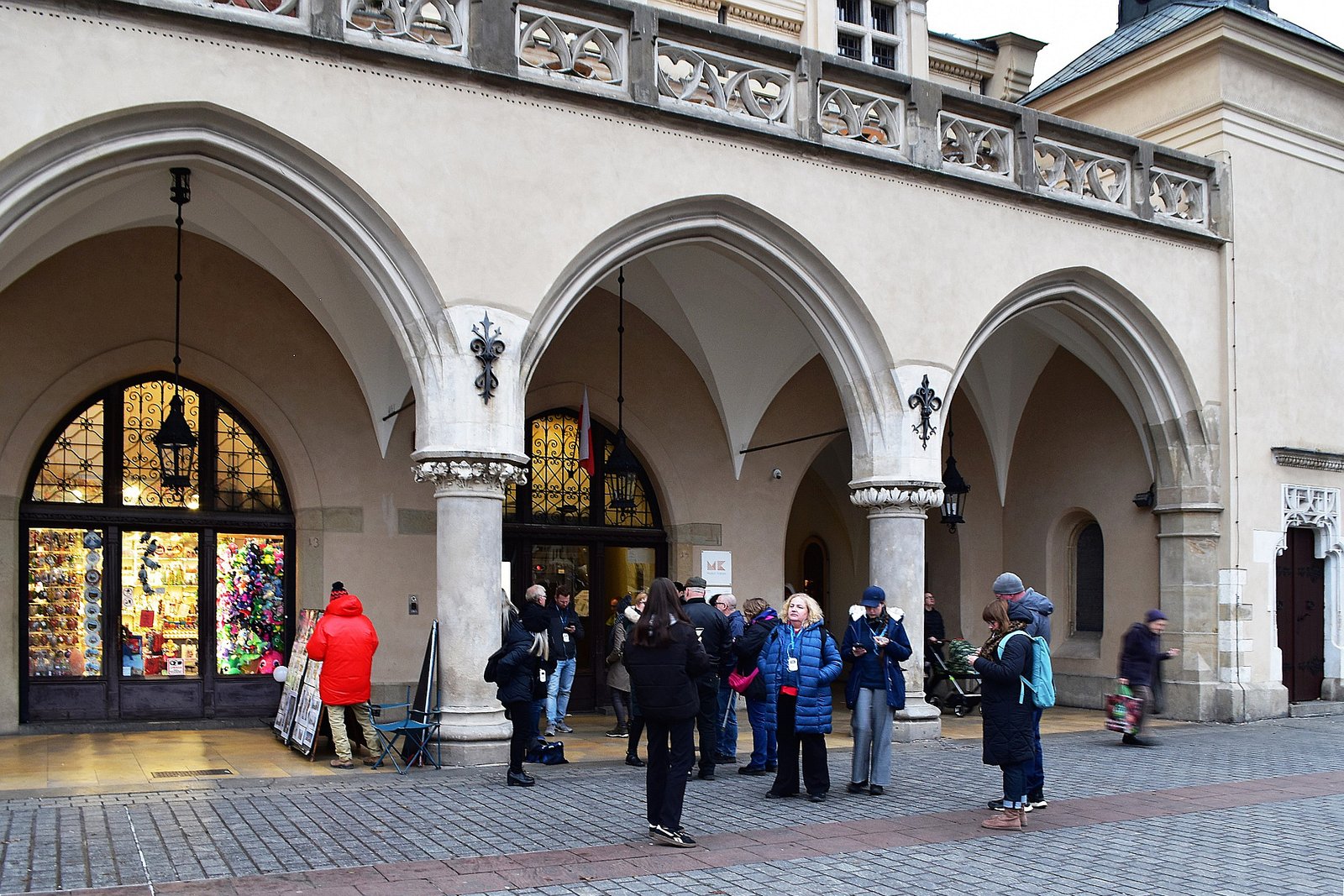
Rynek Underground
Rynek Główny 1, 31-042 Kraków
Rynek Underground Krakow - archaeological route beneath the Main Square. Opening hours, tickets 45/35 PLN, free Tuesdays, booking advice.
 Art
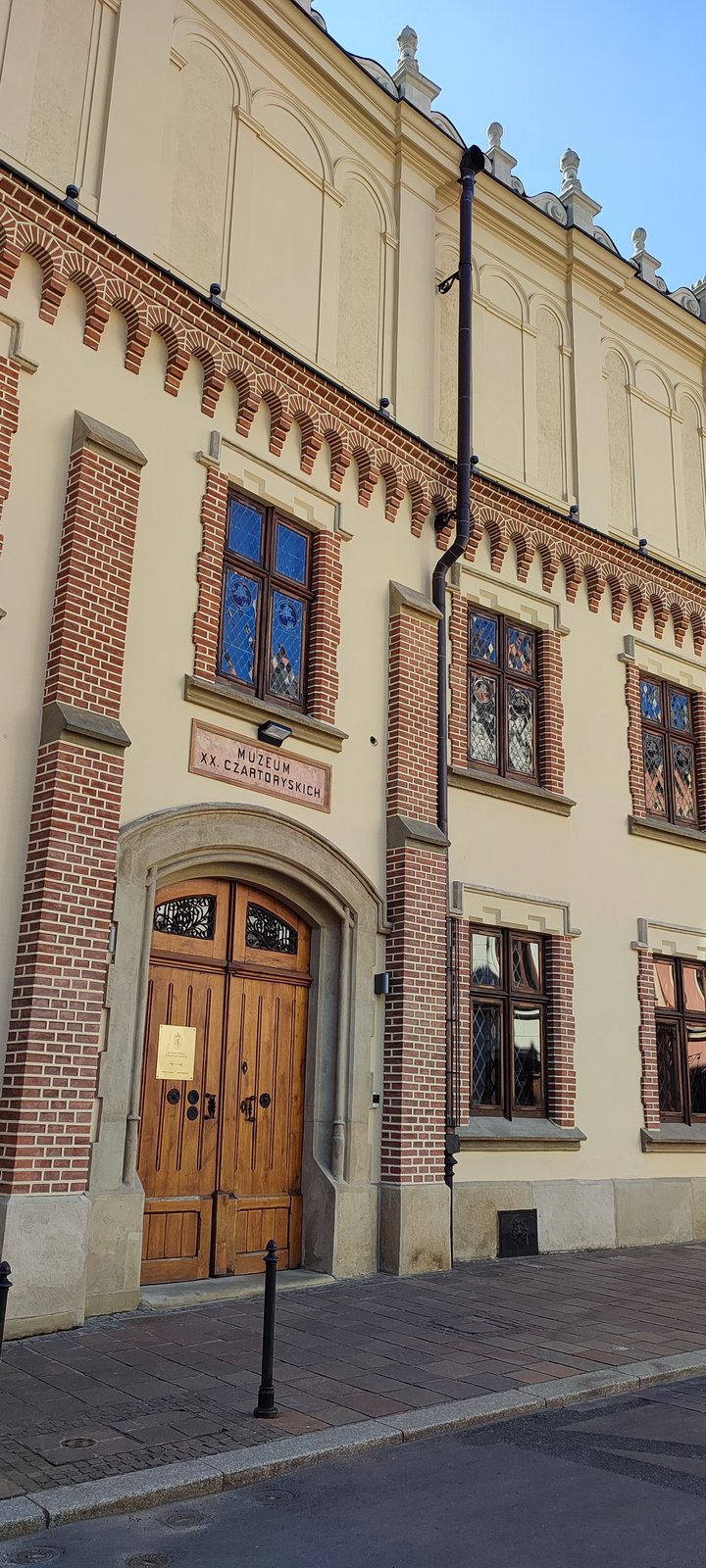
ArtCzartoryski Museum
ul. Pijarska 15, 31-015 Kraków
Czartoryski Museum in Krakow - Leonardo's Lady with an Ermine. Open Tue-Sun 10:00-18:00, tickets 65/50 PLN, free entry on Tuesdays.