Museum of the Carmelite Monastery Na Piasku
Muzeum Ojców Karmelitów na Piasku w Krakowie
548 m from Rynek Główny in Krakow See museums near Rynek Główny in Krakow
Location
What to expect
This Carmelite museum in Krakow is a monastery treasury behind a gate, not a visitor attraction with a desk. There are no opening hours at all: the friars show the room only to people who have arranged a time in advance. What waits on the other side is a single hall, the former sacristy known as the Skarbiec, with 17th-century stucco on the vault and walls and three paintings of scenes from the monastery’s past. The order turned it into a museum in the 1980s and has not restaged it since.
The contents are the sort that most museums keep in a study room. Parchment antiphonaries of 1394-1397, as old as the Krakow house itself. An outsized gradual copied by Father Stanisław in 1644, illuminated with scenes from the life of Christ and the history of the Order. Papal bulls of privilege, royal endowment charters, chapter minutes.
Beside them lie the admission registers of the Confraternity of Our Lady of the Scapular, kept since 1600 - four centuries of Krakow names and trades. The metalwork runs to monstrances, chalices and reliquaries, the oldest from the 17th century, and among the vestments hangs a cope of Turkish velvet given by King Jan III Sobieski in thanksgiving for the relief of Vienna.
Much of this did not start in Krakow. After the Second World War the collections of Carmelite houses in the eastern borderlands - Lwów, Trembowla, Sąsiadowice, Rozdół, Bołszowce - were brought here, along with the Lwów library of some 7,500 volumes. The monastic library now holds more than 12,000 old prints and over 300 incunabula, and one of its 15th-century manuscripts is among the three oldest copies in Europe of the Revelations of St Bridget of Sweden, written in 1386.
Come here if manuscripts, book history or church silver are the reason you travel. If you have two days in Krakow, you will spend more of them arranging the appointment than inside the room, and the Archdiocesan Museum will give you sacred art the same afternoon.
Tips
- Email, do not rely on the gate. The order gives three channels: the monastery gate, the phone number +48 12 632 11 73 ext. 143, and archiwum@karmelici.pl . The gate is staffed Monday to Friday, 8:00-12:30 and 14:00-17:30, so turning up at the weekend to ask gets you nowhere. Write in English if you must, but a message in Polish will be answered faster.
- Allow 30 to 45 minutes for the treasury. It is one room, not a route. With the basilica, the chapel of Our Lady of the Sands and the lower cloisters, budget an hour and a half. This is our estimate; the order publishes no visit duration.
- The Saturday concert is the other way in. A commercial promoter sells candlelit evenings of Vivaldi’s Four Seasons in the cloisters, and the ticket includes a short guided look at the monastery treasury - advertised as medieval manuscripts, 14th-century books and old chant, which is what the museum holds. Tickets start at 84.80 PLN. It is not the order’s own offer, and the start times quoted by different sellers differ by about 20 minutes, so go by your booking confirmation.
- The cloisters need no appointment. The lower cloisters can be entered from the side aisle of the church. Their vault carries a painted cycle from the first half of the 18th century, attributed to Michał Popławski, telling the foundation legend: Prince Władysław Herman, the violets growing on sand, Queen Jadwiga and King Jagiełło, the fire of 1587.
- The church is open and free. If the appointment does not come off, you still get the sanctuary with the miraculous image of Our Lady of the Sands, and all-day adoration in the Confraternity Chapel, 6:00 to 19:00 on weekdays.
- Nothing here is set up for tourists. No ticket desk, no shop, no guide on duty, and the labelling is monastic rather than curatorial. The order publishes nothing about English labels or English-language guiding, so ask when you arrange the visit.
- Accessibility. The museum publishes no accessibility information - call before visiting.
Getting there
On foot: about ten minutes from the Main Market Square. Take ul. Szewska to the Planty park, cross it and continue up Karmelicka; the monastery gate is on the right, just past the church.
Tram: the nearest stop on Karmelicka is Stefana Batorego. Mind the works: the rebuilding of the Teatr Bagatela junction began on 6 June 2026 and is planned to run about nine months, with Karmelicka closed to trams and cars between Bagatela and Garbarska. Check the current ZTP notices before you set out - from the centre, walking is faster anyway.
By car: paid parking zone, no monastery car park, and Karmelicka itself is a building site. Leave the car outside the first ring road.
Nearby
The Dominican Museum on ul. Stolarska is the comparison worth making: another mendicant order showing its own treasury, but with published opening days and a free ticket you book online. Same idea, opposite level of effort.
For sacred art without correspondence, the Archdiocesan Museum on ul. Kanonicza opens Tuesday to Sunday and sells ordinary tickets. Further south, Wawel Royal Castle and the cathedral show royal votives and regalia on a scale a single monastic room cannot match.
Background
The church was begun in 1395, founded by Queen Jadwiga and King Władysław Jagiełło, and handed two years later to Carmelites who came from Prague - the city the oldest choir books in the collection come from. The gothic building burned in 1587 during the siege by Archduke Maximilian’s army and was damaged again by the Swedes. Bishop Mikołaj Oborski consecrated the rebuilt church on 23 April 1679; the monastery had been rebuilt five years earlier, and its second and third floors were added only in 1928-1929.
The archive behind the museum holds the records of five Carmelite provinces of the old Polish-Lithuanian Commonwealth and of fifty monasteries. That is where the scale comes from: not one house’s souvenirs, but what survived of a whole province.
Nearby museums
 History
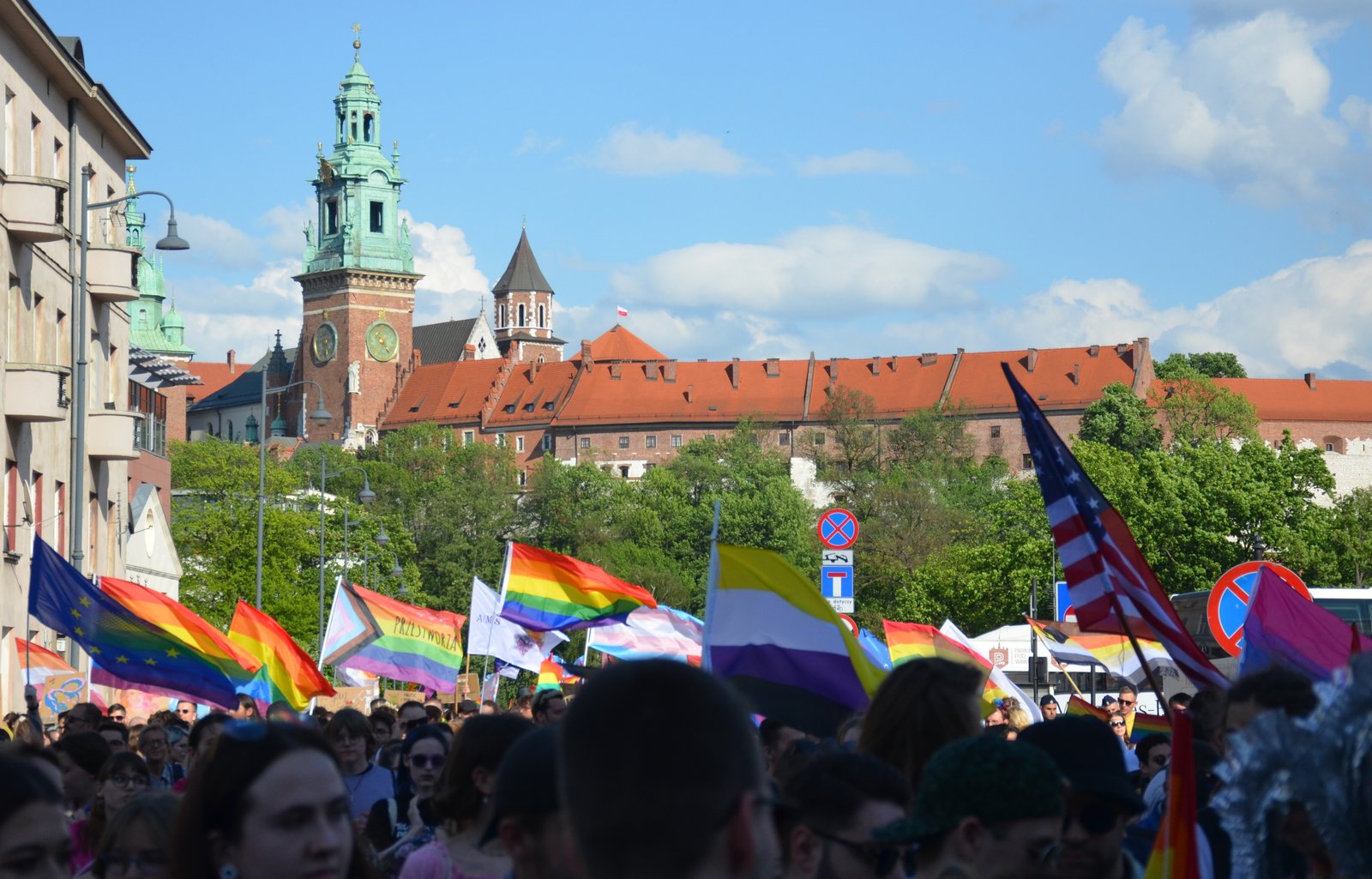
Wawel Royal Castle
Wawel 5, 31-001 Kraków
Wawel Royal Castle - State Rooms, Crown Treasury and Armoury. Ticket prices per route, free Mondays, opening hours and how to get there.
 History
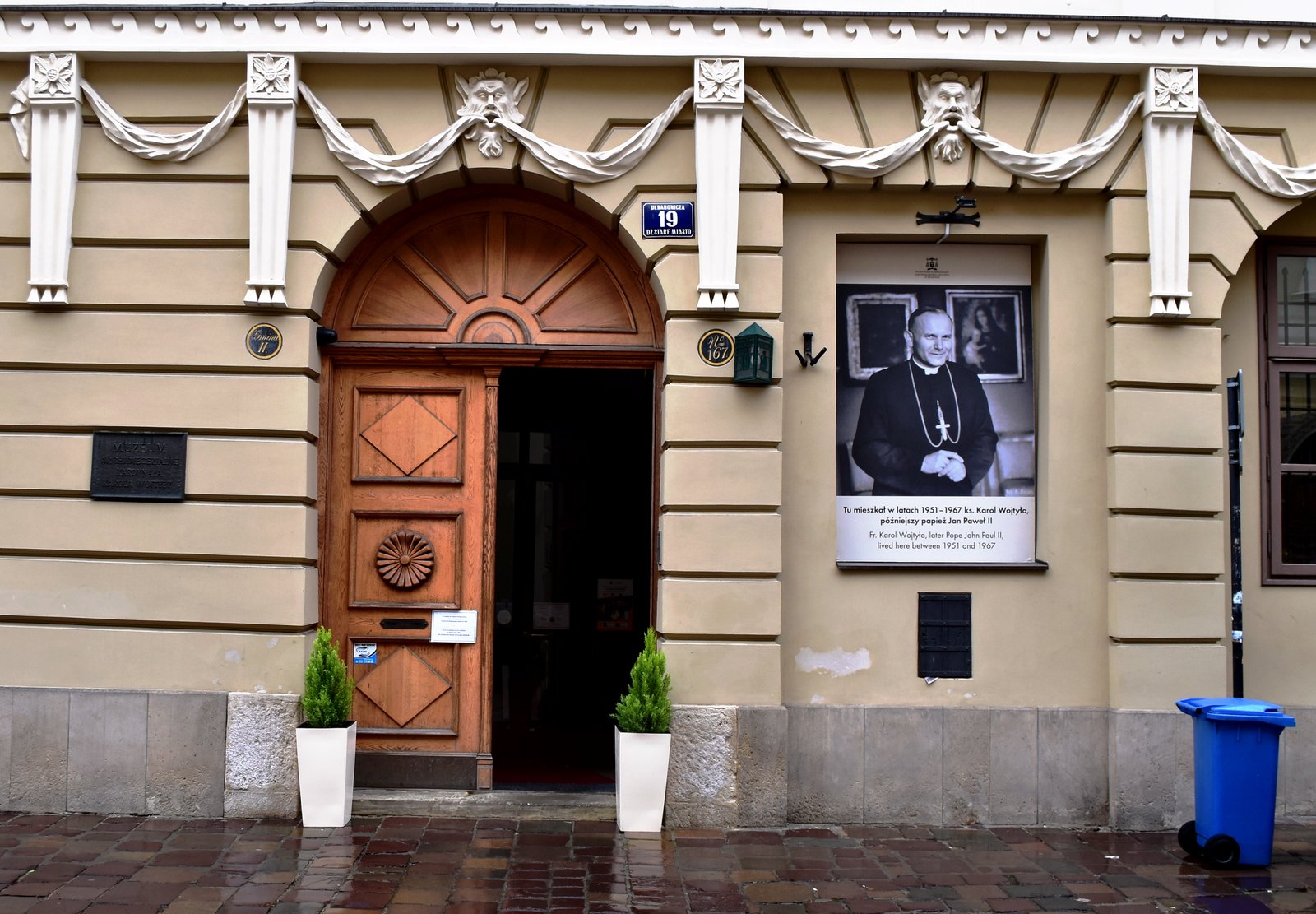
Archdiocesan Museum in Krakow
ul. Kanonicza 19-21, 31-002 Kraków
Archdiocesan Museum Krakow on Kanonicza Street - sacred art and Karol Wojtyla's former home. Tickets 10/6 PLN, Tue-Sun 10:00-17:00.
 Culture
Dominican Museum in Krakow
ul. Stolarska 12, 31-043 Kraków
Dominican Museum in Krakow - 800 years of the Dominican Order: Poland's oldest stained glass and monastery treasures. Free entry, book …