Koszyce Land Museum
Muzeum Ziemi Koszyckiej im. Stanisława Boducha
Location
What to expect
The street the Koszyce Land Museum stands on is called Wspólna - “Common Street” - and that name is not an accident. Until the Second World War, Koszyce was a town of two faiths: around 40 per cent of its residents were Jewish at the end of the 19th century, and the museum’s building was the town synagogue. The Germans used it as a warehouse; after the war it stood empty and crumbling until 2004, when the county building inspector ordered it demolished as unsafe. It survived because Stanisław Boduch, a Chicago businessman born in Koszyce, bought the ruin, paid for its restoration himself, and handed it to the commune as a museum in 2007.
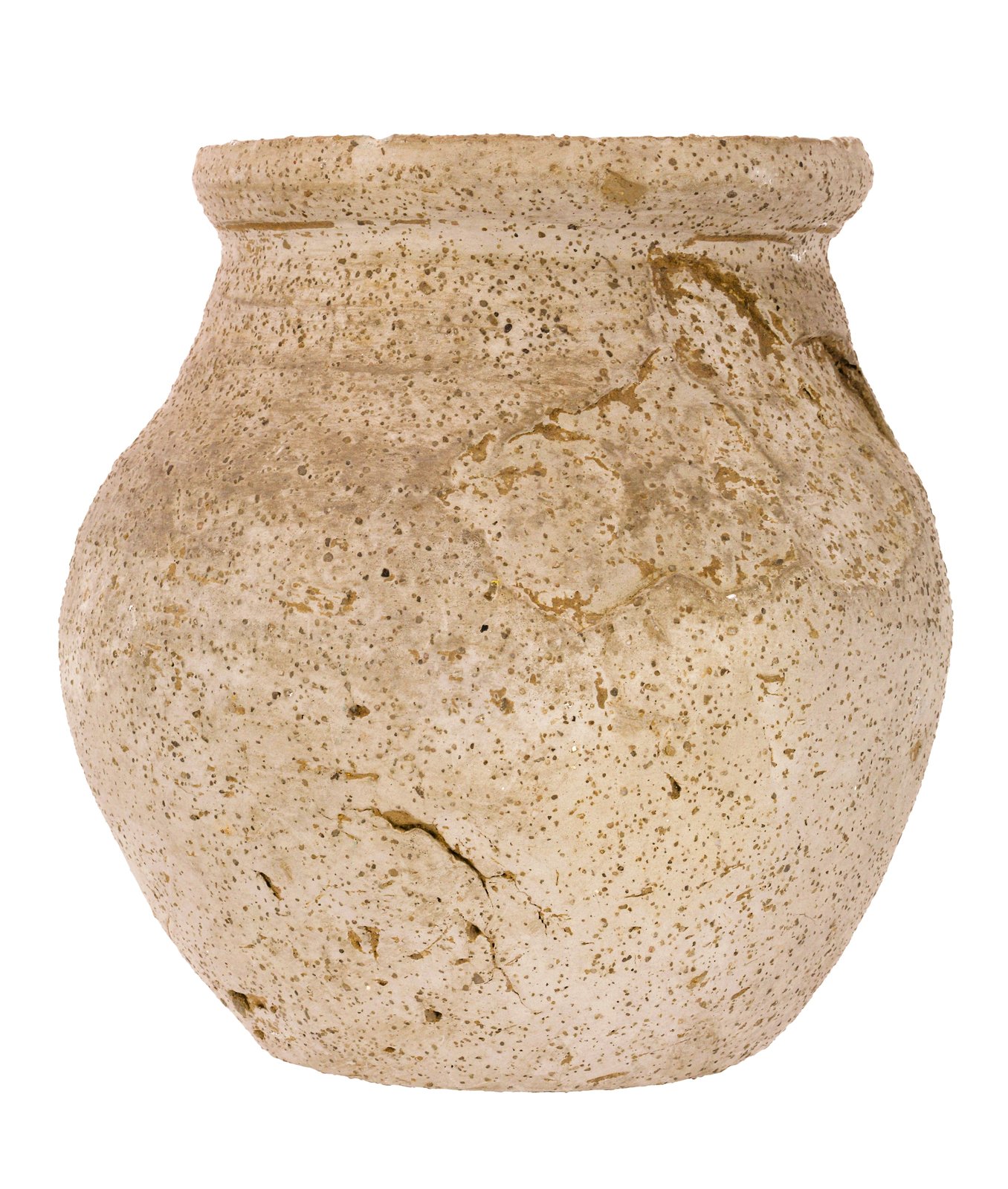
The three permanent departments occupy mainly the upper floor of the former synagogue. The archaeological department shows several hundred objects from digs at Sokołowice (Trzciniec culture, 1650-1300 BCE) and the Vistula-side stronghold of Witów-Dalanów (Lusatian culture, 1300-700 BCE) - mostly pottery and jewellery, plus a mammoth tusk, one of very few such pieces held by any Polish museum. The historical department gathers the town’s founding charter, guild records, copies of the seals of Queen Elisabeth Łokietkówna, and mementoes from the German occupation. The ethnographic department keeps a complete barber’s shop, donated with its original equipment - antique hair clippers and perm machines - and a weaving workshop with spinning wheels, shown as intact, once-working stations rather than tools laid out in a case.
The ground floor hosts temporary shows, concerts and community meetings - the only hall of its kind for miles, so locals treat the museum a little like a community centre as well as an exhibition space.
Best for a traveller driving the Vistula valley who wants to see how a small town’s mixed Catholic-Jewish history fits inside one rescued building. Koszyce was granted its town charter in 1374 by Queen Elisabeth Łokietkówna; the tsar stripped it of town status in 1869 in reprisal for the January Uprising, and it became a town again only on 1 January 2019 - and the 1374 charter sits in the museum’s historical department. No crowds, no queue, no booking required. Skip it if you need a large collection or anything beyond Polish: the whole exhibition sits on one floor and none of it is translated.
Tips
- Allow 45 minutes. Three small departments, comfortably walked through in under an hour - too little for a full day out, but a good stop on a longer drive.
- Call before you go. Hours are short and change day to day (Tuesday to 14:00, Wednesday to 16:00, Thursday to 15:00, Friday and Saturday to 18:00; closed Monday and Sunday), and it is easy to arrive to a locked door without checking first.
- Contact runs through the commune office, not the museum. Besides the landline there is a mobile number (509 684 436), but the e-mail address (promocja@koszyce.gmina.pl ) belongs to the Koszyce commune office - the museum has no inbox of its own.
- Admission is free, though the museum’s own site never states a price at all; only third-party tourism listings confirm it.
- Don’t miss the mammoth tusk and the 16th-century guild documents - the 1577 Great Guild statute and its confirmation by King Stefan Batory the following year are the oldest and rarest pieces on display.
- See the barber’s shop and the weaving workshop as sets, not single objects - they are reconstructed workstations, not tool displays in a case.
- Everything is in Polish. There is no foreign-language version of the museum’s page or the labels, so without Polish you get the objects, not the story behind them.
- Stop and look at the building before you go in. The rescue story - a 2004 demolition order, a Chicago emigrant buying the ruin, a two-year renovation that included rerouting the stream next door - is more interesting than several of the exhibits inside.
- The museum publishes no accessibility information - call before visiting.
Getting there
By car: Koszyce lies about 47 km east-north-east of Krakow as the crow flies, where the Vistula meets the Nidzica, close to the border with the Świętokrzyskie region. By the DK79 road towards Sandomierz it is roughly 53 km, about an hour’s drive.
By bus: the stop is Koszyce Rynek, a few minutes’ walk from the museum. Koleje Małopolskie buses run there from the Kraków Czyżyny Dworzec stop, and the private carrier AD runs from outside the University of Economics in Krakow; the ride takes about 1 hour 20 minutes. Check current departure times with the carrier before travelling - suburban timetables change several times a year.
On arrival: the museum is at ul. Wspólna 11, in a quiet part of town by the Goczałka stream, a few minutes’ walk from the market square.
Nearby
The archaeological thread of the Koszyce collection is developed at Krakow’s Archaeological Museum , where the same Trzciniec and Lusatian cultures are shown on a far larger scale. Traditional folk culture and craft is the focus of the Ethnographic Museum in Kazimierz. The closest match in scale and format is the Limanowa Regional Museum - a different county telling the same kind of small-region story through local collections.
Background
The synagogue on today’s Wspólna street survived the war but not the occupation and the decades after it: the Germans turned it into a warehouse, and after 1945, with no Jewish community left to look after it, the building slowly fell apart. In 2004 the county building inspector ruled it unsafe and ordered its demolition. That same year, Stanisław Boduch - a Koszyce-born Chicago businessman who ran a construction company and had won the “Project of the Year” award in Las Vegas - received honorary citizenship of the commune. Walking through town after the ceremony, he came across the ruin and decided to buy it.
The renovation took two years and cost around 2 million PLN: workers rerouted and deepened the adjacent Goczałka stream over 180 metres, built footbridges, and cleared thirty truckloads of rubbish from the neighbouring plot. Ethnologist Katarzyna Barańska wrote the exhibition programme with support from Krakow’s National, Archaeological and Ethnographic museums, which lent part of the collection. The building opened formally on 26 May 2007, during the town festival Dni Koszyc; Bishop Kazimierz Gurda blessed it, and President Lech Kaczyński sent a letter of congratulation. Boduch then handed the synagogue to the commune in perpetual use.
Nearby museums
 History
Archaeological Museum of Krakow
ul. Senacka 3, 31-002 Kraków
Archaeological Museum Krakow: during the rebuild only the prehistory of Małopolska is open. Tue-Sat 9-17, Sun 11-16, tickets PLN 15/10, free …
 Culture
Seweryn Udziela Ethnographic Museum
pl. Wolnica 1, Kraków
The Ethnographic Museum Krakow shows Polish folk culture in Kazimierz's old town hall. Hours Tue-Sun 10-18, tickets PLN 20/15, free on …
 Culture
Museum of the Limanowa Land
ul. Józefa Marka 13, 34-600 Limanowa
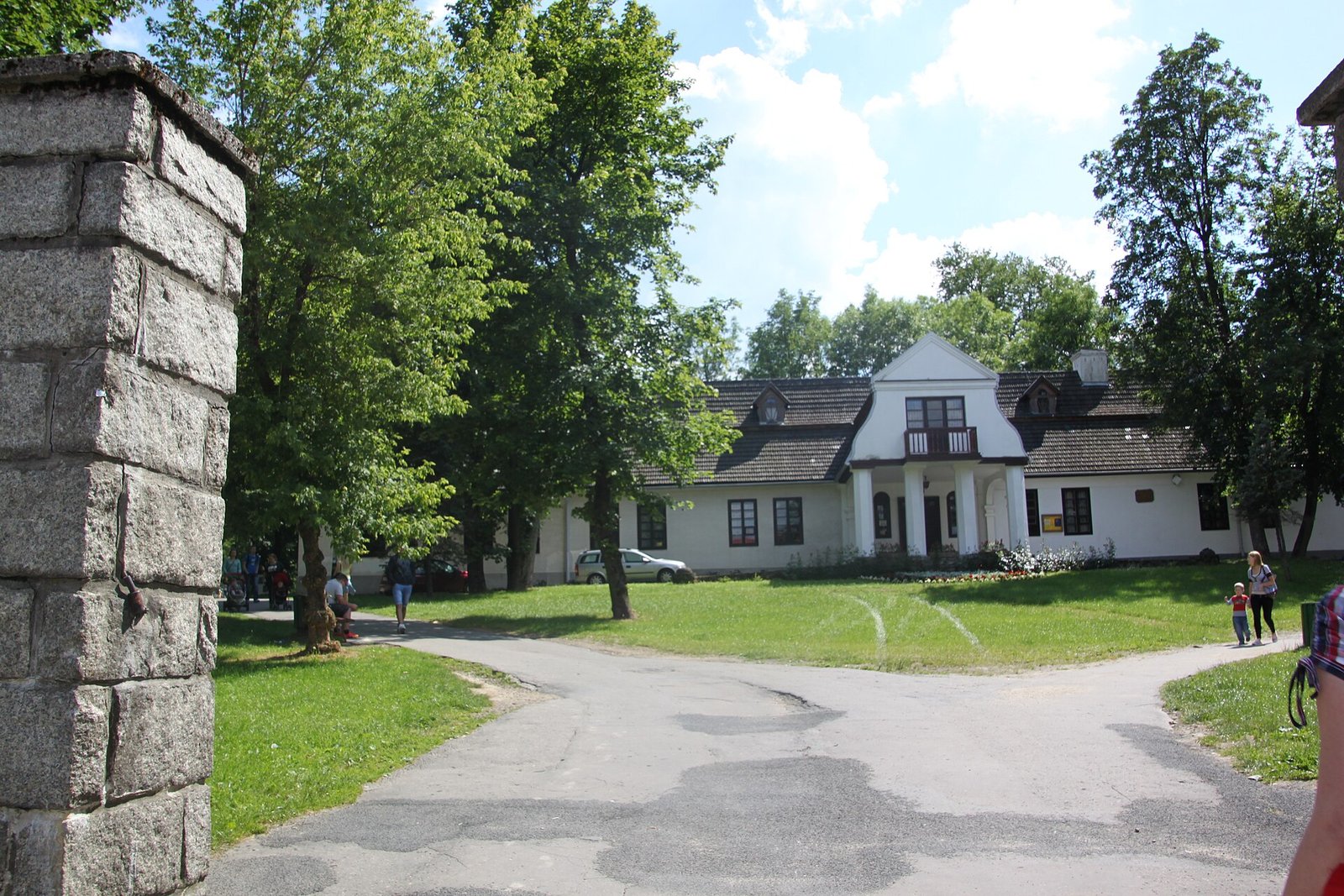
Museum of the Limanowa Land in Limanowa, near Kraków. Regional history, ethnography, the 1914 battle. Hours, tickets 15/10 PLN, Marsów …