Vistula Museum in Kazimierz Dolny
Muzeum Nadwiślańskie w Kazimierzu Dolnym
- Wheelchair: Yes
Location
What to expect
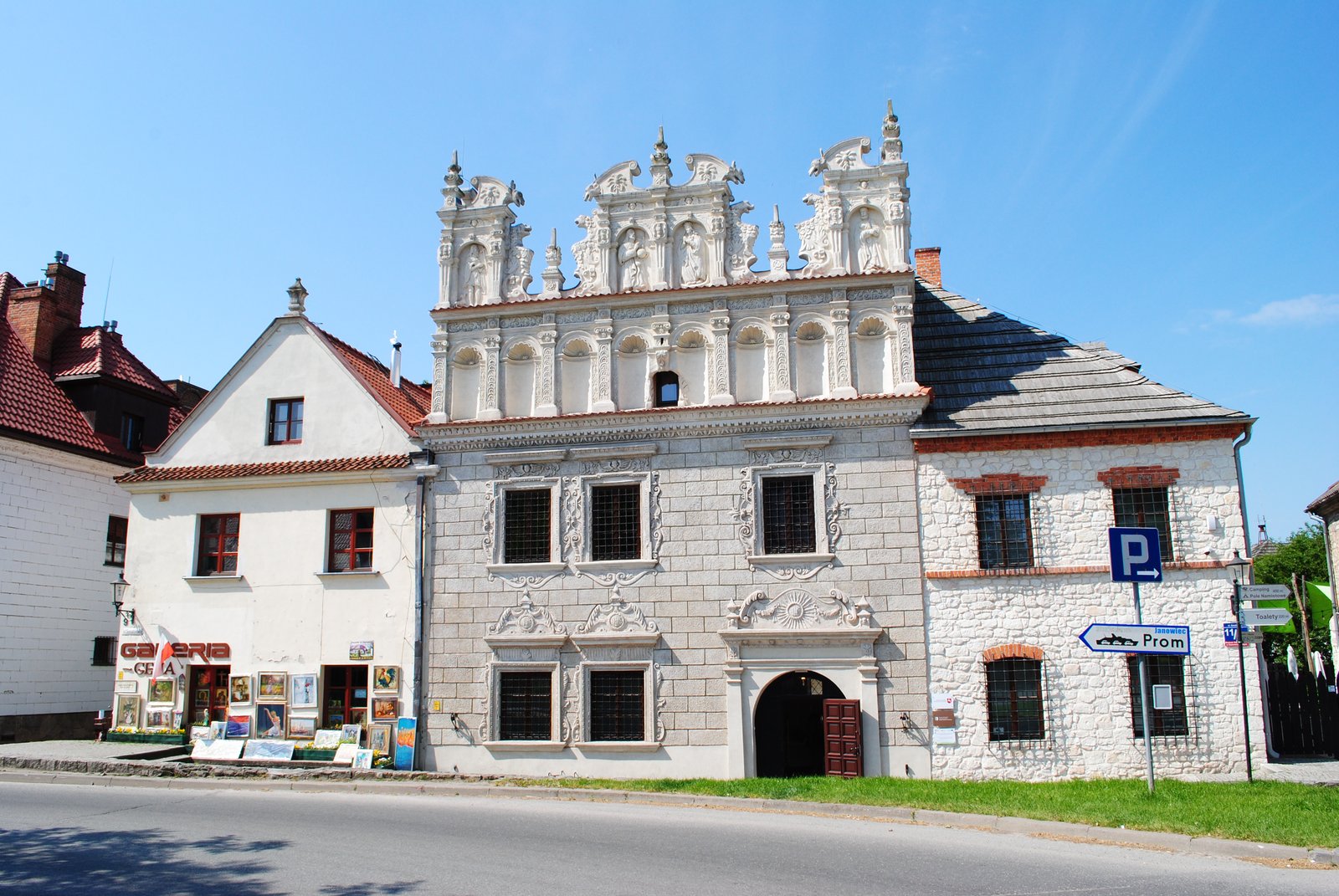
Kazimierz Dolny is a Renaissance market town on the Vistula about 50 km west of Lublin and 14 km south of Puławy, and the museum named after the river is not one building in it. It is five separate houses scattered around the town, each with its own ticket desk and its own ticket, plus a free archaeological site 16 km away. Budget for that before you arrive, or you will see a quarter of it and think you saw the museum.
The single strongest reason to come is underground. The Museum of Goldsmithery, opened in 1979 and still the only one of its kind in Poland, fills the vaulted cellars of the main building at Rynek 19: around 1,900 objects, of which roughly 690 are historic silver and gold, almost all of it hallmarked, so each piece can be pinned to a named maker, a workshop and a date. Over 200 Polish masters and more than 50 foreign ones are represented, from the Gothic period to the early twentieth century; a further 750 pieces are contemporary Polish art jewellery. Two minutes away at ul. Senatorska 11/13, the Celej House holds the museum’s second subject: the painters of the Kazimierz artists’ colony, which began with Józef Pankiewicz’s canvases of 1892 and ran through Tadeusz Pruszkowski’s annual summer schools until 1939.
The remaining addresses pull in quite different directions. The Natural History Museum occupies the Ulanowski Granary at ul. Puławska 54, a late sixteenth-century grain store with metre-thick walls, and shows ammonites up to a metre across, a fragment of a dinosaur vertebra, a mosasaur tooth, video mapping that explains how the loess ravines around the town were cut, five touchscreens with games, and living exhibits - a glass beehive, an ant colony and a tank of Vistula fish. The Kuncewicz House at ul. Małachowskiego 19 is a 1936 villa by Karol Siciński, kept with the original furnishings of the writer Maria Kuncewiczowa. The Department of Regional History and Culture sits in a timber manor moved here from Gościeradów, at ul. Podzamcze 20. At Żmijowiska, the Museum of the Early Slavs guards a partly reconstructed stronghold raised around the year 888.
Who it suits: the goldsmithery cellars reward anyone interested in craft, metalwork or applied art, and they are the branch to pick if you only have an hour. The granary is the one for children from about six, and the only branch with screens. The Kuncewicz House works on readers and on anyone curious about interwar Polish domestic life; it does little for a casual passer-by. The regional history manor at 5 PLN is a twenty-minute stop, not a destination.
Tips
- Labels are in Polish and the museum publishes nothing about English. No English audio guide, no English tour and no online ticket sale are advertised anywhere on the official site. Bring a translation app, or look at the collection in advance on the museum’s Google Arts & Culture partner page, which is in English.
- The free day moves every month. The museum picks it on a rotating basis and announces it on mnkd.pl by the last day of the preceding month. On that day only individual visits are allowed; groups need a prior booking.
- A pass beats five separate tickets. Single admission: 18 PLN full and 13 PLN reduced for the Goldsmithery and Natural History branches, 17 and 12 PLN for the Celej House, 15 and 10 PLN for the Kuncewicz House, 10 and 5 PLN for the Temporary Exhibitions Gallery, 5 and 1 PLN for the Department of Regional History and Culture. The pass is 50 PLN full and 45 PLN reduced, admits you once to every permanent and temporary exhibition of the museum and stays valid for a year from the day of purchase. A ticket bought at the Goldsmithery Museum or the Celej House desk also gets you into the Temporary Exhibitions Gallery free, and children under 7 go in free.
- Family tickets exist at every branch: 50 PLN at the Goldsmithery and Natural History museums, 46 PLN at the Celej House, 40 PLN at the Kuncewicz House, 25 PLN at the Temporary Exhibitions Gallery. Groups of 15 or more get 15 per cent off and must book.
- Outside the summer season, phone before you walk to a specific address. The recurring complaint in visitor ratings on nocowanie.pl is a wasted trip: “Zamknięte, bo nieczynne. Na drzwiach brak informacji” - closed, with nothing on the door to explain it. The Natural History branch alone was shut for four years and only reopened on 9 September 2022. The office number is +48 81 881 02 88.
- Ticket desks stop selling 30 minutes before closing. In winter, when the branches close at 16:00, the last ticket goes at 15:30. Every branch is shut on 1 January, Easter Sunday, 1 and 11 November, and 24 and 25 December.
- Quiet hours run every Friday from 15:00 to 16:00, with a calm-down space, introduced for visitors on the autism spectrum. Audio-description and Polish sign-language guides are free, there are Braille labels and objects meant to be touched, and the main building has a ramp and an accessible toilet with a changing table. The lift serves that building only.
- Żmijowiska is free and never locked. The stronghold lies in the Wilków commune, 16 km from town, open all year for self-guided visits at any hour, with codes on the structures that launch a mobile guide. In 2021 the museum asked visitors to postpone trips after storm and flood damage and warned that the last 300 m of the dike track can be impassable after heavy rain, so check after a wet spell. You need your own transport.
- Janowiec Castle and the Czartoryski Museum in Puławy are no longer branches. Puławy left in 2017, Janowiec on 1 January 2025. Older guidebooks still list them here; no Vistula Museum ticket or pass is valid at either.
Getting there
Bus: the museum names buses from Lublin and from Puławy and no other public transport. Lublin is about 50 km away, Puławy about 14 km. The town takes a quarter of an hour to cross on foot, so any stop puts you within walking distance of Rynek 19.
On foot: the main building is on the market square. From there it is two minutes to the Celej House (ul. Senatorska 11/13), about five to the Department of Regional History and Culture (ul. Podzamcze 20), about eight downhill to the Natural History Museum (ul. Puławska 54) and about ten uphill to the Kuncewicz House (ul. Małachowskiego 19).
By car or bike: parking in Kazimierz Dolny is permitted only in the designated car parks, and there is none on the market square. The museum runs no car park of its own.
To Żmijowiska: Wilków commune, 16 km out, reachable only by your own car or bike, with the final stretch on an unpaved track along a dike. Treat it as a separate half-day, not an add-on.
Nearby
Across the Vistula, Janowiec Castle Museum - a branch of this museum until January 2025 and independent since - completes the Renaissance landscape of the gorge and is the obvious pairing if you have a car. Upriver, the Czartoryski Museum in Puławy , which left the Vistula Museum in 2017, stands where Polish museum collecting started in 1801. Half an hour further, the Stefan Żeromski museum in Nałęczów is the natural follow-up to the Kuncewicz House: a second writer’s wooden retreat in the same corner of the region.
Background
The institution opened on 29 March 1963 as a regional museum in the Celej House, a building that had been a ruin since the mid-eighteenth century and later a tannery, rescued only after the Society for the Protection of Historic Monuments of the Past bought it in 1917. It took its present name in 1987, entered Poland’s State Register of Museums in 1998, and has been run by the Lublin regional authority since 1999. The main building on the market square is much newer: it opened on 9 December 2013.
The last decade has been one of departures and scaffolding. The Puławy branch was separated off in 2017 and Janowiec Castle became an independent institution on 1 January 2025. Between 2018 and 2022 five of the museum’s historic buildings were overhauled, including the Ulanowski Granary, where about 40 per cent of the sixteenth-century roof truss had to be replaced. The Natural History Museum returned to visitors on 9 September 2022 after four years behind hoardings.
Temporary exhibitions here
Tomek Sikora: To Sit in the Square...
from 4 March 2026
Photographs by Tomek Sikora from his 'Four Seasons' series, showing Kazimierz Dolny's market square, on display at the Pod Różą Gallery in the Kuncewicz House.
Artist of Life. Wiesław Ochman
11 September 2026 - 11 November 2026
Paintings by Wiesław Ochman - the Metropolitan Opera tenor who has painted for decades - at the Kuncewicz House in Kazimierz Dolny, 11 September to 11 November 2026.
Landed / On Arriving in Places and in Oneself
12 August 2026 - 30 November 2026
Cut and hand-woven photographs by the Los Angeles artist Debora Medici-Guetta in Kazimierz Dolny's Celejowska House, 12 August to the end of November 2026.
…and Beauty Remains / Artistic Jewellery by Danka Czapnik
8 August 2026 - 31 December 2026
Silver, raw amber and fragments of porcelain dolls: Danka Czapnik's jewellery at the Goldsmith Museum in Kazimierz Dolny, until 31 December 2026.
Love the Vistula
29 August 2026 - 15 May 2027
Paintings by Danuta Wierzbicka and an installation with a model of the Vistula, wooden boats and ceramic figures, at the Natural History Museum in Kazimierz Dolny until 15 May 2027.
Nearby museums
 History
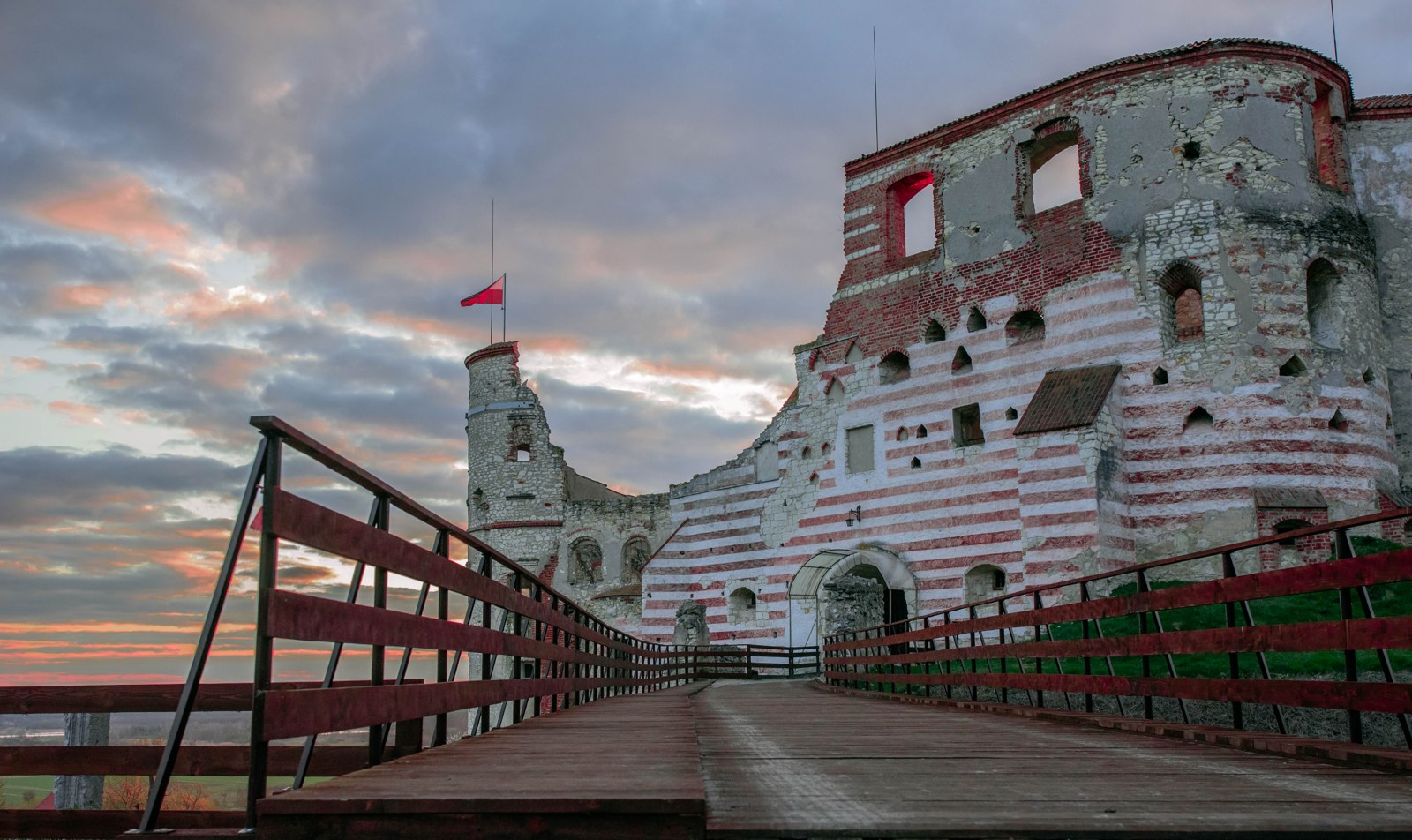
Janowiec Castle Museum
ul. Lubelska 20, 24-123 Janowiec
Janowiec Castle above the Vistula: a Renaissance ruin of the Firlej, Tarlo and Lubomirski families, tiered cloisters and an open-air park …
 History
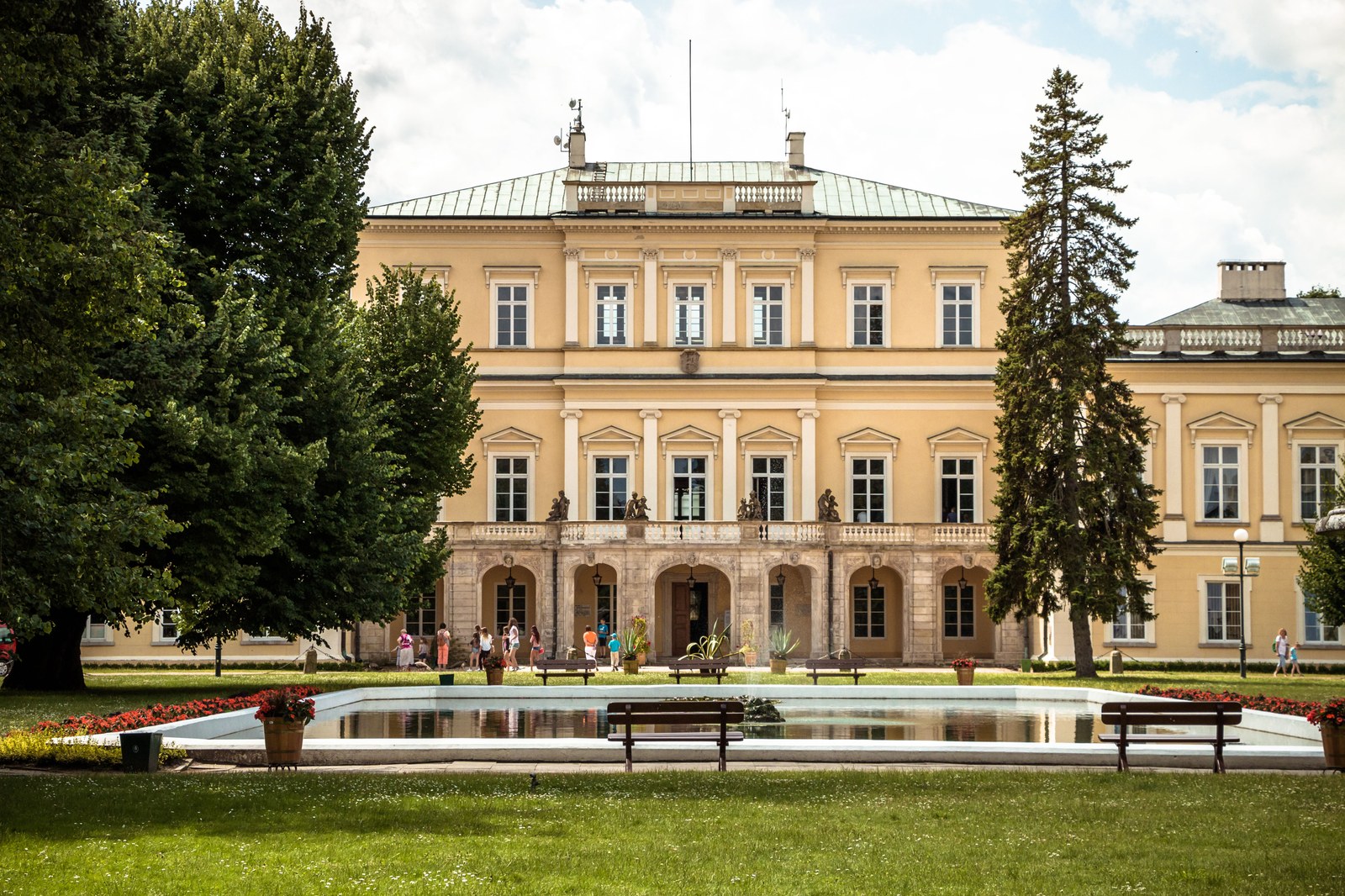
Czartoryski Museum in Puławy
ul. Czartoryskich 8, 24-100 Puławy
Czartoryski Museum in Puławy: the palace, Temple of the Sibyl and Gothic House where Polish museum collecting began in 1801. Open daily, …
 Culture
Closed
Culture
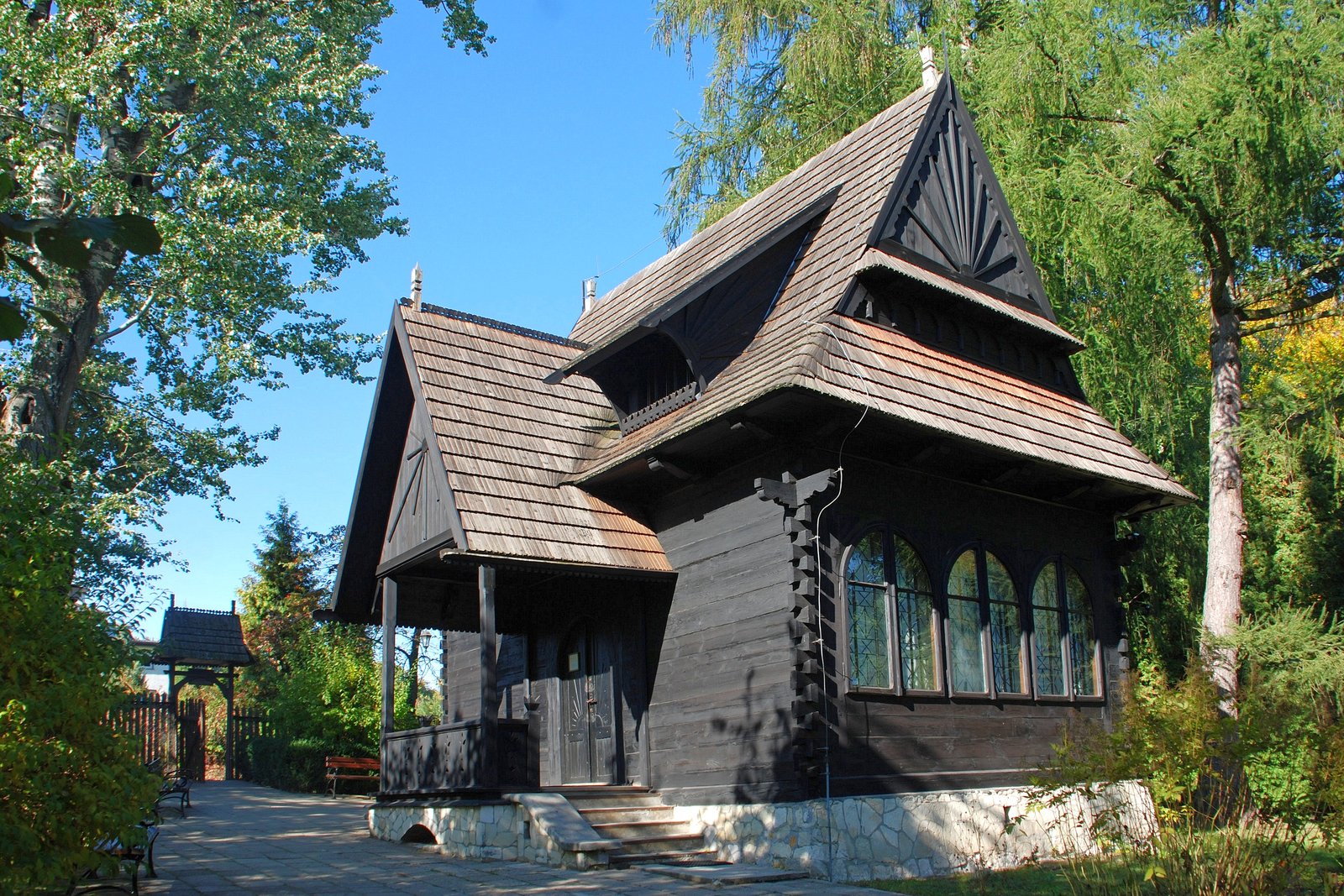
ClosedStefan Żeromski Museum in Nałęczów
ul. S. Żeromskiego 8, 24-140 Nałęczów
The Stefan Zeromski Museum in Naleczow fills the writer's wooden chalet of 1905, paid for with his fee for Ashes, with a mausoleum in its …