Regional Museum in Janów Lubelski
Muzeum Regionalne w Janowie Lubelskim
- Elevator: No
Location
What to expect
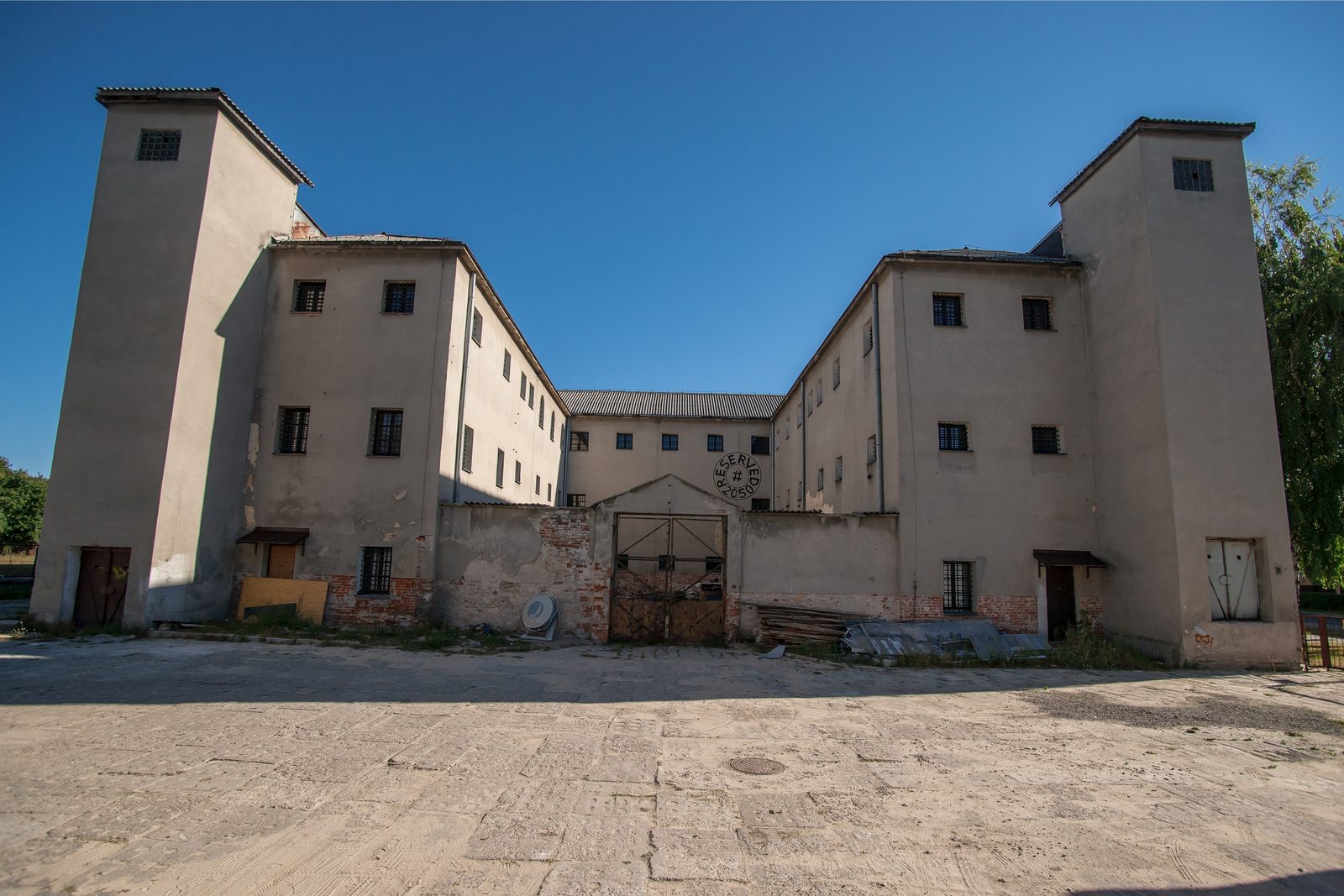
The Janów Lubelski museum is a weekday stop for travellers already on the S19 between Lublin and Rzeszów, or staying near the Janów Forests. What you come for is the building: a prison of 1825-1826 that one travel blog describes as reputedly the second-largest in the Lublin province under Russian rule. Three storeys, corner watchtowers, barred windows and a walled courtyard - give the outside as much of your time as the inside.
Inside, expect one room rather than a museum circuit. The former prison chapel has been the only display space in the building since 2012, because the restoration started in 2009 stopped after its first stage. The room rotates selections from four decades of collecting: the prison and its inmates, archaeology from the Janów district, and weaving. The weaving tools follow flax from the field through spinning wheel and winder to the loom.
Until 30 October 2026 it holds “Ostatnie strzechy” (roughly “The Last Thatched Roofs”), about 60 photographs by Tadeusz Stolarz of Antolin. From the 1960s he recorded the wooden cottages, farmyards and wayside shrines of the villages around Janów. The museum lists the show as free.
Temporary shows also go outdoors. From 12 June to 31 July 2026 the town square carried an open-air display on Hieronim Dekutowski, the postwar partisan commander known as “Zapora”, prepared by the Lublin branch of the Institute of National Remembrance. Whether the museum’s pottery from Łążek Garncarski is on view depends on the current rotation. The museum calls it the largest collection of its kind in Poland, with work by Mateusz Startek, a winner of the Oskar Kolberg Prize.
The museum’s other public face is a series of free talks in Polish, the “Czwartkowe spotkania muzealne” (Museum Thursdays). They take place at the office, ul. Jana Zamoyskiego 52, on the second floor of a building with no lift. The town portal described them in 2025 as monthly. The hour appears in each announcement: the latest, for 1 October 2026, gave 17:00.
Be clear about what you are walking into. In April 2025 the town’s own portal called both of the museum’s premises stopgaps, and described the part of the prison used for displays as unheated, with no reception, cloakroom or proper exhibition halls. The website has no English version, so assume Polish-only labels and do not count on English-speaking staff unless you arrange it by telephone.
Go if the subject already pulls you: penal history, the archaeology of one Polish district, Lublin-region folk pottery and weaving, or family roots in the area. Skip it if you want a full afternoon indoors or a rainy-day plan for children. For a regional museum refitted with screens and interactive stations, Kraśnik lies about 28 kilometres to the north as the crow flies.
Tips
- Make it a weekday morning. Doors open Monday to Friday, 7:30 to 15:30, and stay shut at weekends. Leave Lublin early, see the museum before noon and keep the afternoon for the Janów Forests or the reservoir; a weekend in the area cannot include the museum at all.
- Phone first, and carry some cash. There is no published admission price list and nothing about card payment. The office and the display room also sit at different addresses: ul. Jana Zamoyskiego 52 for the office, ul. Ogrodowa 3a for the exhibition. One call to +48 15 872 46 79 settles the price, the door and what is currently on show.
- Budget 45 minutes. That covers the display room plus a circuit of the prison walls. The museum suggests no visit length; this is our estimate from the number of rooms open.
- Keep your coat on. According to the town portal in April 2025, the prison building with the display room has neither heating nor a cloakroom. Between autumn and spring, dress as you would outdoors.
- No lift in either building. Both have three storeys. An accessible toilet exists only at ul. Ogrodowa 3a; both buildings have a marked disabled parking bay and admit assistance dogs. There is no Braille signage, no induction loop and no sign language interpreter.
- Groups must book a week ahead. A museum lesson costs 5 PLN per person for 45 minutes, a workshop 15 PLN per person for 90 minutes, Monday to Friday by arrangement. Topics stay local: the prehistory of the Janów district, reading bones and old burial customs, pottery, and seasonal crafts in winter.
- Take home the journal. “Janowskie Korzenie” has appeared twice a year without a break since 2003, 96 pages an issue: 20 PLN for current numbers, 10 PLN for back numbers, sold at the office on Zamoyskiego. It is in Polish, and it is where the museum’s real research ends up.
- Come in early July for the potters. Thirteen kilometres out of town, in the village of Łążek Garncarski, the museum runs the national potters’ meetings with free admission and working wheels; the 19th edition ran 2-4 July 2026. It is the one weekend a year when this museum’s subject is open on a Saturday.
Getting there
From Lublin by car: Janów Lubelski is 61 kilometres south of Lublin on the S19 expressway, about an hour’s drive; national road 74 also runs through the town. From Rzeszów it is 80 kilometres north on the same S19. There is a marked disabled parking bay behind the office on Zamoyskiego and another in front of the display building on Ogrodowa.
By bus: this is the realistic public-transport option. Minibuses and coaches on the Lublin - Kraśnik - Janów Lubelski route stop at the bus station in the town centre. The district authority publishes county timetables, and commercial carriers sell through the usual online ticket sites.
By train: not possible. Janów Lubelski has no passenger rail service; the bus via Kraśnik is the realistic option.
On foot: the two addresses are a few minutes apart in the centre. The display room stands where ul. Ogrodowa meets ul. Jana Pawła II, with a single street entrance. The office at ul. Jana Zamoyskiego 52 has a paved front entrance and stepped access at the back.
Nearby
Janów borders the Biłgoraj country, so the Biłgoraj regional museum is the natural companion for the same mix of local history and ethnography. If Janów leaves you wanting a fully rebuilt regional museum, drive to the Kraśnik regional museum , about 28 kilometres north as the crow flies, reopened in 2020 with a display on the 24th Uhlan Regiment. Heading on into the Roztocze hills, Guciów farmstead shows the same rural material culture in its own buildings, not behind glass.
Background
Today’s museum office occupies the attic of the old district chancellery, known locally as the old post office. The town’s first museum opened in May 1919 in the attic of that same building. Its founder, the folk-art ethnographer Tadeusz Seweryn, was hiding in Janów under an assumed name, Maksymilian Kulesza, after the Oath Crisis of 1917. His County Museum had four sections and lasted less than two years; Seweryn later wrote that its collection had been wasted and plundered.
The present institution grew from the prison instead. A Museum of Armed Struggle opened there on 10 June 1984 and became a branch of the district museum in Sandomierz on 1 January 1986. A full restoration of the building began in 2009 and halted after the first stage, leaving only the chapel to reopen in 2012.
On paper, the Regional Museum dates from a town council resolution of 21 July 1992. It spent the years from 1993 inside the local cultural centre and became independent again on 30 December 1996, with departments of history and art, ethnography, archaeology and a photography gallery.
Temporary exhibitions here
The Last Thatched Roofs
12 August 2026 - 30 October 2026
Some 60 photographs of thatched cottages around Janów Lubelski, taken by Tadeusz Stolarz from the 1960s; free entry, former prison, until 30 October 2026.
Nearby museums
 History
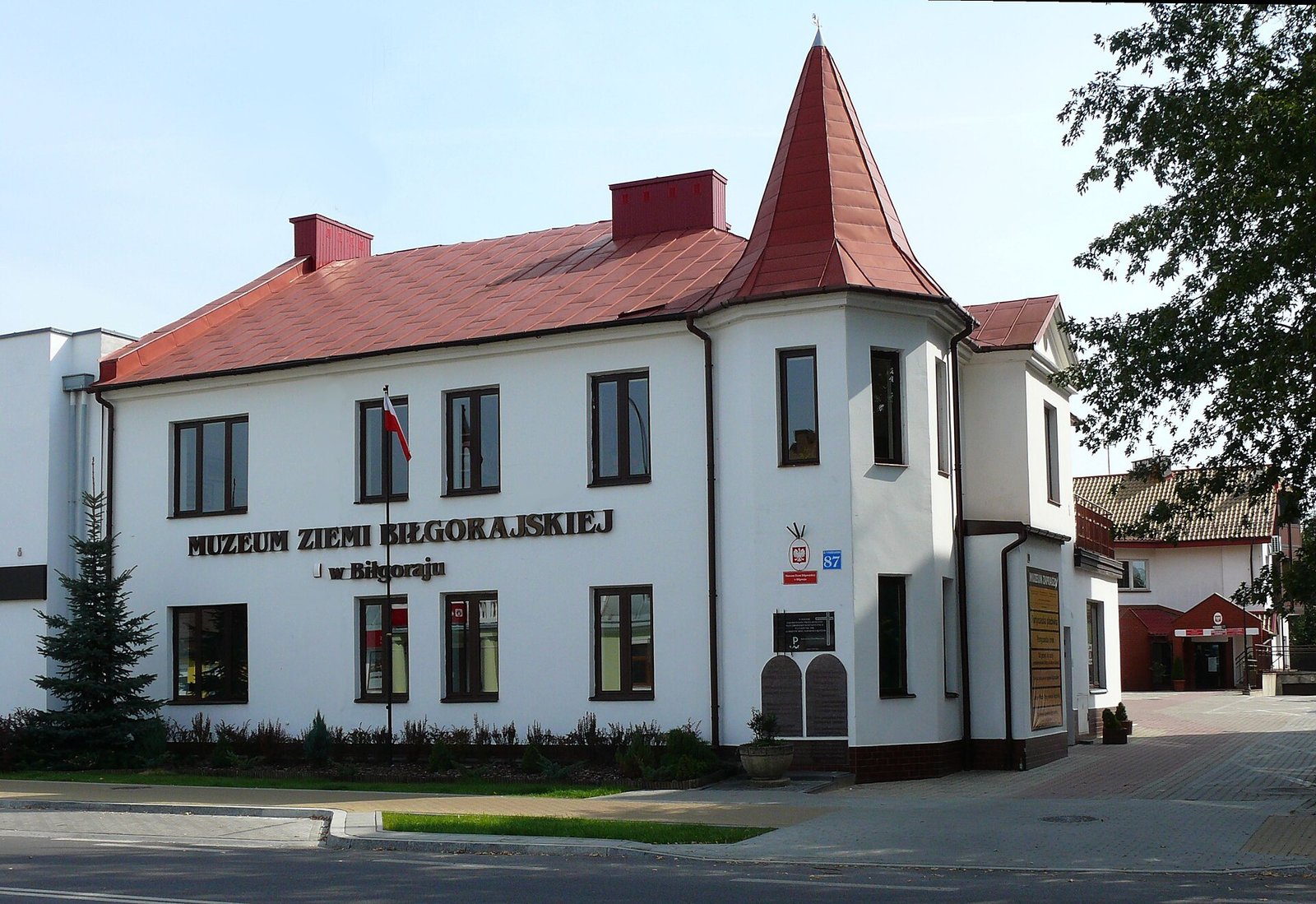
Museum of the Biłgoraj Land in Biłgoraj
ul. Tadeusza Kościuszki 87, 23-400 Biłgoraj
Bilgoraj museum at Kosciuszki 87 in south-east Poland: regional history display, ethnographic branches, tickets 10 PLN, free entry every …
Regional Museum in Kraśnik with the Museum of the 24th Uhlan Regiment
ul. Józefa Piłsudskiego 7, 23-200 Kraśnik
A branch of the National Museum in Lublin at Pilsudskiego 7 in Krasnik: three permanent displays on cavalry history and the 1914 battle of …
 Culture
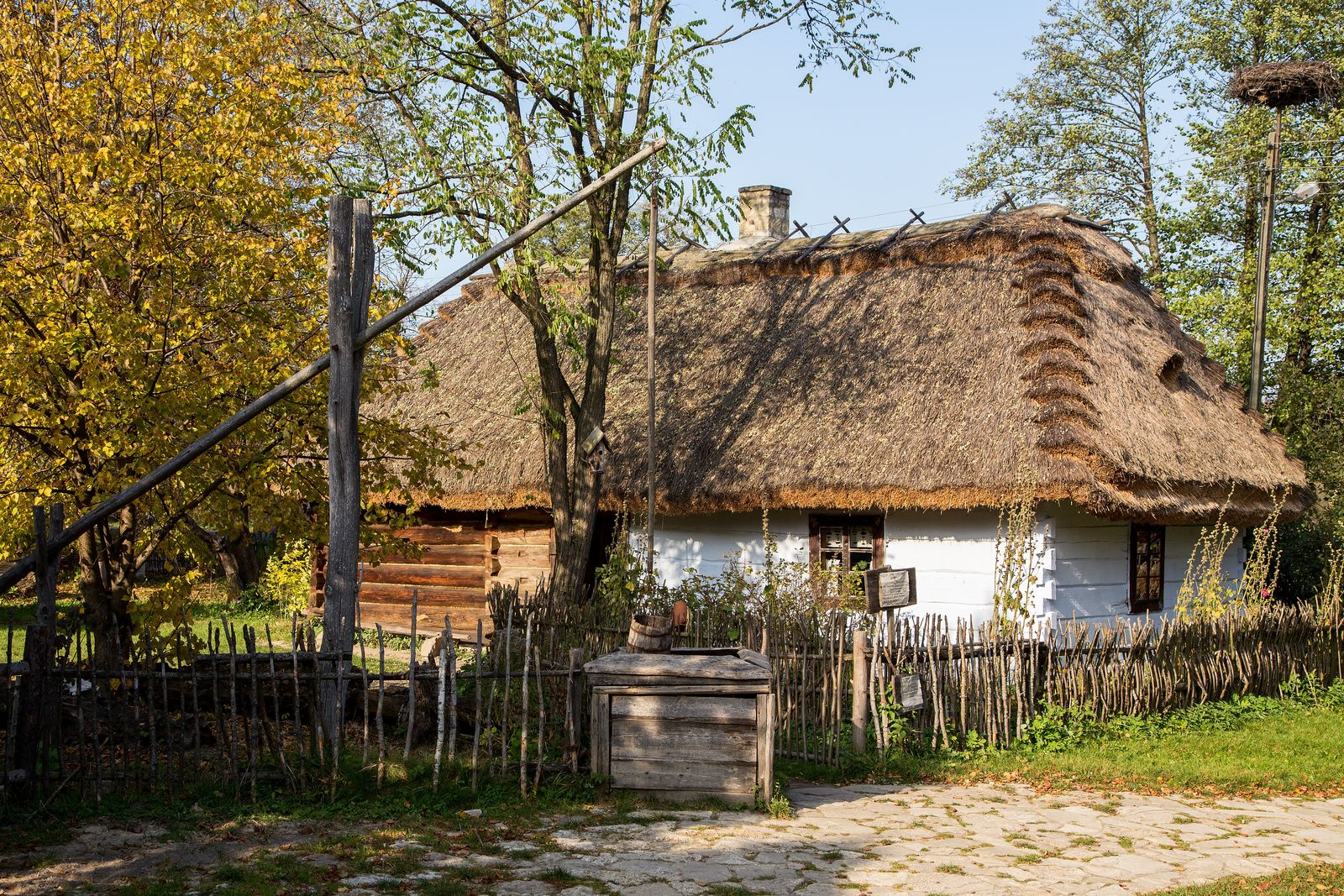
Guciów Farmstead - Ethnographic-Natural History Museum
Guciów 19, 22-470 Zwierzyniec
The Guciów farmstead museum on the Roztocze: the Zakłodzie meteorite, dinosaur tracks and an 18th-century cottage. Guided tours, full ticket …