Father Stanisław Staszic Museum in Hrubieszów
Muzeum im. ks. Stanisława Staszica w Hrubieszowie
Location
What to expect
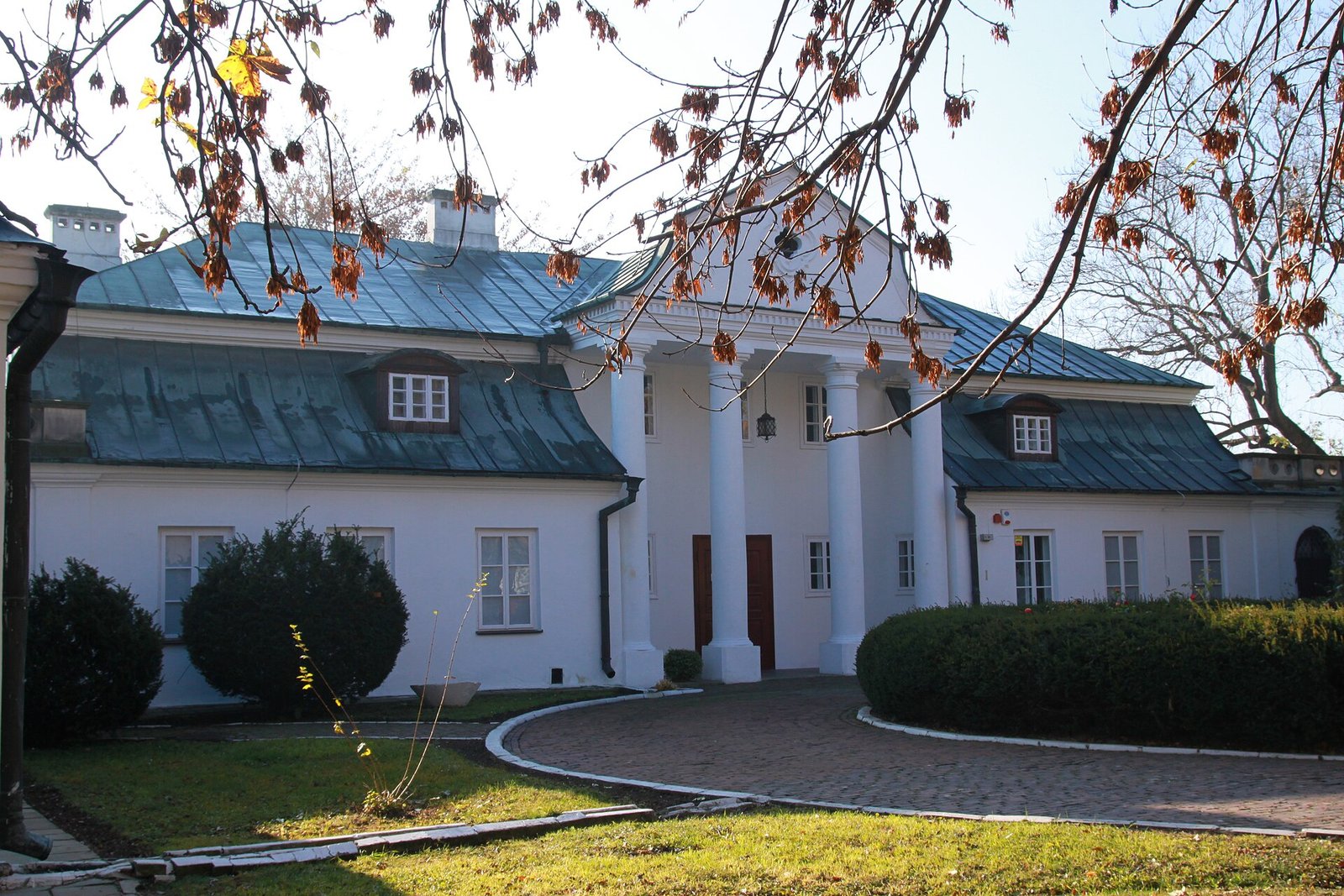
Hrubieszow sits in Poland’s far south-eastern corner, close to the Ukrainian border, and the reason to stop is what came out of the ground around it. The Hrubieszow Basin is one of the most thoroughly excavated landscapes in Poland, and the archaeology room is where the museum in Hrubieszow earns the detour. The cases hold copper ornaments of the Neolithic Lublin-Volhynian culture from Gródek, three funnel-beaker vessels whose handles are modelled as rams’ heads, and a bronze hoard from Kułakowice.
Best of all, grave goods of the Masłomęcz group - the Goths who lived on this stretch of the Bug in the Roman period. The coin cabinet holds an aureus of Postumus and a barbaric imitation of a Roman solidus.
The other four displays are quieter. History runs from the Middle Ages to the later 20th century with militaria and money; ethnography covers crafts, customs and rituals; one room is given to the museum’s patron and the Hrubieszow Agricultural Society he founded here in 1816; the art gallery includes paintings and kilims by Paweł Gajewski. All of it fits into the du Chateau manor of 1791, a single-storey house with a mansard roof and a recessed four-column portico, the build date carved into the pediment.
Worth the drive if Roman-period archaeology, the Gothic presence in eastern Europe or early cooperative history is why you travel. Not worth it if you want interactive displays or art of national rank - the cases are traditional, and outside the archaeology room this is a county museum doing county-museum work. Allow an hour for all five rooms. The building also houses the town library and a local society office, so midweek it is a working institution with people coming and going.
Tips
- The free day moves with the season. Saturdays from 1 September to 30 June, Mondays in July, Thursdays in August. Arriving on a Saturday in August means paying the full fare - the single most common trap here.
- Tickets at the desk only. Standard 8 PLN, reduced 4 PLN, senior 6 PLN. There is no online sale and no timed entry, so you can simply walk in. Bring cash as a fallback; the museum publishes no card policy.
- Allow one hour. Five rooms in a small manor read comfortably in about 60 minutes, and that is the museum’s own published figure: its price list gives the visit duration as about 1h.
- Go straight to the Gródek material. The ram’s-head vessels, the Lublin-Volhynian copper and the Masłomęcz-group burials are the collection’s argument. Skip the art room unless regional Polish painting interests you.
- Label languages are not published. The museum says nothing about English signage or an audio guide in the manor, so there is no way to know before you arrive. Come with a translation app on your phone as insurance.
- Photograph, but do not post. Photography on both permanent and temporary displays is free for private use, and the museum explicitly forbids publishing the images in print or online. Worth knowing before you upload anything.
- Masłomęcz is a separate half-day. The underground Laboratorium Historiae Gothorum opened on 28 April 2026 and, with the film, takes about 1.5 hours by the museum’s own estimate; add the reconstructed Goth village and count on two. Tickets are 20 PLN for the exhibition, 15 PLN for the village, 30 PLN combined. The documentary runs in Polish with English, German or Ukrainian subtitles - the only English-language provision the institution publishes.
- Accessibility is unknown. The museum publishes no accessibility information - call before visiting. Masłomęcz hours are announced season by season with a last-entry rule, and the published timetable is not always current, so the same call saves a wasted 10-kilometre drive.
Getting there
On foot: ul. 3 Maja 11, a few minutes from the middle of Hrubieszow, beside Park Solidarności and the channelled Huczwa river where the manor’s walking garden and sundial once stood. One visitor’s warning: the park holds a loud colony of rooks.
By car: about 120 kilometres from Lublin, a good two hours, via either Zamosc or Chelm. From Zamosc it is roughly 50 kilometres, from Chelm roughly 70. The museum publishes no parking information, so expect to park on the streets around the centre.
By bus: regional and long-distance coaches connect Hrubieszow with Lublin, Zamosc and Chelm; from the bus station the manor is a short walk. The museum lists no local bus route on its site, so check timetables with the carrier.
To Masłomęcz: the second site at Masłomęcz 99A is about 10 kilometres east of town and needs your own transport.
Nearby
If you are already this far east, pair Hrubieszow with one of its neighbours. The Museum of the Chełm Land is 70 kilometres north and covers the same Bug borderland, stronger on the town’s own past than on prehistory. The Zamosc Museum sits on the natural route in from Lublin and supplies the Renaissance town and its aristocratic story, which Hrubieszow by its nature does not tell. The regional museum in Tomaszow Lubelski is the one to add if you are heading south-west into the Roztocze hills.
Background
The manor was built in 1791 on the site of a castle destroyed in 1648 by Bohdan Khmelnytsky’s forces. In 1800 the Hrubieszow estate was bought on behalf of Father Stanisław Staszic, priest, geologist and reformer. In 1816 he set up the Hrubieszow Agricultural Society here, one of the earliest cooperative bodies on Polish soil and the reason his name is on the door.
From 1859 the house belonged for more than a century to the du Chateau family and held a pharmacy. German forces rebuilt the interiors during the occupation, and after the war the local NKVD used the building.
The museum opened on 6 November 1965 on the initiative of the Hrubieszow Regional Society, moved its collections into the manor in 1972 and unveiled the restored permanent displays in December 1984. Between 1972 and 1999 it was a branch of the regional museum in Zamosc before regaining independence; the Hrubieszow county runs it today.
Its archaeological vocation is older than the institution. The first excavations anywhere in the Lublin region were dug in the 1820s by Adam Czarnocki, known as Zorian Dołęga Chodakowski, at Gródek where the Huczwa meets the Bug. The museum returned there in August 2026 with a geomagnetic survey.
Nearby museums
 History
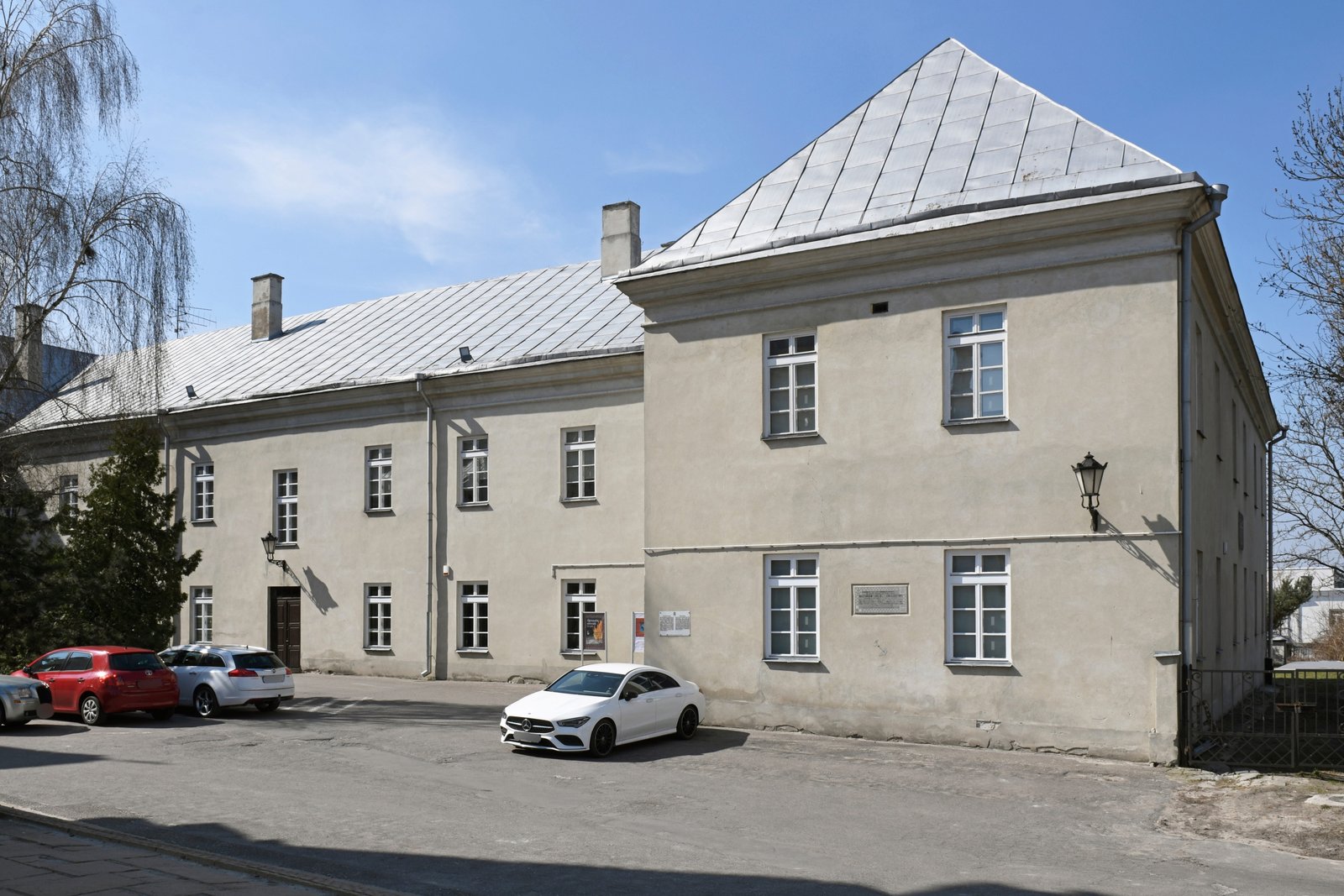
Wiktor Ambroziewicz Museum of the Chełm Land
ul. Lubelska 55, 22-100 Chełm
The regional museum of Chełm in eastern Poland fills four historic buildings with archaeology, ethnography and art. A pass costs 40 zl and …
 History
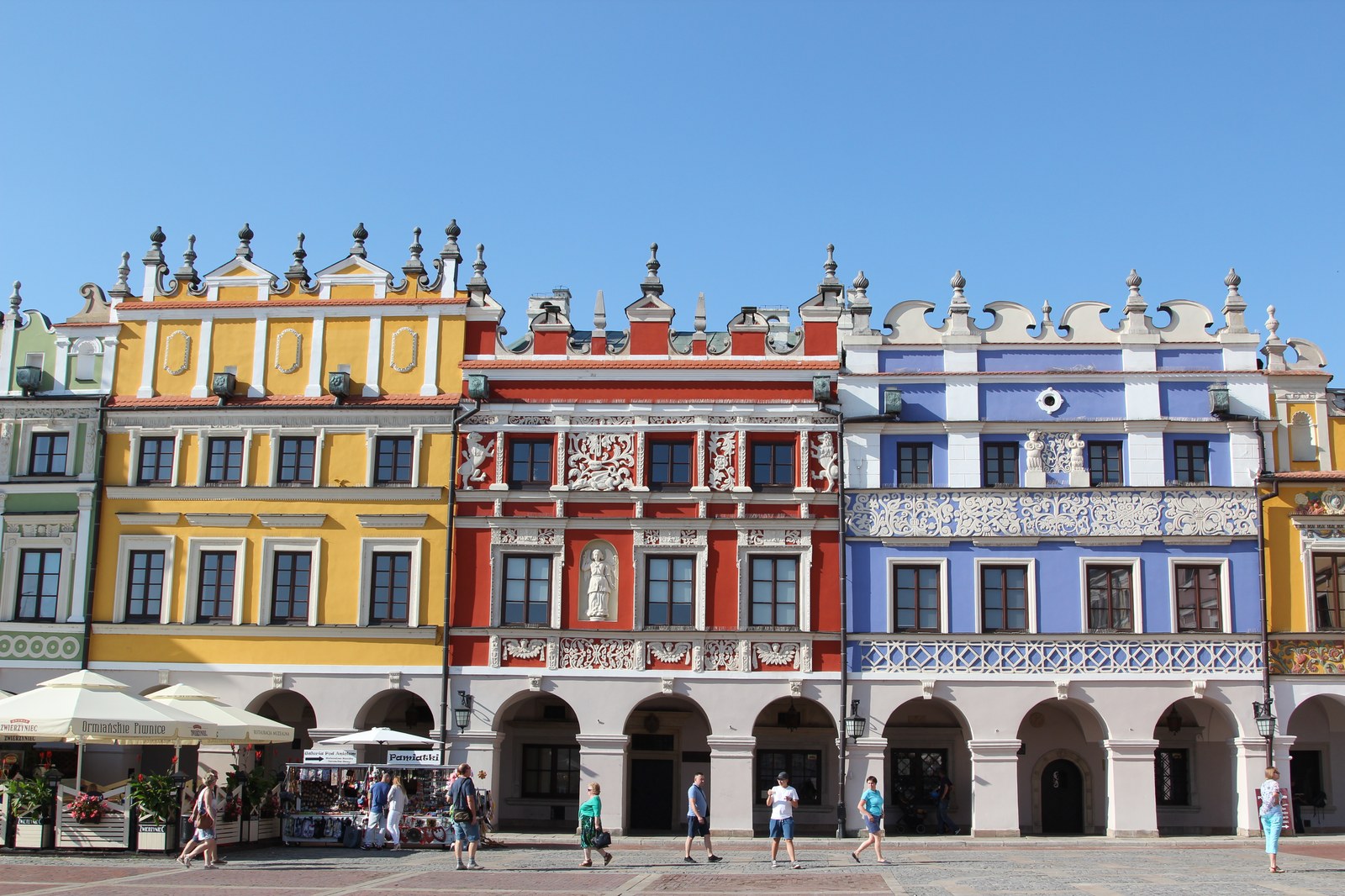
Zamość Museum
ul. Ormiańska 30, 22-400 Zamość
The museum in Zamosc fills 17th-century Armenian merchant houses on the UNESCO-listed Great Market Square. Four permanent displays, tickets …
 History
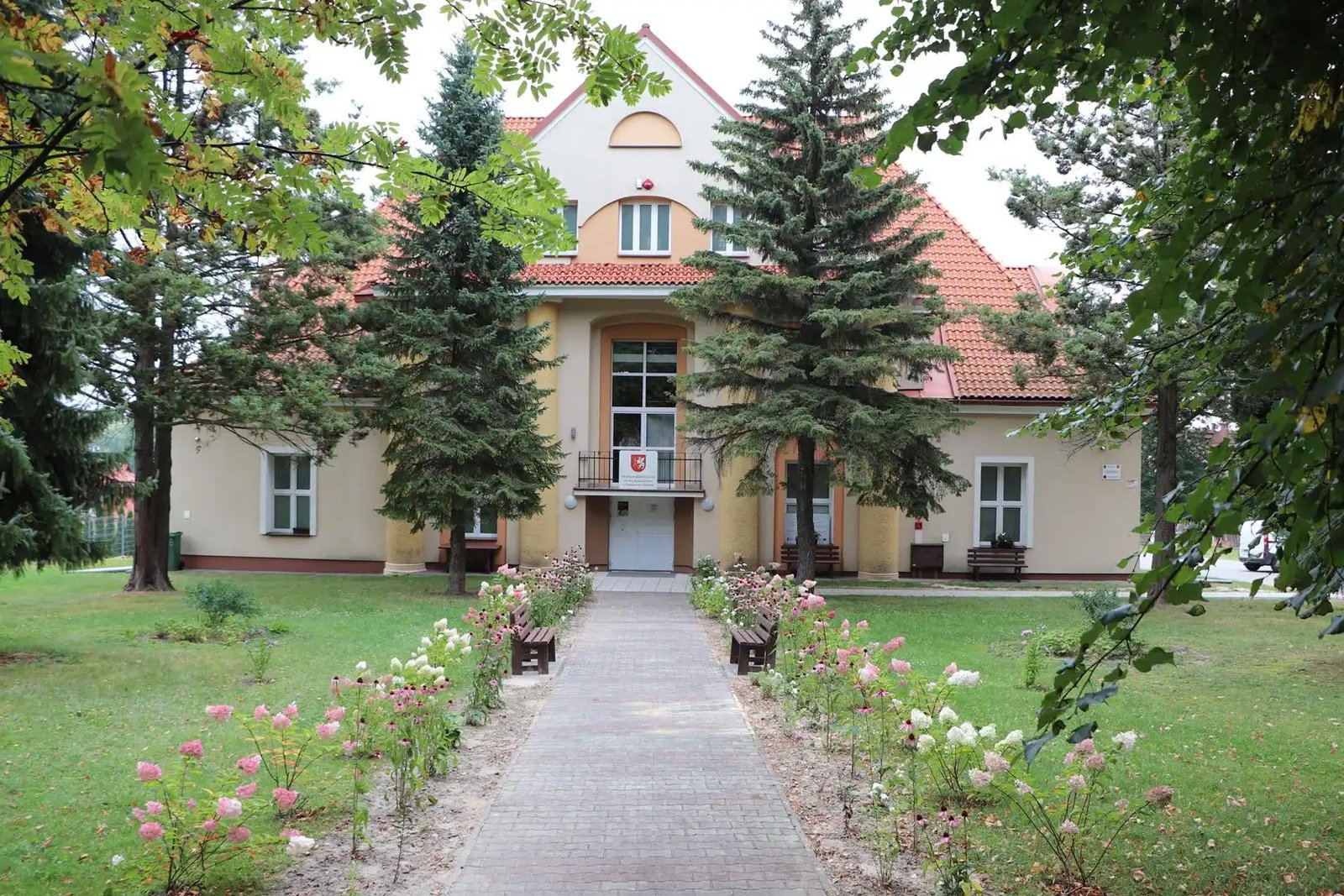
Janusz Peter Regional Museum in Tomaszów Lubelski
ul. Wyspiańskiego 8a, 22-600 Tomaszów Lubelski
Janusz Peter Regional Museum in Tomaszów Lubelski: some 15,000 objects and a permanent display on the September 1939 battles fought here. …