Museum of the Polish Air Force in Dęblin
Muzeum Sił Powietrznych w Dęblinie
- Wheelchair: Yes
Location
What to expect
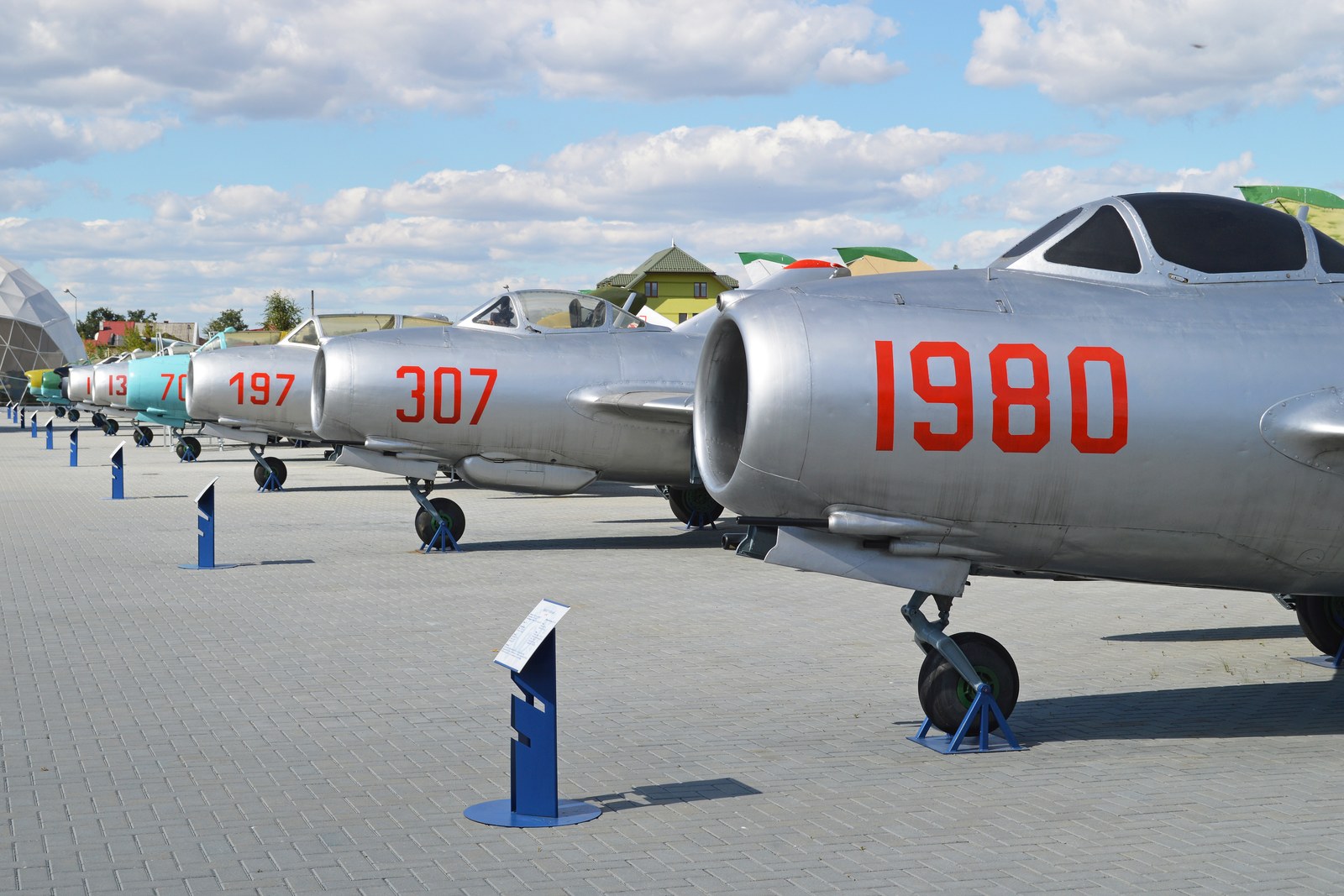
The Polish Air Force Museum in Dęblin parks more than 80 aircraft and helicopters on four hectares of open ground. On a working day the training jets of the flying school next door pass overhead while you walk it, and that neighbour is the point. Dęblin has trained Poland’s military pilots since 1927 at the academy everyone here calls the School of Eaglets, and the museum grew straight out of its collection.
Indoors, in halls opened in 2017, the permanent exhibition runs from the pioneers of the 1900s to the present-day air force, with a long stretch on flying training in this town. You get a replica Fokker D.VIII with a mechanics’ workshop, a reconstructed Battle of Britain dispersal hut and an operations bunker screening authentic 1940 footage.
The object that matters most never flew: the standard of the Polish Air Force in the West, sewn in Vilnius in 1940. General Władysław Sikorski handed it to the exiled airmen at RAF Swinderby a year later. It came home in 1992 and reached Dęblin in 2012.
Outside stand MiG-21 and MiG-23 fighters, Il-28 bombers, Su-7, Su-20 and Su-22 strike aircraft and the Mi-24 gunship - in the museum’s own words, “a world-unique collection of fighter aircraft from behind the Iron Curtain”. Polish designs fill the other rows: TS-8 Bies, TS-9 Junak-3, TS-11 Iskra, I-22 Iryda, plus missile batteries, anti-aircraft guns and radar trucks.
Several machines can be entered: the C-130 Hercules, a government Yak-40 and an An-26 are included in the ticket, and for a 4 PLN surcharge, from 1 April to 30 September only, the only Mi-6A left in Poland. A hangar holds the aviation technology display: piston and jet engines, restored An-2, Yak-18 and PZL-130 Orlik airframes; entry costs 4 PLN, or 7 PLN together with the Mi-6A.
For an aviation reader this is worth the 140 km detour from Warsaw; for anyone else it is a field of grey metal. Visitors report bilingual Polish and English signage, but the captions are written for adults with some background, so a child under seven will need everything explained.
Two thirds of the value is outdoors, which means heavy rain or a hard frost kills the visit - postpone rather than endure it. Allow two hours, or two and a half if you want the boardable aircraft and the hangar.
Tips
- Tuesday is free: the permanent exhibition costs nothing on Tuesdays, and Tuesday is also a working day when the flying school is in the air above you. The price list ties the free entry to the permanent exhibition and prices the Mi-6A and the hangar separately, so expect to pay those surcharges.
- Buy the package, not two tickets, April to September only: entering the Mi-6A helicopter costs 4 PLN and the hangar technology display another 4 PLN, but the two together are 7 PLN; the Mi-6A and the package are sold only from 1 April to 30 September. Ask for the package at the till, because there is nowhere to pay once you are out on the field.
- Allow 90 minutes for the field alone, two and a half hours for everything: the museum publishes no suggested visit length, so these figures are our own estimate. The open-air field alone is ninety minutes at walking pace; the boardable aircraft and the hangar push it to two and a half.
- Dress for the weather: there is almost no shade or cover on the display apron, while the halls are air-conditioned in summer and heated in winter. In heat start outside, in cold start indoors.
- Prices and last entry: 35 PLN full price, 21 PLN concession, 85 PLN family (one or two parents with children under 18), 21 PLN per head for groups of 15 or more. The ticket desk closes 45 minutes and the shop 30 minutes before the exhibitions do.
- English guide, booked ahead: a tour in English costs 150 PLN per hour or 200 PLN for ninety minutes, against 100 and 130 PLN in Polish. Book three days ahead for a Tuesday-to-Friday visit and five days ahead for a Saturday or Sunday; individual visitors need no reservation at all.
- Check the closure calendar: in 2026 the exhibitions were also shut on 1 and 6 January, plus 5 to 31 January for stocktaking. They also closed on 4-6 April, 17 and 24 May, 4 June and 4-5 September. For the rest of the year the museum will be closed on 1 November and on 24-26 plus 29-31 December. It stayed open on 1 and 3 May and 15 August, and it will be open on 11 November too.
- Wheelchairs, dogs, food: there is a ramp and free accessible toilets, only guide dogs are admitted, eating and drinking are not allowed on the exhibition, and children under 13 must be with an adult.
Getting there
By train: this is the sensible option without a car. Dęblin sits on the main Warsaw - Lublin line, and the museum gate is about 2 km from the station, roughly 25 minutes on foot. The museum does not publish that distance; it is measured from the map.
By car: ul. Lotników Polskich 1, entered from ul. Warszawska beside the army pass office. Parking for cars and motorcycles is free, coaches have their own area and there is a bicycle rack. The car park is small for weekend traffic and the museum closes it outright for big events, as it did on 11 August and 15 September 2026. Check the museum’s notices about roadworks on national road 48 before you set out.
By bus: stops sit right at the entrance, served by the town’s municipal transport and private carriers; timetables are published by the Dęblin city information service.
Distances: about 140 km from Warsaw, about 25 km from Puławy. Dęblin lies at the north-western tip of the Lublin region, where the Wieprz joins the Vistula.
Nearby
Dęblin itself will not hold you long, but three very different collections sit within half an hour’s drive. The closest is the Czartoryski Museum in Puławy - a palace, a landscape park and a 30 PLN ticket. It makes the best second half of the day, because the jump from a MiG to the Temple of the Sibyl is the whole point.
Further down the Vistula, the Vistula Museum in Kazimierz Dolny deserves its own day rather than a hurried add-on. To the east, the Zamoyski palace at Kozłówka keeps a complete aristocratic interior for 60 PLN - slower and dearer than Dęblin, and the only interior of that class around here.
Background
The museum was created on 1 April 2011 by order of the Minister of National Defence, built on the aviation collection assembled by Dęblin’s Air Force Officer School. The ceremonial opening followed on 26 August 2011, which made the 2026 season its fifteenth.
The scale came later. The exhibition hangar opened on 7 March 2017, more than doubling the indoor display area and adding multimedia; the Mi-6A had arrived from the Łódź collection a year earlier, the only surviving example in Poland. The museum also runs a branch far outside the region, the Anti-Aircraft Defence Museum in Koszalin, whose exhibition opened on 10 January 2017. Do not plan on both in one trip.
Nearby museums
 History
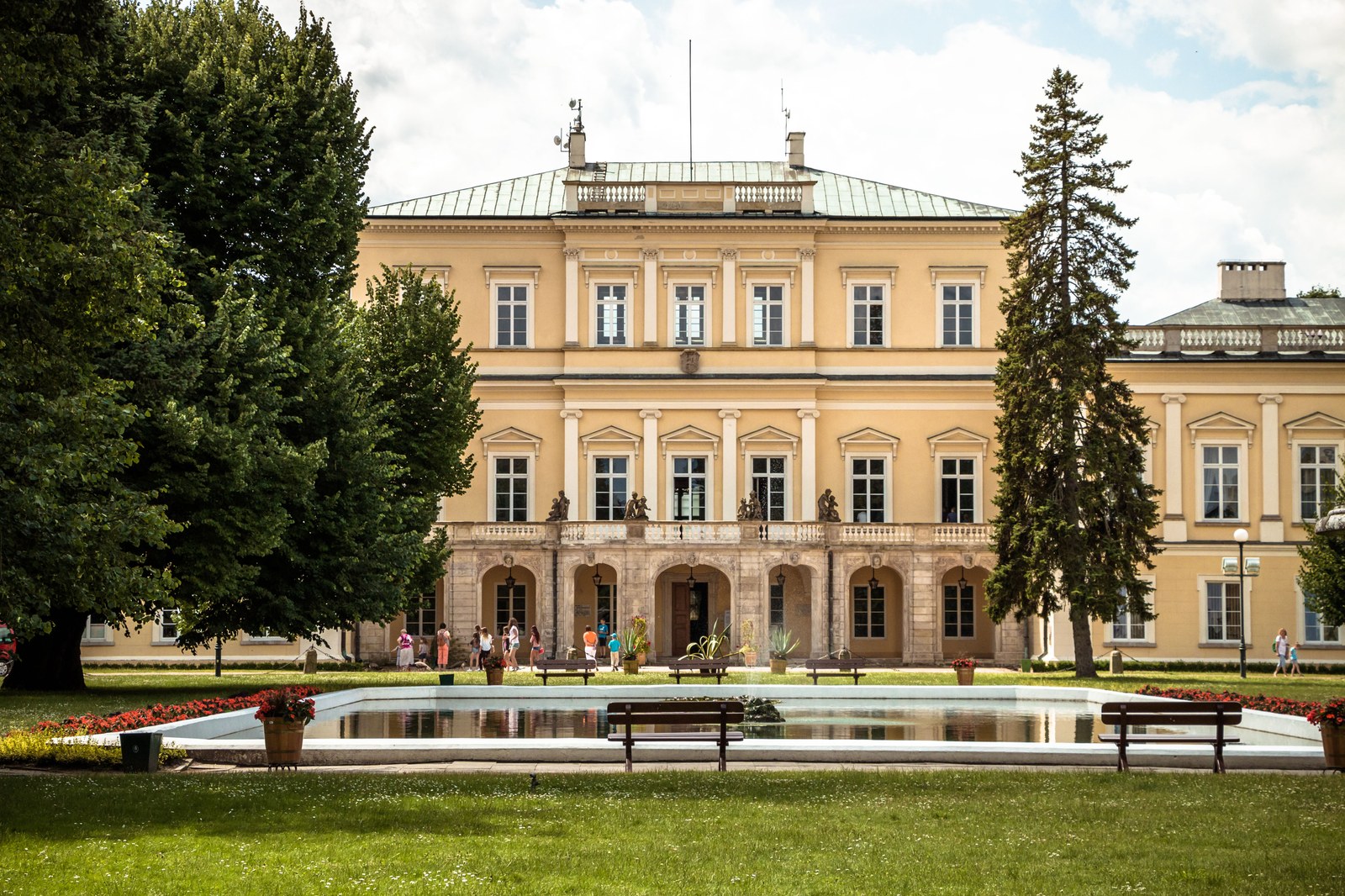
Czartoryski Museum in Puławy
ul. Czartoryskich 8, 24-100 Puławy
Czartoryski Museum in Puławy: the palace, Temple of the Sibyl and Gothic House where Polish museum collecting began in 1801. Open daily, …
 Art
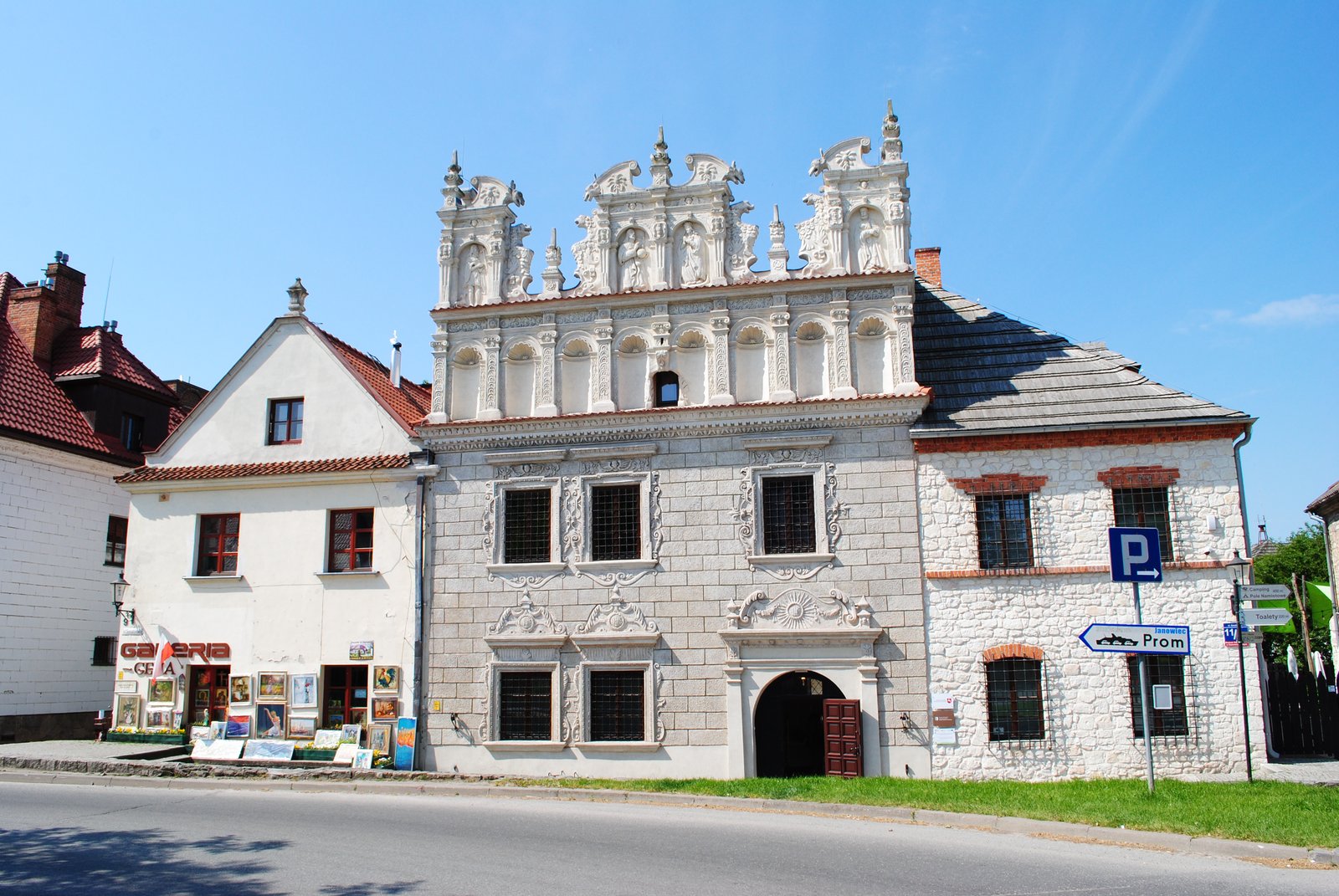
ArtVistula Museum in Kazimierz Dolny
ul. Rynek 19, 24-120 Kazimierz Dolny
Museum in Kazimierz Dolny: five branches, over 20,000 objects, Poland's only goldsmithery museum and the Kuncewicz House. Hours, tickets, …
 Art
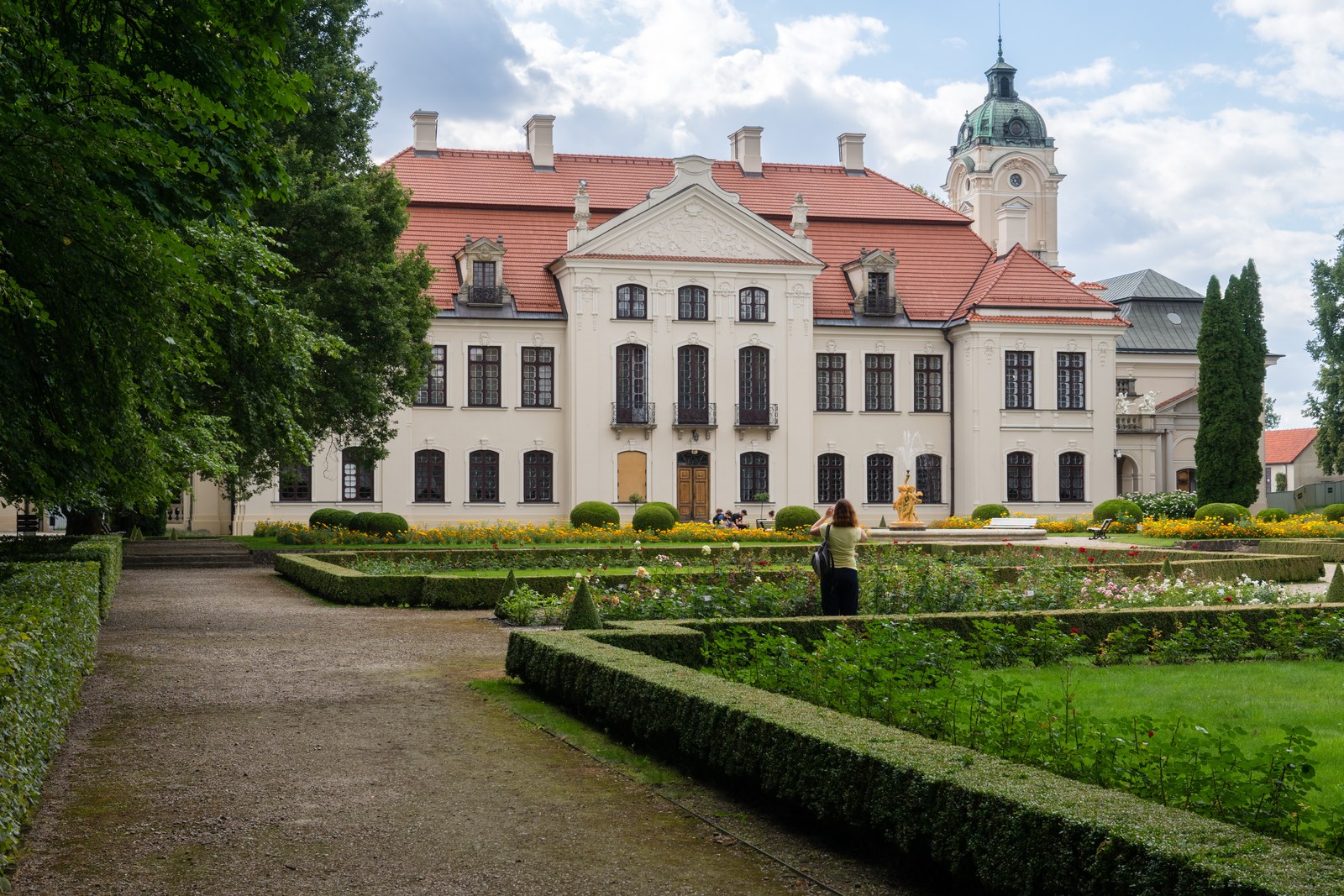
ArtZamoyski Museum in Kozłówka
Kozłówka 3, 21-132 Kamionka
Kozlowka palace museum north of Lublin: intact Second Empire Zamoyski interiors plus a Socialist Realism gallery. Palace ticket 60 PLN, free …