Krystyna and Włodzimierz Tomek Natural Science Museum in Ciężkowice
Muzeum Przyrodnicze im. Krystyny i Włodzimierza Tomków w Ciężkowicach
- Wheelchair: Yes
Location
What to expect
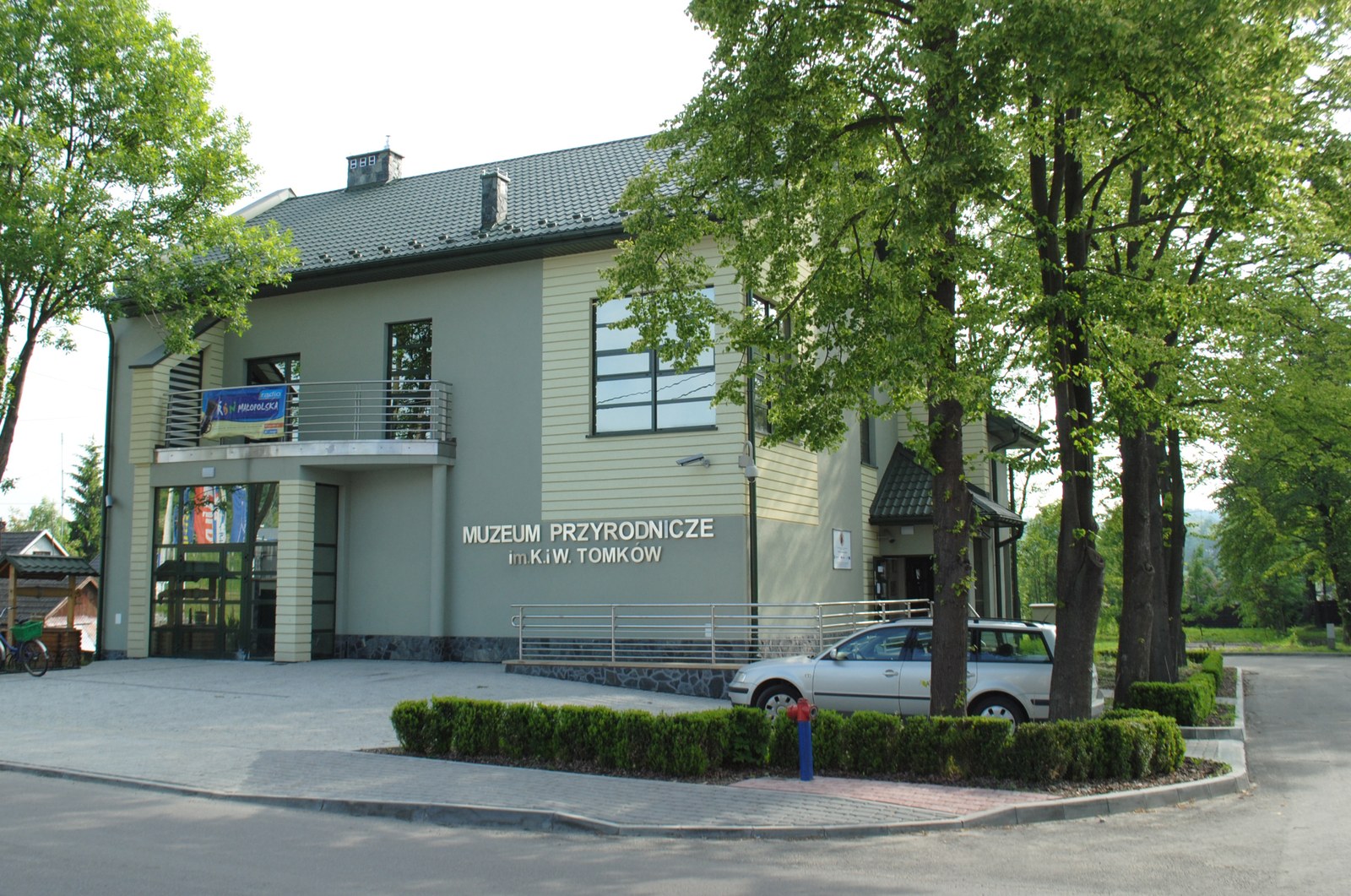
The Ciężkowice natural history museum is one couple’s fifty-year wildlife collection, bought by the municipality after the collector died and rebuilt as a lit-and-narrated display. Two floors, in a small town 90 km east of Kraków. It is not a big museum, and it does not pretend to be one.
The backbone is roughly 200 bird species arranged systematically, plus around 500 insects (some 300 of them butterflies), more than a hundred plant models, hunting trophies and fossils. Over twenty species come from Poland’s Red Book of Animals, several of them now extinct. On the ground floor a narrated presentation of about 30 minutes runs the room: cases light up in sequence while the soundtrack plays, with deer, wild boar and beaver standing between them. Upstairs holds more cases and the large mammals - European bison, moose, wolf, bear.
Two things stay with visitors more than the taxidermy. A glass floor over a reconstructed habitat, lit by buttons you press yourself, which is where children stop moving. And the “bathyscaphe”, a small room dressed as a submarine showing a 13-minute film about the Biała River.
Language matters here. The narration and the films are in Polish, and the museum advertises no audio guide and no foreign-language tour; some cases upstairs carry no descriptive label at all. The birds, the mammals and the glass floor still work without a word of Polish, but the 30-minute presentation - the thing you are paying for - will pass you by. Best for families with children roughly 6 to 13 and for birdwatchers who want the foothills avifauna in one room. Teenagers are the worst fit. As a stand-alone reason to drive out from Kraków it does not hold up; as one stop in a Ciężkowice day with the Petrified City it does.
Tips
- Ask for the light-and-sound mode. The narrated presentation with the sequentially lit cases has to be requested at the ticket desk - it does not start on its own. Without it you are walking past ordinary display cases.
- Watch the closing time. Monday to Thursday the museum closes at 16:00 and the last entry is an hour earlier, so arriving after 15:00 means not getting in. Friday, Saturday and Sunday run until 18:00.
- Allow an hour. The ground-floor presentation is 30 minutes, the upper floor another 10 to 15. Add the bathyscaphe film and you are at 90 minutes.
- The bathyscaphe film is skippable. Visitors consistently call it slow, and the version made for small children tires even them. Ask which version is playing before you sit down.
- Assume Polish only. The museum publishes nothing about English labels, an audio guide or a foreign-language tour, and every visitor account describes a Polish narration. Bring a translation app for the upper floor or come with a Polish-speaking companion.
- Tickets at the door only. 15 PLN full, 10 PLN reduced, no online sales and no timed slots. A guide for a group of up to 30 costs 60 PLN; larger groups are split in two.
- Four attractions, four tickets, three addresses. The same operator runs the Petrified City reserve (7/5 PLN), the Ecological Education Centre at ul. Parkowa 4 (20/15 PLN) and the Treetop Path at Zakole 12 (40/35 PLN). There is no combined ticket, and the treetop path is 2.5 km from the market square - that one needs a car.
- The museum lives on group tours. Coach parties are its main traffic. A Friday afternoon or a weekend gives you the room.
Getting there
By car: Ciężkowice lies about 90 km east of Kraków; the drive via Tarnów takes roughly an hour and a half. The museum is at ul. 3-go Maja 34, about 600 m from the market square on the road out towards Gromnik, with free parking beside the building.
By train: the stop is called Bogoniowice Ciężkowice, on line 96 from Tarnów towards Krynica-Zdrój. PolRegio and Koleje Małopolskie regional trains stop here, as do TLK and IC services running to Krynica. There is no ticket office - buy before you travel or in an app. A Park&Ride car park sits next to the stop.
On foot: the walk from the market square to the museum takes about 10 minutes along ul. 3-go Maja. The Petrified City reserve begins roughly 700 m south of the centre, so the museum and the rock formations can be combined without a car.
Nearby
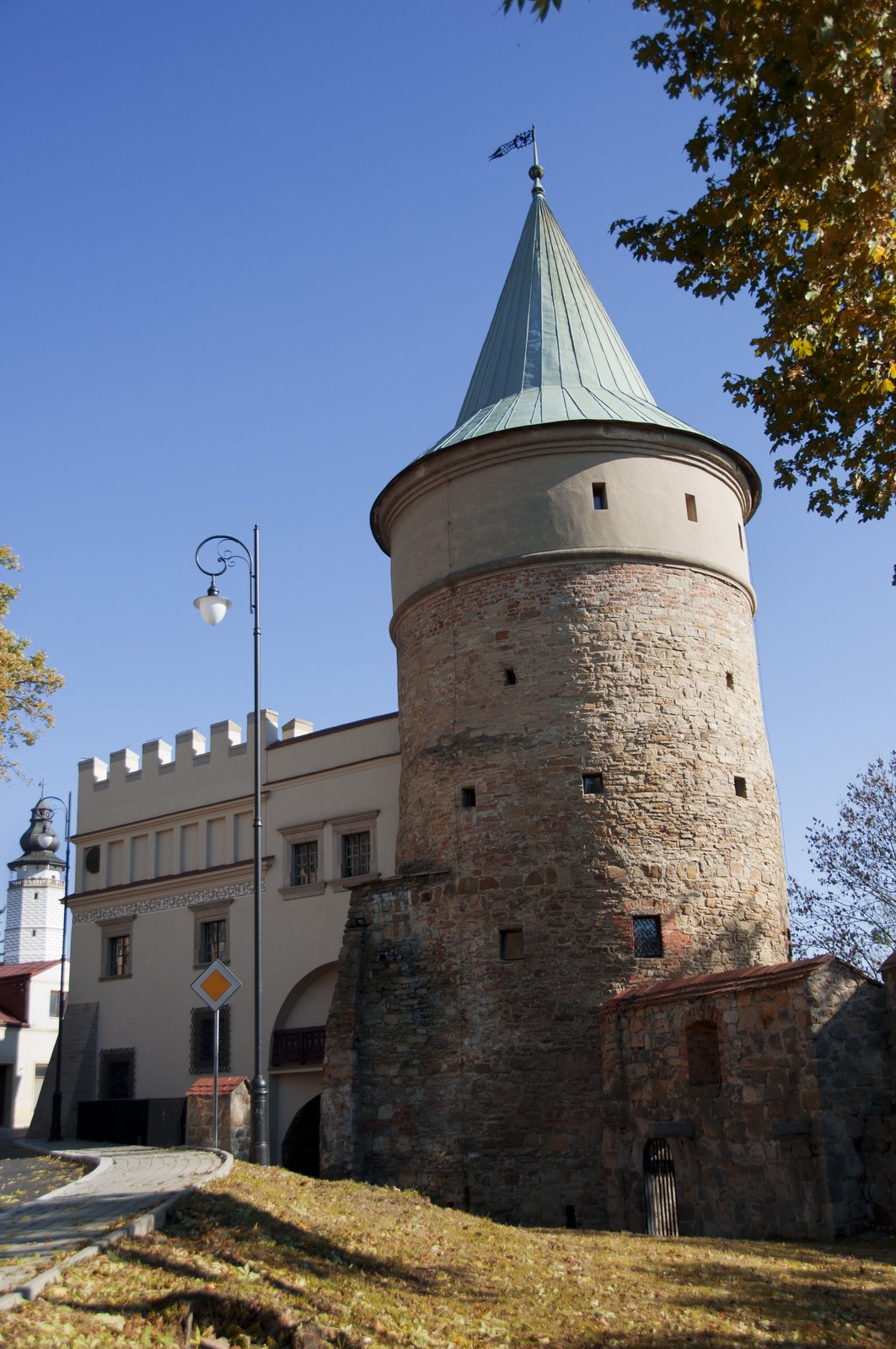
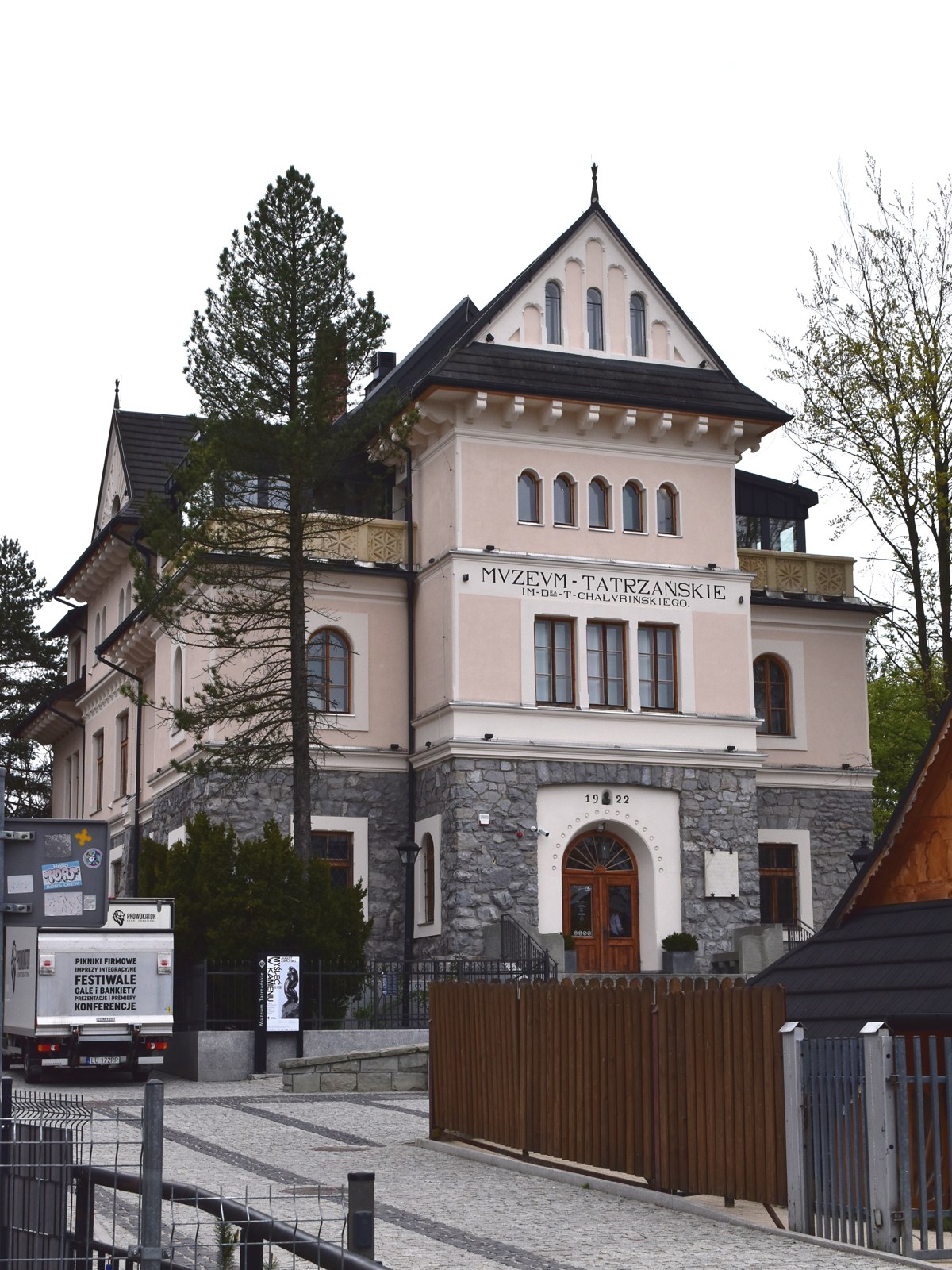
Heading further east towards the Beskid Niski mountains, the Biecz Land Museum makes the obvious second half of the day: Biecz tells the story of a small Małopolska town where Ciężkowice tells the story of its wildlife. In neighbouring Gorlice, the Karwacjan Manor gallery puts contemporary art into a Gothic and Renaissance residence - a third register on the same road. If you want to see the same idea done at national scale, the Tatra Museum in Zakopane covers the nature and highland culture of the Podhale with the budget a small municipality will never have.
Background
Włodzimierz Tomek (1912-1995) was a forester, ornithologist and entomologist. He collected with his wife Krystyna for more than fifty years while working in nature conservation, and is credited locally with saving the Petrified City rock formations from sandstone quarrying. The collection was first shown in the family townhouse in the 1980s, and became a public museum in 1989.
After Tomek’s death in 1995 the municipality bought the collection using money from the Tarnów regional environmental protection fund. The museum moved out during a 2009 renovation and reopened in December 2011 at 3 Maja 34 in its present multimedia form, with the glass floor, bird-call listening stations and a projected river. It is an unusual outcome: a private obsession that became a public institution instead of being dispersed at auction.
Nearby museums
 History
Museum of the Biecz Land
ul. Węgierska 1, 38-340 Biecz
Museum of the Biecz Land - Renaissance Kromerowka and a Gothic tower house in Biecz, southern Poland. Opening hours, tickets, free Fridays.
Karwacjan Manor Art Gallery in Gorlice
ul. Piekarska 2, 38-300 Gorlice
Karwacjan Manor Art Gallery in Gorlice - contemporary art in a reconstructed Gothic manor. Opening hours, tickets 10/6 PLN, free Tuesdays.
 Culture
Tatra Museum in Zakopane
ul. Krupówki 10, 34-500 Zakopane
Tatra Museum Zakopane - highland culture and Tatra nature at Krupowki 10. Hours Wed-Sun 10-18, tickets 34/17 PLN, free Thursdays.