Wiktor Ambroziewicz Museum of the Chełm Land
Muzeum Ziemi Chełmskiej im. Wiktora Ambroziewicza
- Wheelchair: Yes
Location
What to expect
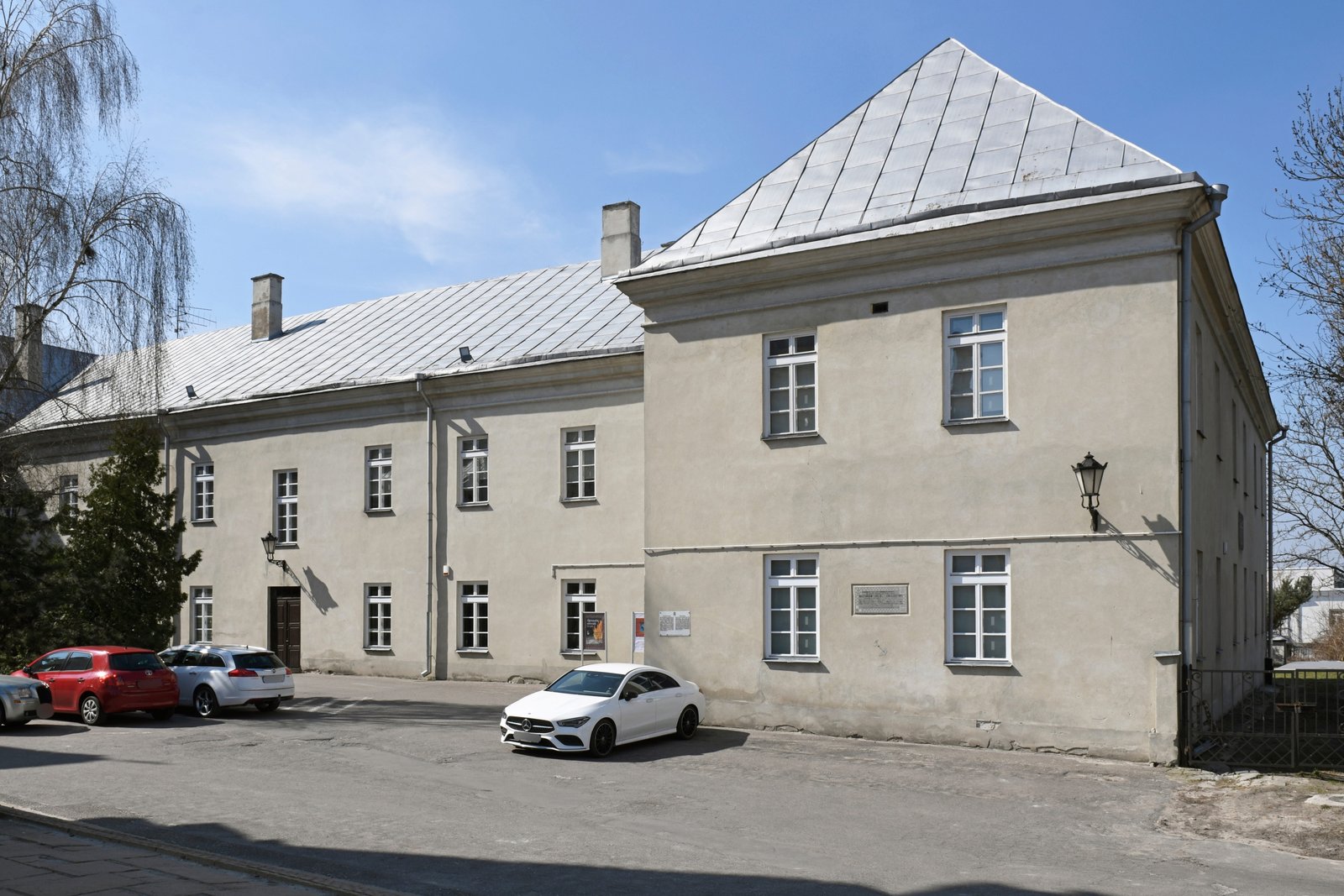
The Chełm regional museum in eastern Poland is not one building but four addresses within a kilometre of each other, and the first cash desk asks you to choose: a single ticket or a pass. Plan it as a walking route through the town centre rather than a visit under one roof. The museum’s own estimate for the full circuit is three hours.
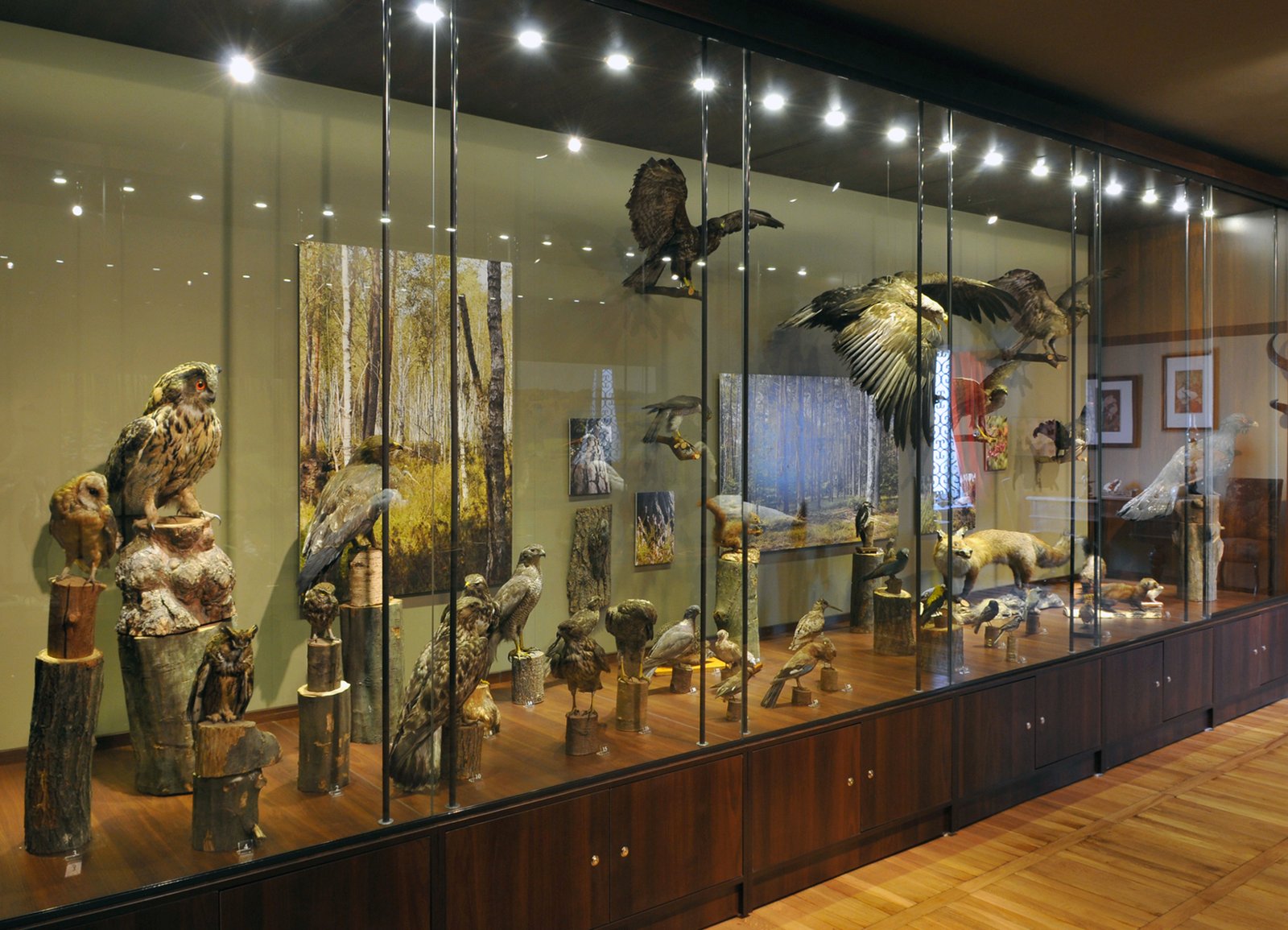
The densest stop is Lubelska 57. The history display runs through nine rooms on two floors, from prehistory to the political turn of 1989, and includes finds from the 2015-2018 excavations on Wysoka Górka, the residence of the thirteenth-century prince Daniel Romanovich. The same building holds the natural history exhibition opened in 2010: dry-grassland plants and animals of the Lublin region, the peat bogs of Polesie, and skulls of woolly rhinoceros and musk ox.
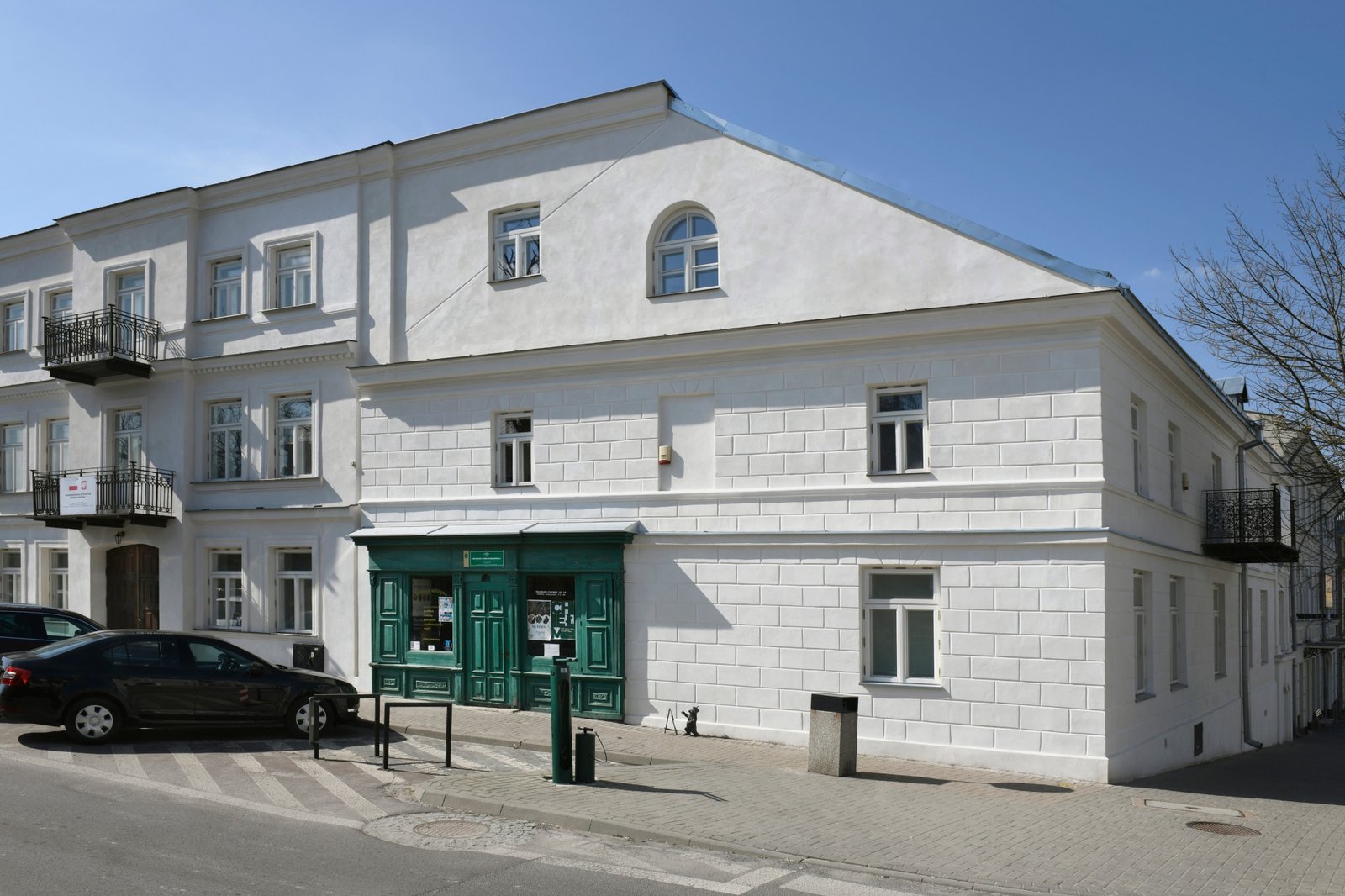
Archaeology and ethnography sit in the former Zwierciadło printing works at Lubelska 56a. The display splits the region into eight threads, of which the ones worth the walk are the pottery from the villages of Pawłów, Putnowice and Wojsławice, the weaving, and a reconstructed village room decked out for a feast day. The numismatic cabinet held 12,429 items at the end of 2009, among them a hoard of 2,337 coins dug up at Horodysko in 1947.
The surprise is Galeria 72, in the former Piarist college at Lubelska 55. It opened in September 1972 on the initiative of the painter Kajetan Sosnowski, who grew up in Chełm, and was run for 28 years by the critic Bożena Kowalska. The collection of Polish geometric abstraction that grew out of it - Stażewski, Opałka, Winiarski, Nowosielski, Fijałkowski - is described by the Chełm tourist office as one of the largest in Europe.
Best for visitors who want the Polish-Ukrainian borderland explained, and for anyone who follows post-war Polish abstraction; Galeria 72 alone justifies the trip from Lublin. Families with small children should know what this is not: no screens, no hands-on stations, and the children’s programme is booked workshops rather than anything on the gallery floor.
Tips
- Buy the pass, not a single ticket. One building costs 20 PLN (15 PLN reduced), the pass to all four costs 40 PLN (30 PLN). Two buildings already equal the price of the pass, so decide at the first desk.
- Start at Lubelska 57. History and natural history share the building and carry the most substance; allow just over an hour for that stop alone.
- Weekends are tight. On Saturdays and Sundays the doors open at 12:00 and last entry is 15:30 - three and a half hours for a circuit the museum prices at three. Tuesday to Friday gives you six.
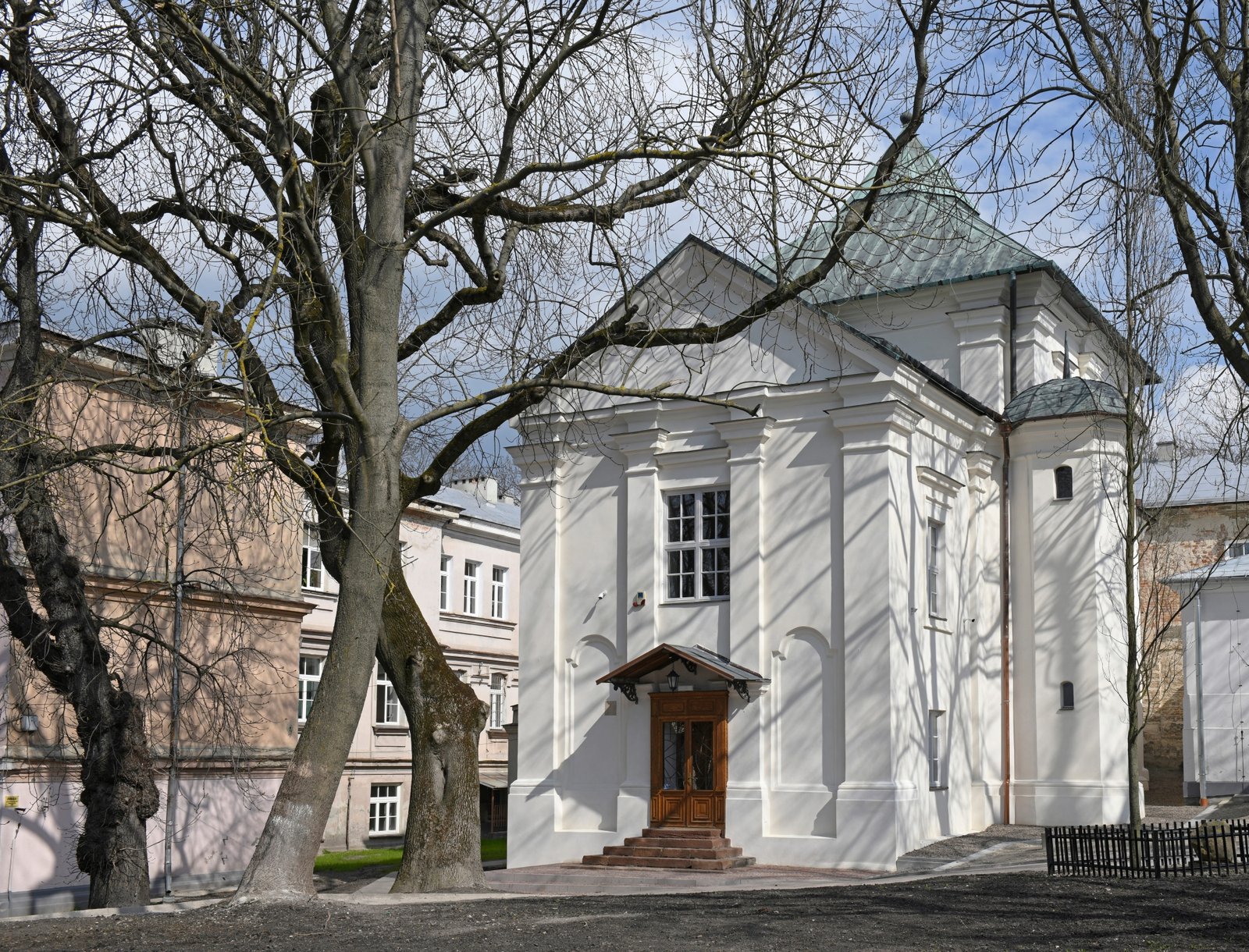
- Skip św. Mikołaja 4 on a Saturday. Since 5 September 2026 the former Uniate church has been closed to visitors every Saturday. It is a single room on one level, so on other days it is worth the walk only if the current show appeals.
- Thursday is free. Free entry applies every Thursday across the museum; children under seven get in free on any day.
- Labels are in Polish. The museum publishes its hours and prices in English but says nothing about English labels, audio guides or English-language tours - assume Polish only and bring a translation app.
- The secret-police cellars are free, but only by phone. The exhibition on the Chełm security service and its victims occupies the cells at Reformacka 27 and is open on working days after arranging a visit on +48 82 565 26 93. It is not covered by the pass and cannot be added on the spot.
- No online tickets, and accessibility varies by building. Each building sells its own tickets at the door; a guided tour of one exhibition is 50 PLN. Lubelska 55 and 57 have street-level entrances, 56a is reached by steps, św. Mikołaja 4 has a stair-climber; displays sit on two or three floors linked only by stairs. Assistance dogs are admitted everywhere, tactile maps and audio description nowhere.
Getting there
By train from Lublin. The fastest direct services take 47-52 minutes. The Chełm Miasto halt is on the museum’s own street, at Lubelska 109b; the main Chełm station is just under two kilometres away in a straight line, about half an hour on foot.
On foot between the buildings. Lubelska 55, 56a and 57 face each other across and along the same stretch of street, and św. Mikołaja 4 is a few minutes further. The museum puts the whole circuit at roughly a kilometre.
By city bus. The museum names Młodowskiej/Cerkiew (lines 1, 5, 7, 8, 9, 12, 14) as the nearest stop for Galeria 72 at Lubelska 55 and for the former St Nicholas chapel; Plac Gdański (lines 1, 5, 6, 8, 9, 12, 14) also serves Lubelska 57, which is equally close to the Lubelska/Urząd Miasta stop.
By car. Chełm lies about 70 kilometres east of Lublin and 25 kilometres from the Ukrainian border. The museum has no car park of its own and points to parking near each building: by the Church of the Dispersion of the Apostles for Lubelska 55, on ul. Podwalna for Lubelska 57, the public pay car park behind the Gama shop for Lubelska 56A, and a few public spaces in front of the chapel at św. Mikołaja 4. Marked disabled parking bays exist only by the main entrance of Lubelska 56A.
Nearby
Chełm is a natural base for the eastern edge of the Lublin region. To the north are the Sobibór memorial museum and the synagogue complex in Włodawa , both carrying the Jewish history that surfaces in Chełm mainly through temporary shows. Southwards, the Staszic museum in Hrubieszów is another regional collection, stronger on archaeology of the Bug valley than on ethnography.
Background
The town’s first museum was founded by the tsarist authorities to prove that Chełm had always belonged to Russia and Orthodoxy. Icons, books and liturgical objects taken from Greek Catholic churches after the Chełm Uniate diocese was suppressed went into a Church and Archaeological Museum, which vanished during the Russian evacuation of 1915.
What survived moved in 1919 to the Stefan Czarniecki grammar school, where the headmaster Wiktor Ambroziewicz founded the Museum of the Chełm Land. Schoolteachers looked after the interwar collection, whose prize object was a neolithic grave found at Poniatówka in 1934; most of it was looted or destroyed in the Second World War.
After 1949 the regionalist Kazimierz Janczykowski rebuilt the institution and the collections moved into the restored Piarist college. The name followed the administrative map - Muzeum Okręgowe in 1976, Muzeum Ziemi Chełmskiej in 1999 - and Ambroziewicz became its patron in 2009. A year later it received the silver Gloria Artis medal.
Temporary exhibitions here
Teresa Chomik-Kazarian. Four Seasons
25 September 2026 - 30 October 2026
Paintings by Teresa Chomik-Kazarian in the former Chapel of St Nicholas in Chełm, 25 September to 30 October 2026.
On the Way to the Academy
18 September 2026 - 30 October 2026
The history of the building at 54 Pocztowa Street in Chełm told through archive photographs and documents, at the Museum of the Chełm Land, 18 September to 30 October 2026.
Unexpected Pająki. Little-Known Forms of Folk Chandeliers from the Lublin Region
19 September 2026 - 31 October 2026
Rare forms of Polish folk straw-and-paper chandeliers (pająki) from the Lublin region at the Museum of the Chełm Land, 19 September to 31 October 2026.
The Chotyniec Hillfort. The Western Gate of Scythia
9 September 2026 - 2 November 2026
Finds from the Scythian-period hillfort at Chotyniec, with a Greek amphora from Klazomenai, at the Museum of the Chełm Land, 9 September to 2 November 2026.
Rays of the South. Lights of the Borderlands
16 September 2026 - 20 November 2026
Paintings and drawings by Mariusz Woszczyński at Galeria 72, Museum of the Chełm Land, 16 September to 20 November 2026.
Windows of Memory
25 July 2026 - 31 December 2026
Portraits of pre-war Chełm Jews displayed in the windows of a townhouse at 1 Kopernika Street recall the city's multicultural history.
Nearby museums
 History
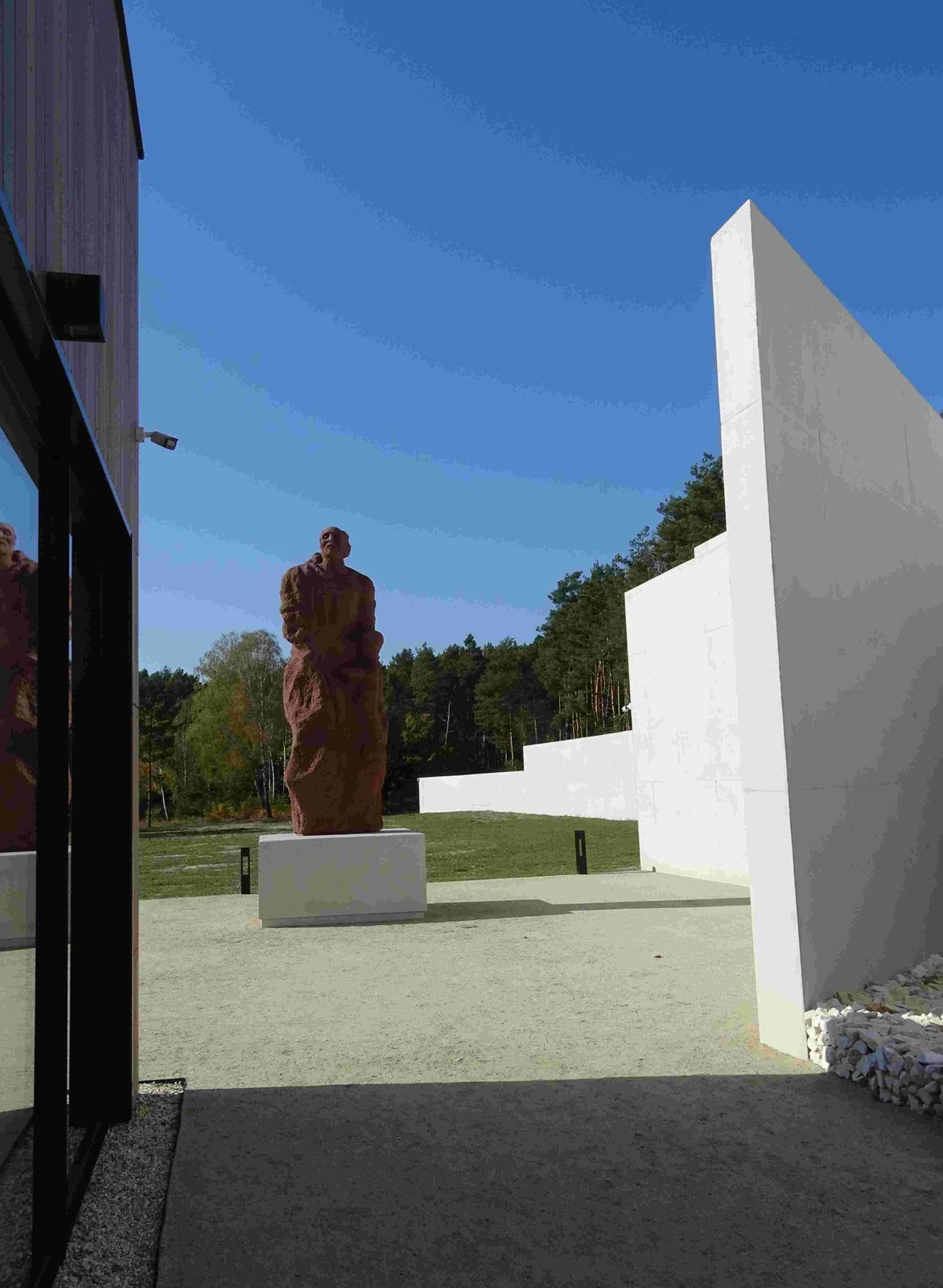
Museum and Memorial Site in Sobibór
Żłobek 101, 22-200 Włodawa
Memorial on the site of the German Nazi extermination camp of 1942-1943 in eastern Poland. Permanent exhibition, over 700 victims' objects. …
 Culture
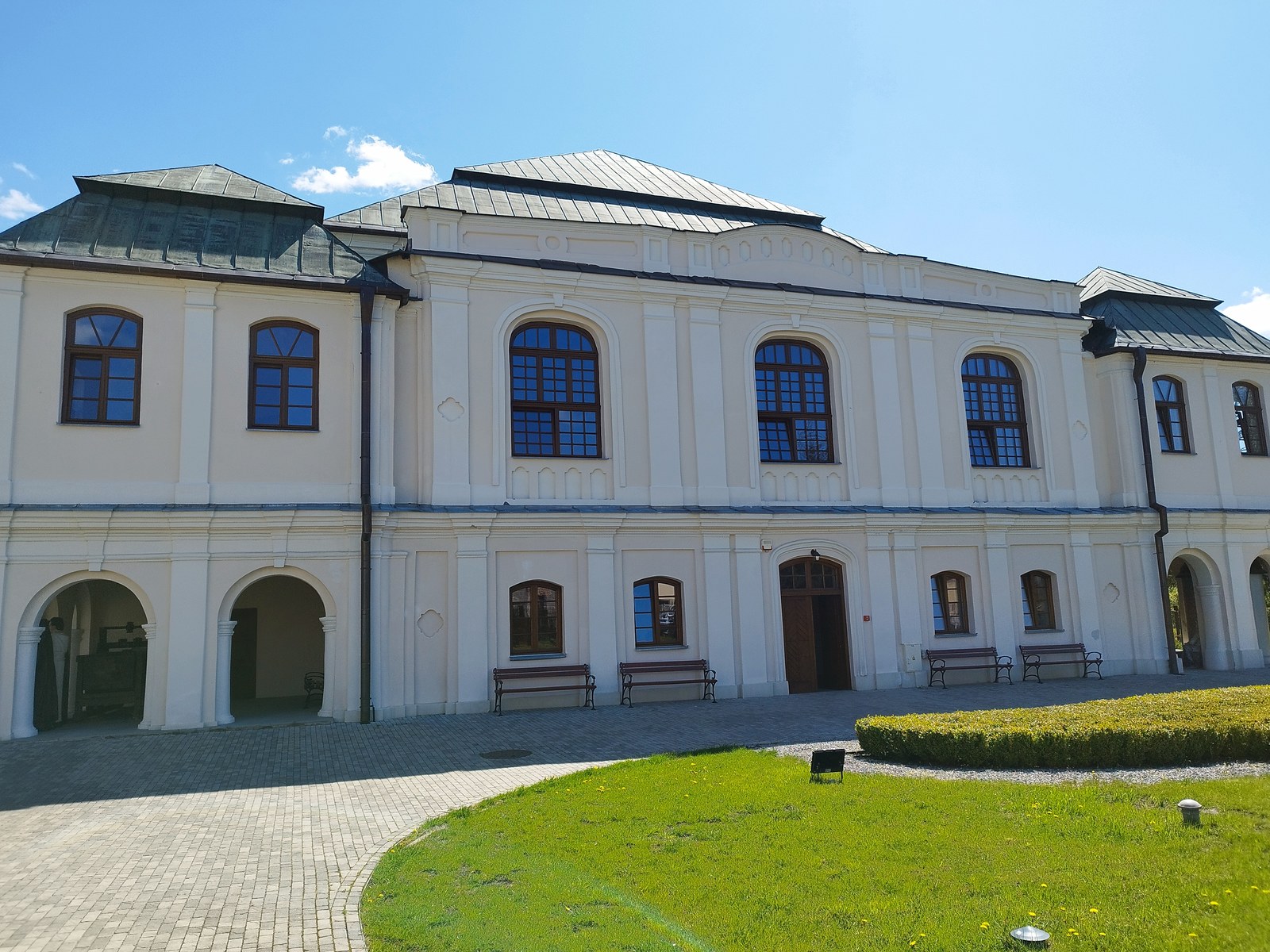
Museum - Synagogue Complex in Włodawa
ul. Czerwonego Krzyża 7, 22-200 Włodawa
The Włodawa synagogue complex in eastern Poland: a Great Synagogue of 1764-1774, an older study house and the kahal house. Hours, tickets …
 History
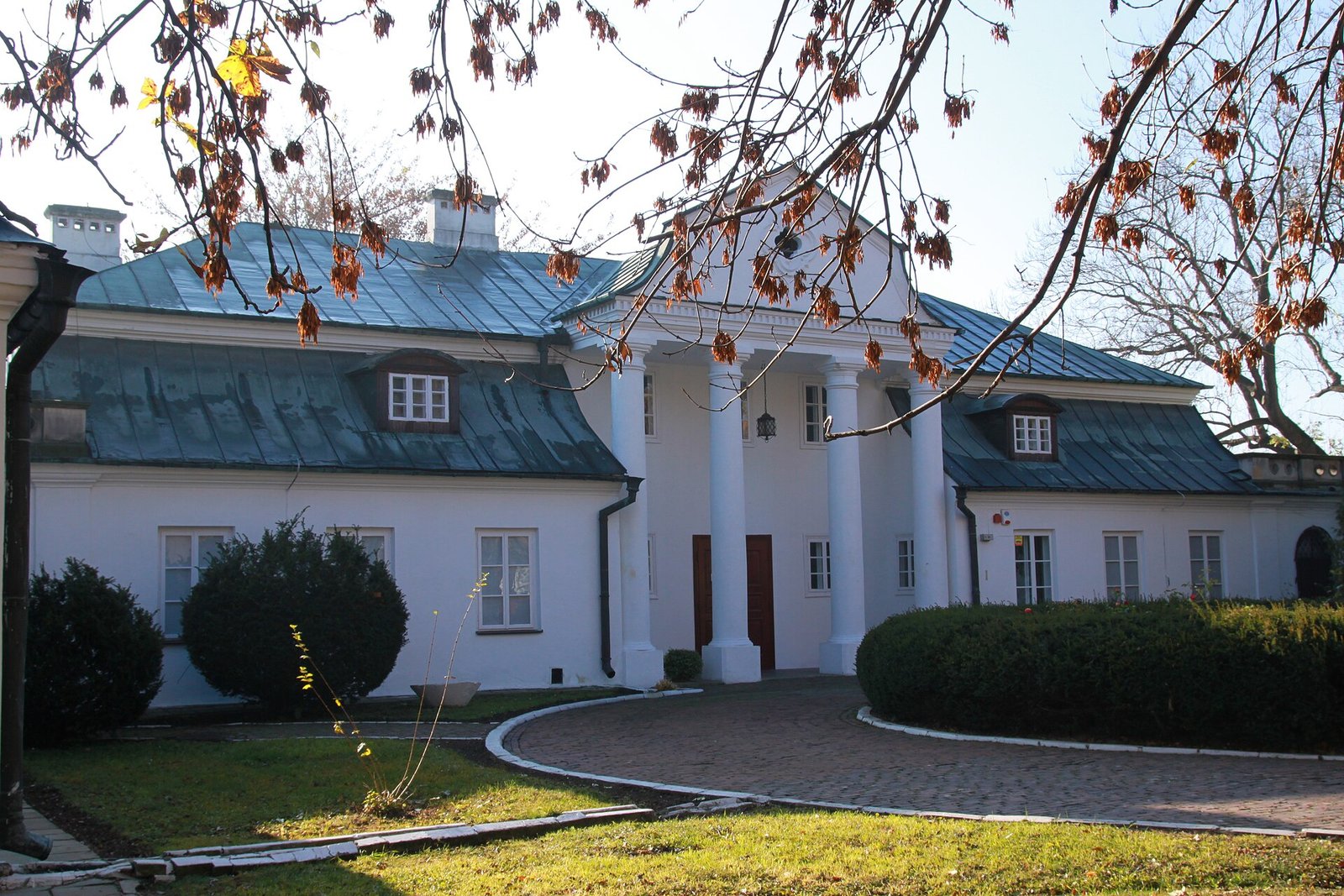
Father Stanisław Staszic Museum in Hrubieszów
ul. 3 Maja 11, 22-500 Hrubieszów
The museum in Hrubieszow fills the classicist du Chateau manor of 1791 and shows the archaeology of the Hrubieszow Basin, folk crafts, coins …