Stanisław Fischer Museum in Bochnia
Muzeum im. Stanisława Fischera w Bochni
- Wheelchair: Yes
Location
What to expect
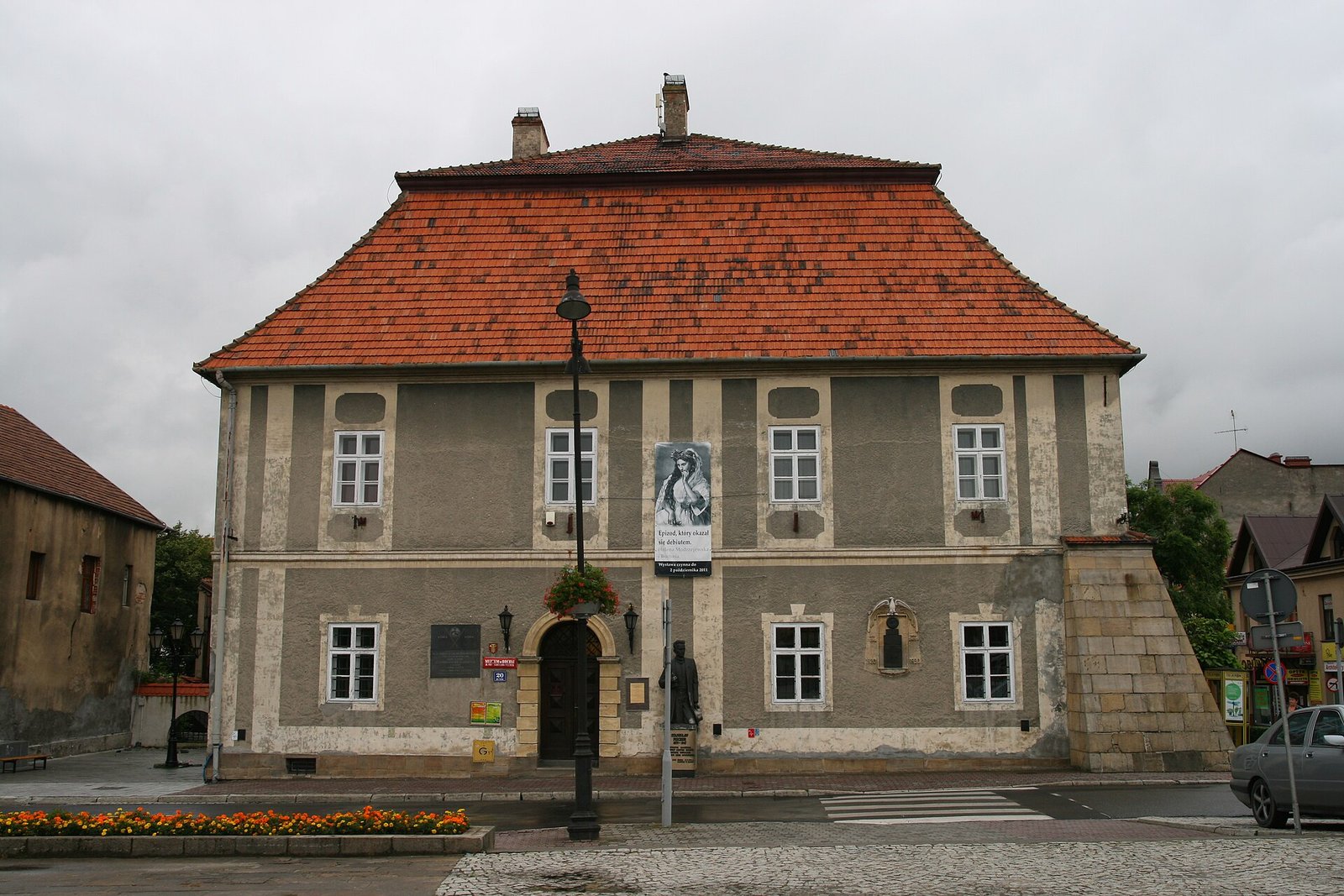
The first thing you see in Bochnia’s regional museum is a wall of African masks. The non-European collection of the Fischer Museum in Bochnia - Africa, Asia, South America - shares the ground floor with Małopolska folk carvings and Chinese porcelain. It is the part that surprises visitors who came for the salt story. The expected material starts one floor up.
The first floor holds the gallery of Polish painting of the 19th and 20th centuries: Teodor Axentowicz, Olga Boznańska, Julian Fałat, Jacek Malczewski, Tadeusz Makowski, Włodzimierz Tetmajer, Leon Wyczółkowski, plus a separate group of Bochnia’s own painters.
The same rooms carry regional archaeology from the Neolithic onward, guild mementoes, the national uprisings, Judaica, and the history of the salt mine told from archives rather than underground. The attic is given over to temporary shows, several a year, often drawn from the museum’s own holdings - Jan Matejko’s drawings among them in recent seasons.
Altogether the collection runs to more than twenty thousand objects in five departments: art, history, archaeology, ethnography and natural history. The coin cabinet spans the 4th century BC to the 20th century, and the archive keeps parchment documents, early prints of the 15th to 18th centuries and unique salt-works maps.
This is a classic museum: cases, labels, paintings on walls. No touchscreens, no multimedia trail. The museum publishes nothing about English labels or an audio guide, so assume Polish-only. If you do not read Polish, book a guide or treat the visit as a looking rather than a reading exercise - the painting gallery and the non-European room survive that treatment well. Allow an hour for a pass through three levels, two if you read everything.
One distinction worth making before you set out: this is not the Bochnia Salt Mine. The mine is a separate institution with its own underground tourist route; the museum on the market square tells its story above ground, from maps and salt-administration papers. Both fit into one day trip from Kraków, in that order.
Tips
- Come on a Thursday - admission is free and the museum keeps its longest hours, 11:30 to 19:00. It is the only day you can fit a visit in after work or after the mine.
- Last admission is 30 minutes before closing - the visiting rules are explicit. On Tuesday, Wednesday and Friday the doors shut at 15:30, so be there by 15:00 at the latest.
- Allow an hour, two if you read the labels - the museum publishes no suggested duration; a Polish visitor account on mojamalopolska.pl reports that a careful walk-through takes roughly twice as long as people expect.
- Do not miss the painting gallery and the non-European room - a regional museum this size holding African and Asian collections is genuinely unusual, and the Polish painters here are names you would otherwise chase in Kraków.
- There is no online ticketing - no timed entry, no web sales; you pay at the door. A guided tour costs 30 PLN plus admission for up to fifteen people and 60 PLN plus admission above that, arranged by phone on +48 14 612 32 85.
- The Jewish Memory Trail is booked separately - 100 PLN for groups up to fifteen, 150 PLN above. Note that since 2 January 2024 the museum no longer holds the keys to the Jewish cemetery at Krzęczków, so ask what the route currently covers.
- Wheelchair access covers the ground floor and the viridarium - the accessibility statement lists a ramp at the main entrance and step-free access to the hall, the temporary-exhibition rooms and the cloister garth. Nothing is published about a lift to the upper floors, and there is no sign-language interpreter, so call ahead.
- Thursday has a second layer - since 1983 the museum has run the Czwartkowe Spotkania Muzealne, evening lectures on history and the humanities, held in Polish; in the 2026 season they started at 17:30. Reduced tickets begin at age 4, and children under 4 enter free.
Getting there
By train from Kraków: from Kraków Główny take any service toward Tarnów or Rzeszów to Bochnia station. From there the market square is just under a kilometre south, about 12-15 minutes on foot.
By car: the A4 motorway east, Bochnia exit; roughly 40 kilometres from Kraków and under an hour. There is parking on the market square itself, paid on weekdays.
On arrival: the museum stands at the south-east corner of the Rynek, a few minutes from the bus station and from the Sutoris shaft, the old-town entrance to the salt mine.
Nearby
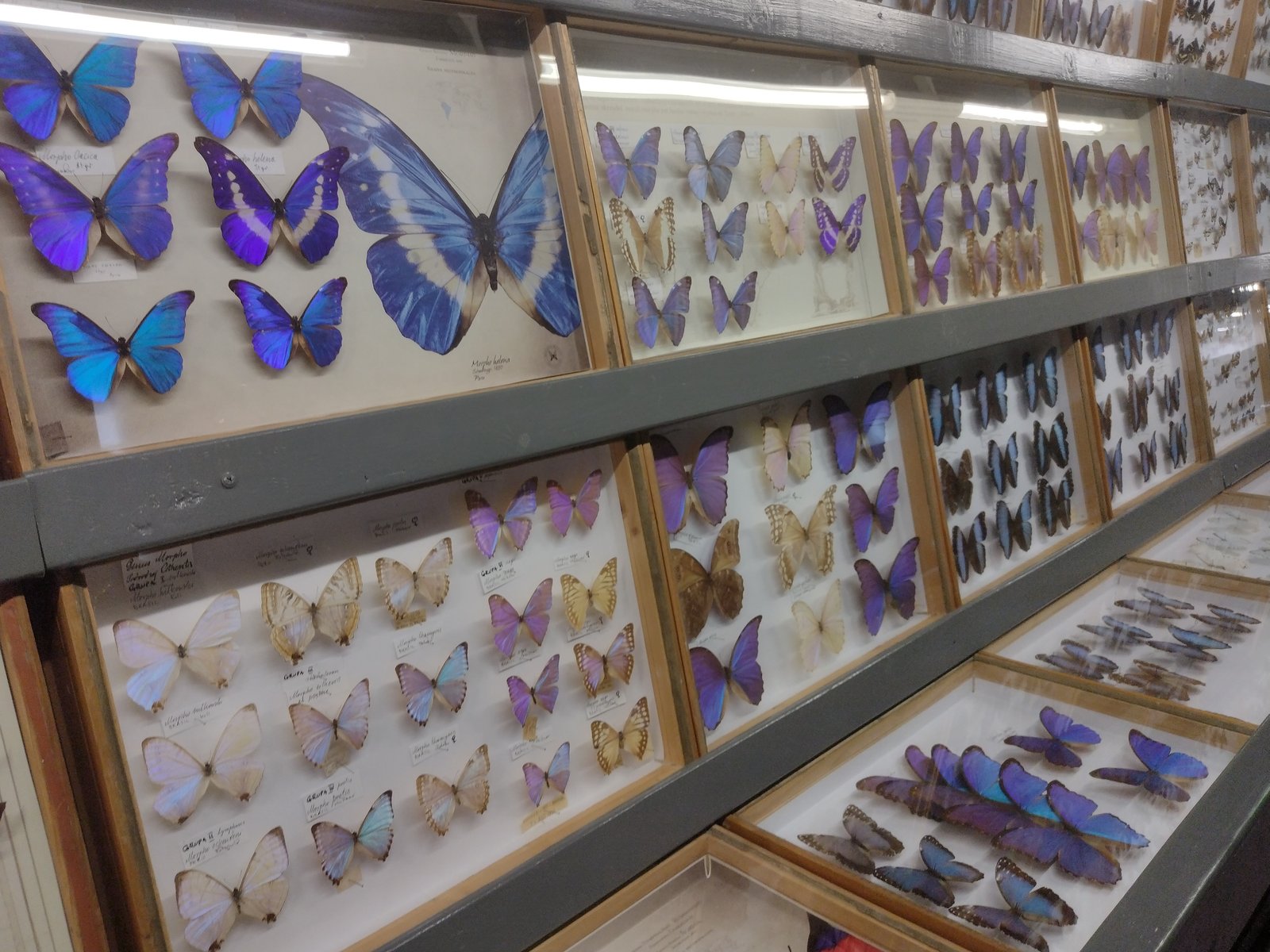
Also in Bochnia, the Butterfly Museum in Bochnia keeps live tropical butterflies - the opposite of Fischer in every way, and the rescue plan when a child runs out of patience with display cases.
Ten kilometres south, the Wiśnicz Land Museum tells a comparable regional story, and the Wiśnicz thread keeps reappearing in Bochnia’s own collection and exhibition programme; the two read best together.
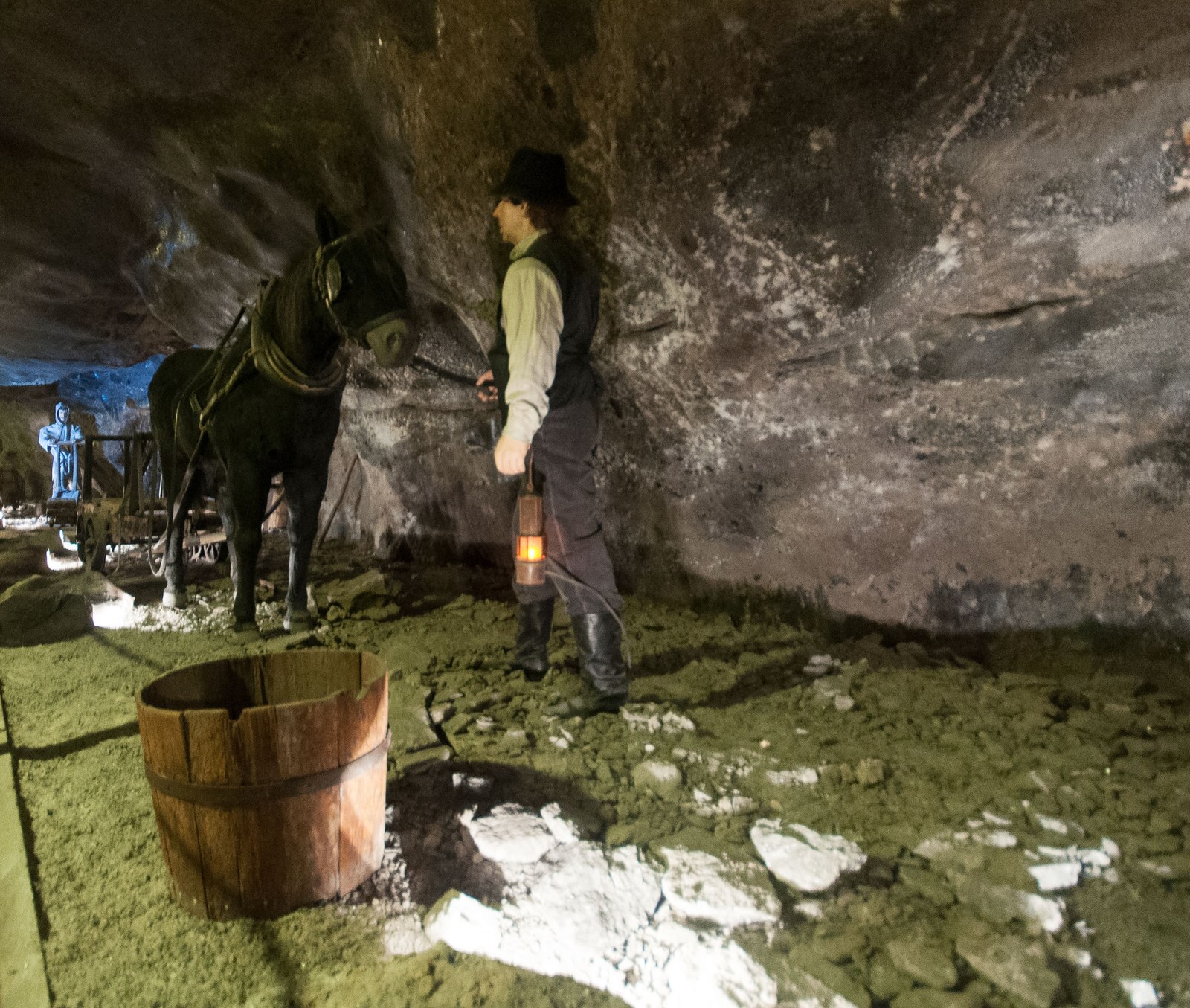
If you want underground what this museum shows on paper, the Wieliczka Salt Mine sits on the way back to Kraków.
Background
The museum was founded in 1959 thanks to Stanisław Fischer, who gave the town his own collection: old folk sculpture and painting, early prints and manuscripts, guild mementoes, militaria and archaeological finds. Fischer was a teacher and regional activist, and one of the Righteous Among the Nations. A monument to him by Professor Czesław Dźwigaj has stood at the entrance since 1997.
The building is the former Dominican monastery, its oldest fragments dated by the town to the 16th century. The facade onto the market square carries 18th-century sgraffito decoration, and the building dominates the eastern side of the square. It lost its religious function after the fire of 1751 and spent the following decades in administrative hands: the salt administration took it over in 1777, and from 1783 it housed the authorities of the Bochnia district. Conversion into a museum began in the late 1950s, and in 1969 the museum took over the whole building. That lineage explains why the salt-works archive ended up here, and why it is the museum rather than the mine that keeps the 18th- and 19th-century maps of Bochnia’s underground.
Temporary exhibitions here
Horizontal Existence; Vertical Existence [Evolution - Involution]
from 6 September 2026
Nearly forty years of Piotr J. Figiel's painting, early and recent works hung side by side, at the Stanisław Fischer Museum in Bochnia from 6 September 2026.
Nearby museums
 Science
Butterfly Museum in Bochnia
ul. Tadeusza Czackiego 9, Bochnia
Butterfly Museum in Bochnia - Poland's largest butterfly collection, 6000+ specimens, 40 km east of Krakow. Open daily 11:00-16:00, tickets …
 Science
Wieliczka Salt Mine
ul. Daniłowicza 10, 32-020 Wieliczka
Wieliczka Salt Mine near Krakow: Tourist Route vs Miners' Route, ticket prices, opening hours, and how to get there by train from Krakow.