Butterfly Museum in Bochnia
Muzeum Motyli w Bochni
Location
What to expect
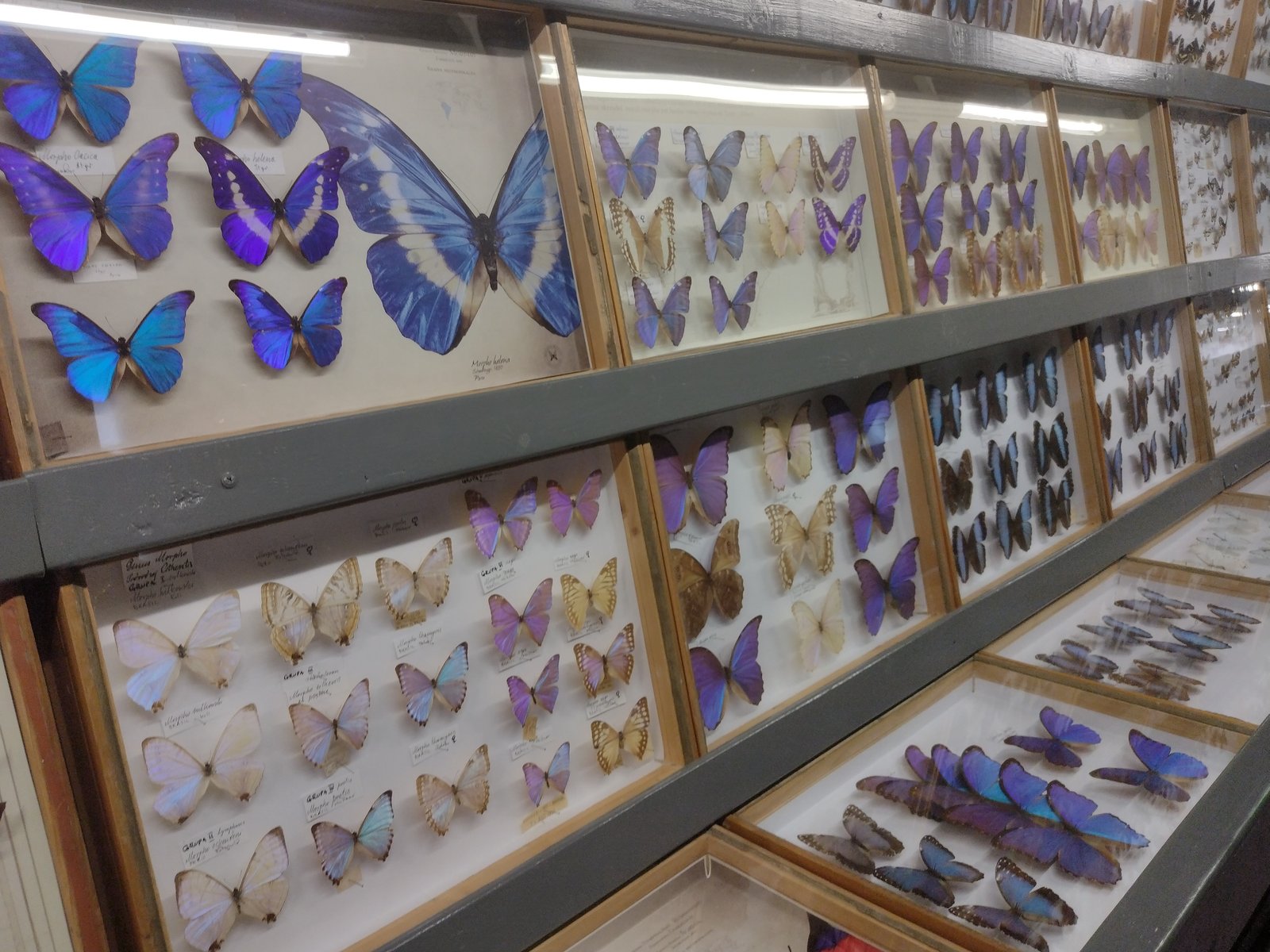
Settle the main question before you book a taxi: there are no living butterflies here. The Butterfly Museum in Bochnia is not a tropical butterfly house but a pinned collection behind glass. What makes it work is that the cases stand at arm’s length and the museum hands you a magnifying glass on the way in.
The display runs over two floors of a townhouse on the edge of the Planty Salinarne park, arranged the way a naturalist would arrange it - by family and genus, day-flying and nocturnal, continent by continent. The museum counts over 6,000 specimens; older guidebook descriptions say 4,500 to 5,580, because the collection keeps growing.
Its backbone is a complete set of Poland’s native day butterflies plus species caught around Bochnia, but the ones that stop you are the travellers: metallic South American Morpho, Papilio ulysses, African Charaxes. The range of scale is its own attraction, from specimens a few millimetres across to wings several hand-spans wide.
Butterflies are not the whole of it. The cases also hold longhorn and stag beetles, stick insects, mantises, true bugs, cicadas and spiders, with separate displays on mimicry and cryptic coloration, on migration, and on how climate shapes insect development. A film covers metamorphosis, which no pinned specimen can show. The cabinetwork deserves a look too: some of the cases are around 120 years old, glazed with hand-cast panes, and came from a Polish Academy of Sciences collection.
Best for children 5 to 12 and for adults who enjoy looking closely. Allow 30 to 45 minutes. The room is small and dense, and after twenty cases your eyes give up, so pick a floor rather than reading everything. One warning for an international visitor: the museum publishes nothing about English labelling, so expect Polish captions and lean on the Latin species names. Anyone who expects flying insects will leave disappointed; anyone who came to look will stay longer than planned.
Tips
- Ignore the prices in guidebooks. City portals and travel blogs still quote 12 PLN. The current rate is 29 PLN standard, 26 PLN reduced (children over 4, pupils and students with ID, pensioners).
- Family tickets are the better deal. Two adults plus one child 68 PLN, plus two children 75 PLN, plus three 80 PLN. Children under 4 enter free, and a Polish large-family card takes off another 5%.
- The salt mine package. The Bochnia Salt Mine multimedia route bundled with a nature lesson here costs 72 PLN per person, and the version with a night underground 165 PLN. The package has to be booked with both partners.
- Groups get in two hours early. A nature lesson costs 30 PLN per person, 38 PLN with a souvenir, and school groups can start at 9:00 or 10:00, before general opening at 11:00.
- Ask for the magnifying glass at the desk. Without it you miss the half of the exhibition that matters: wing scales, thorax hairs, the fine detail of camouflage patterning.
- Shoot photographs at an angle. The hand-cast glass in the old cases reflects unevenly, and a straight-on shot mostly returns your own face.
- Phone ahead if you have a pushchair. The display is on two levels and the museum publishes nothing about a lift; a call to 502 494 622 costs a minute and saves a surprise on the stairs.
- Pay in cash if you can. The museum publishes no card-payment information, and this is a small private venue.
Getting there
On foot from central Bochnia: the museum is at Tadeusza Czackiego 9, on the edge of the Planty Salinarne, a few minutes from the market square.
From Bochnia railway station: about 1 km southwest, roughly 15 minutes on foot.
By train from Krakow: line 91, Krakow Glowny to Medyka, about 40 minutes. This works well as a half-day trip.
By car: Bochnia is about 40 km east of Krakow on the A4 motorway. There is no car park at the museum; the nearest paid spaces are on ul. Oracka.
To the salt mine: the tourist entrance and ticket offices are at the Campi shaft, ul. Campi 15, on the eastern side of town - a separate journey, not a neighbour.
Nearby
Bochnia’s other museum is the Stanislaw Fischer Museum , covering regional art and history; the two run a joint programme for groups, a museum lesson plus a nature lesson for 35 PLN per person, booked with both. Heading back toward Krakow, the obvious stop is the Wieliczka Salt Mine , though the scale and the price belong to a different category of day out. The nearest comparable natural-history collection on this site is the Ciezkowice Natural History Museum , about 50 km further east.
Background
Jacek Kobiela, a visual artist and art conservator, began the collection in 1980 by buying up several older ones. Most of the Palearctic material comes from the collection of the entomologist Edward Palik (1919-2008), with further specimens contributed by Jerzy Turzanski, Henryk Sudolowicz and Stanislaw Gruszka. The African butterflies were sent by missionary sisters from Bangui in the Central African Republic; the American and Asian tropics came from the founder’s own expeditions. The museum opened in 2009 and his son Filip Kobiela has run the collection since.
Nearby museums
 Culture
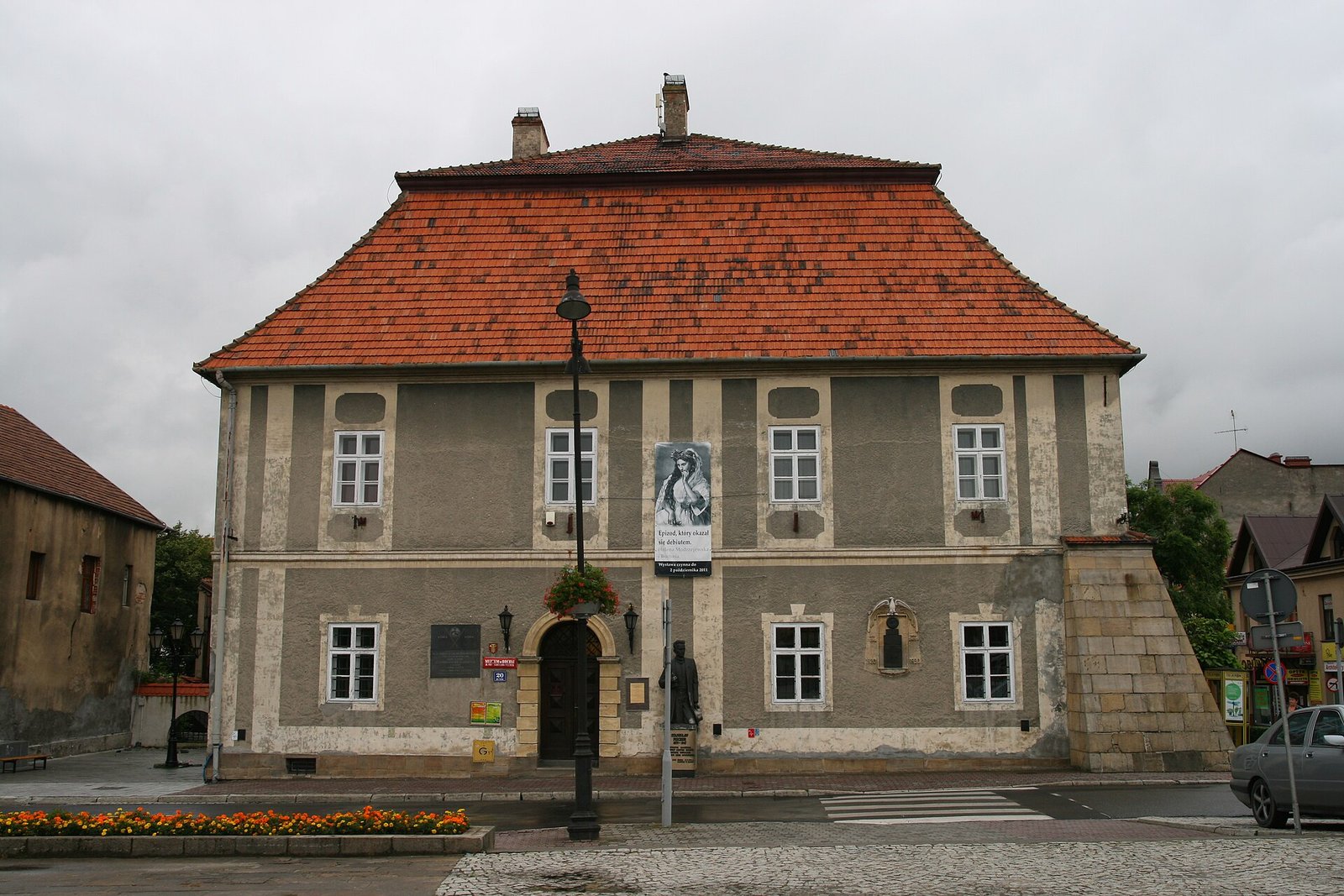
Stanisław Fischer Museum in Bochnia
Rynek 20, 32-700 Bochnia
Fischer Museum in Bochnia on the market square - Polish painting, coins and folk art. Tickets 20/15 PLN, free Thursdays, opening hours.
 Science
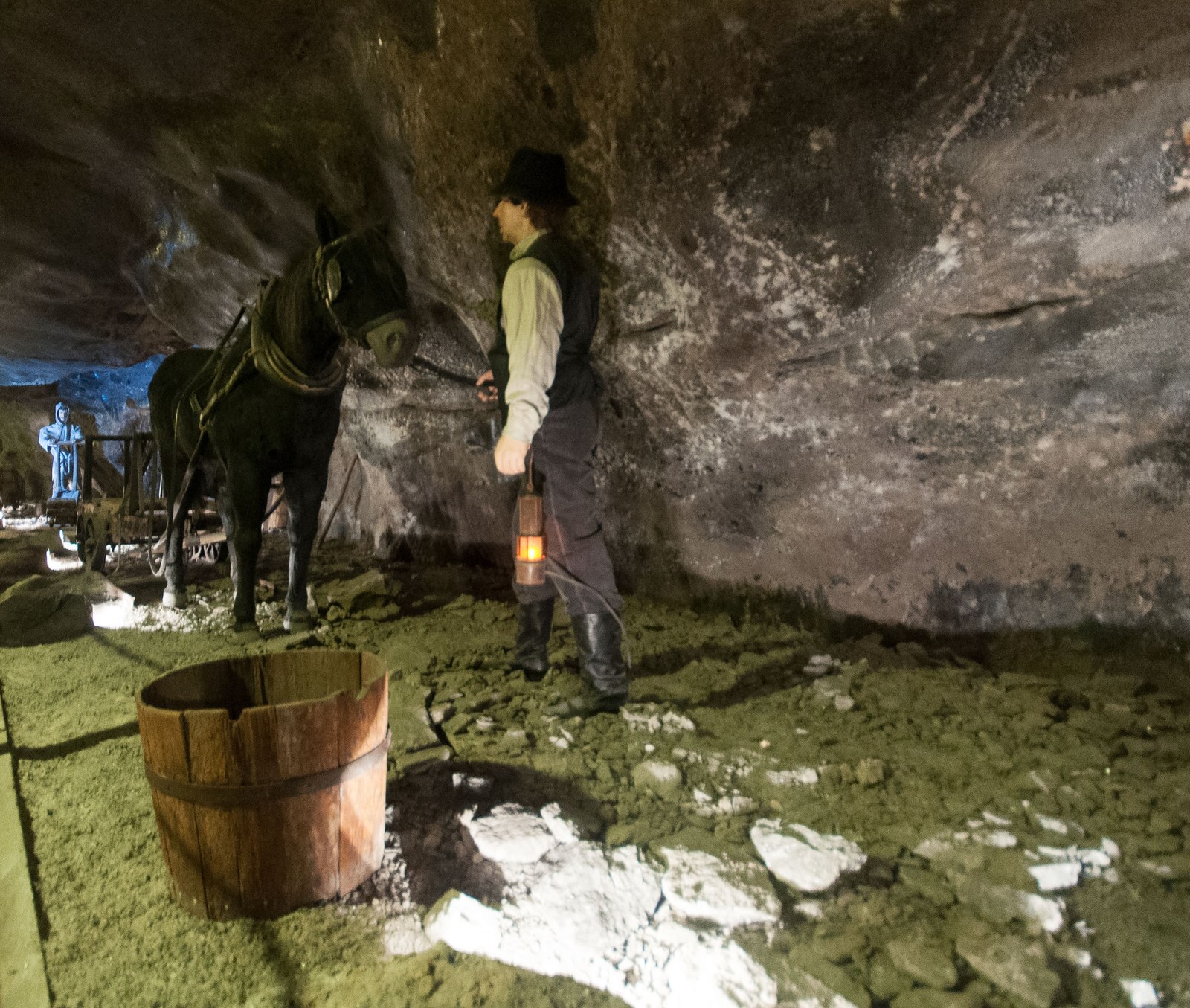
Wieliczka Salt Mine
ul. Daniłowicza 10, 32-020 Wieliczka
Wieliczka Salt Mine near Krakow: Tourist Route vs Miners' Route, ticket prices, opening hours, and how to get there by train from Krakow.
 Science
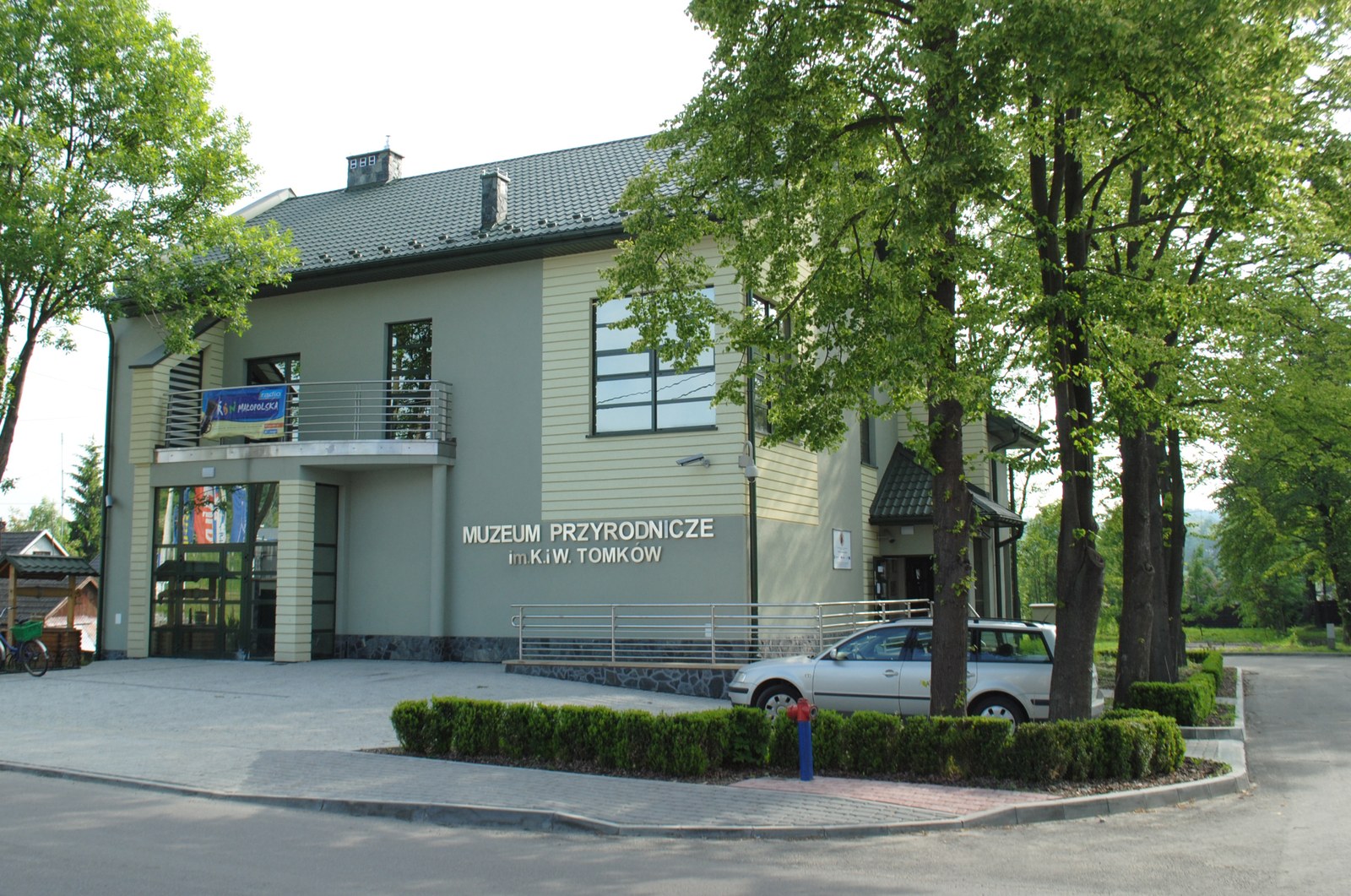
Krystyna and Włodzimierz Tomek Natural Science Museum in Ciężkowice
ul. 3-go Maja 34, 33-190 Ciężkowice
Ciężkowice Natural History Museum - Polish fauna of the Pogórze foothills. Opening hours, tickets 15/10 PLN, multimedia displays, near the …