Museum of the Biłgoraj Land in Biłgoraj
Muzeum Ziemi Biłgorajskiej w Biłgoraju
Location
What to expect
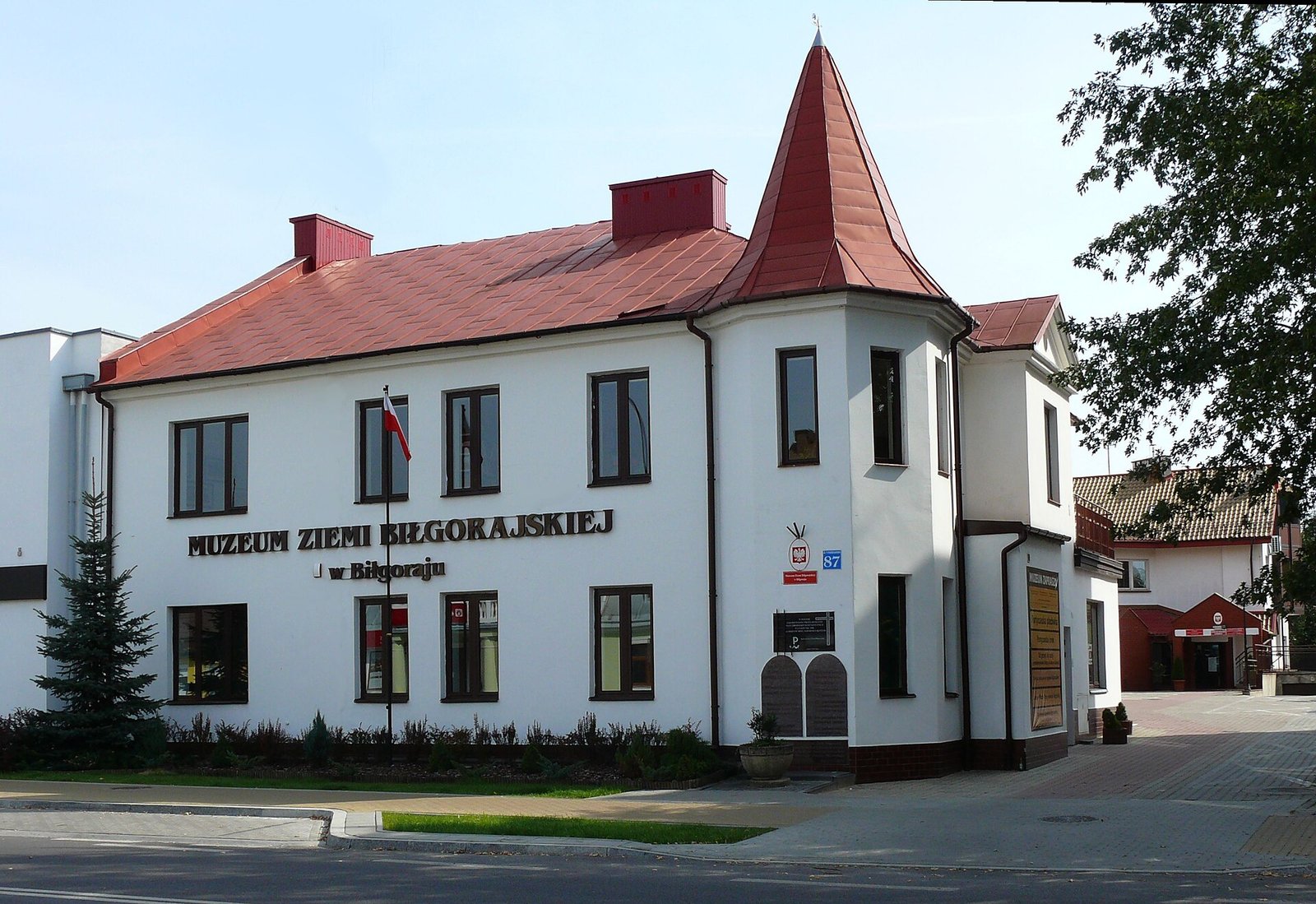
The Bilgoraj museum is four addresses, not one building, and for half the year they trade calendars. From May to October the main building closes at weekends while the two outdoor branches open; from November to April it is exactly the other way round. Check that before you check anything else, or you will arrive at a locked door.
Biłgoraj itself is a small town in the far south-east of Poland, about 95 kilometres below Lublin, where the Tanew and Łada rivers mark the edge of the Roztocze hills and the Solska Forest. The main building at ul. Tadeusza Kościuszki 87 is the former county administration house. Inside is the permanent display Nad Tanwią i Ładą, “By the Tanew and the Łada”, which runs from prehistory to the present.
You will see flint tools and medieval pottery, relics of the 1863 uprising, weapons and uniforms from both world wars, folk costume, and coins that include Roman-era pieces. The holdings run to over ten thousand catalogued objects in six departments. The display occupies roughly 240 square metres, so three quarters of an hour covers it.
The second address is the more interesting one. Zagroda Sitarska at ul. Nadstawna 32 is a sieve-maker’s timber house built in 1810, standing with its granary, cart shed, woodshed and log beehives. The rooms have been furnished as they were: a sieve workshop, a living chamber, a kitchen with a stove. It is one of very few complete craftsman’s homesteads in Poland preserved where it was built, and it now sits against post-war blocks of flats.
The third address, the Mill Complex on the Biała Łada at ul. Czerwonego Krzyża 37, is a nineteenth-century watermill with a turbine house and weirs, used today for temporary shows. The fourth, the Museum of Polish Partisans Osuchy ‘44, sits some 30 kilometres out of town and is free to enter.
Best for travellers who want the Roztocze region explained before they walk into it, for anyone following the Solska Forest partisan story, and for people who care about vernacular craft. That last group should head for Zagroda Sitarska rather than the main building. If you have under two hours in Biłgoraj and it is summer, skip the main building and go straight to Nadstawna. The museum publishes nothing about the language of its labels, so bring a translation app just in case.
Tips
- Season beats weekday. The main building opens on Saturday and Sunday, 12:00 to 17:00, only from November to April. Zagroda Sitarska and the Mill Complex run the opposite way, May to October only, and are shut for the other six months.
- Tuesday costs nothing. Free entry applies that day at every site. Between May and October all three ticketed sites open together from Tuesday to Friday - the main building at 9:00, Zagroda Sitarska at 9:30, the Mill Complex at 10:00 - but Tuesday is the only weekday on which all three are also free.
- How long to allow. Forty-five to sixty minutes for the permanent display, the same again for Zagroda Sitarska, twenty to thirty minutes for the Mill Complex. All three plus the walk between them make half a day.
- Skip the Mill Complex unless. The ticket is 4 PLN, 3 PLN concession, the cheapest in the museum. Worth it if you are walking past anyway or the current temporary show appeals; otherwise leave it.
- No online tickets. Buy at the door: 10 PLN full and 8 PLN concession for the main building and for Zagroda Sitarska. The Polish Large Family Card gives 50 per cent off in all its versions, and groups are asked to call ahead on +48 84 686 27 33 or +48 798 538 386.
- Photography and guiding. Open-air museum portals report that photography at Zagroda Sitarska is free and that a guided tour costs nothing extra if arranged in advance. The museum does not publish either, so confirm by phone before you travel.
- Miasteczko Kresowe next door. Zagroda Sitarska adjoins a reconstructed borderland town in the Biała Łada valley, where in April 2016 the rebuilt house of Isaac Bashevis Singer’s grandfather, the rabbi of Biłgoraj, opened to visitors. The future Nobel laureate came to live there at thirteen. Two completely different visits a few minutes’ walk apart.
- Accessibility. The museum publishes no accessibility information - call before visiting.
Getting there
By bus. The bus station at ul. Bohaterów Monte Cassino 10 is about 400 metres from the museum, five minutes on foot. This is the practical way in from Lublin, Zamość or Rzeszów, and coaches run far more often than trains.
From the town centre. Plac Wolności, the central square, is about 1.5 kilometres north, roughly twenty minutes’ walk straight down Kościuszki street.
By train. Biłgoraj station lies in the Bojary district, about 2.7 kilometres north-east of the museum, close to 35 minutes on foot. The station building was demolished in 2012 and only two long-distance services call here, both running Hrubieszów Miasto to Kraków Główny. Useful arriving from Kraków, useless from Lublin.
By car. About 95 kilometres from Lublin, an hour and a half; about 50 kilometres from Zamość, roughly an hour. Zagroda Sitarska has parking and sits a kilometre off the Green Velo cycling route, which is how many visitors reach it.
Between the branches. Zagroda Sitarska is 1.2 kilometres north of the main building, about fifteen minutes on foot. The Mill Complex is closer, some 500 metres west, seven minutes. Osuchy needs a separate trip, roughly 30 kilometres to the south-east.
Nearby
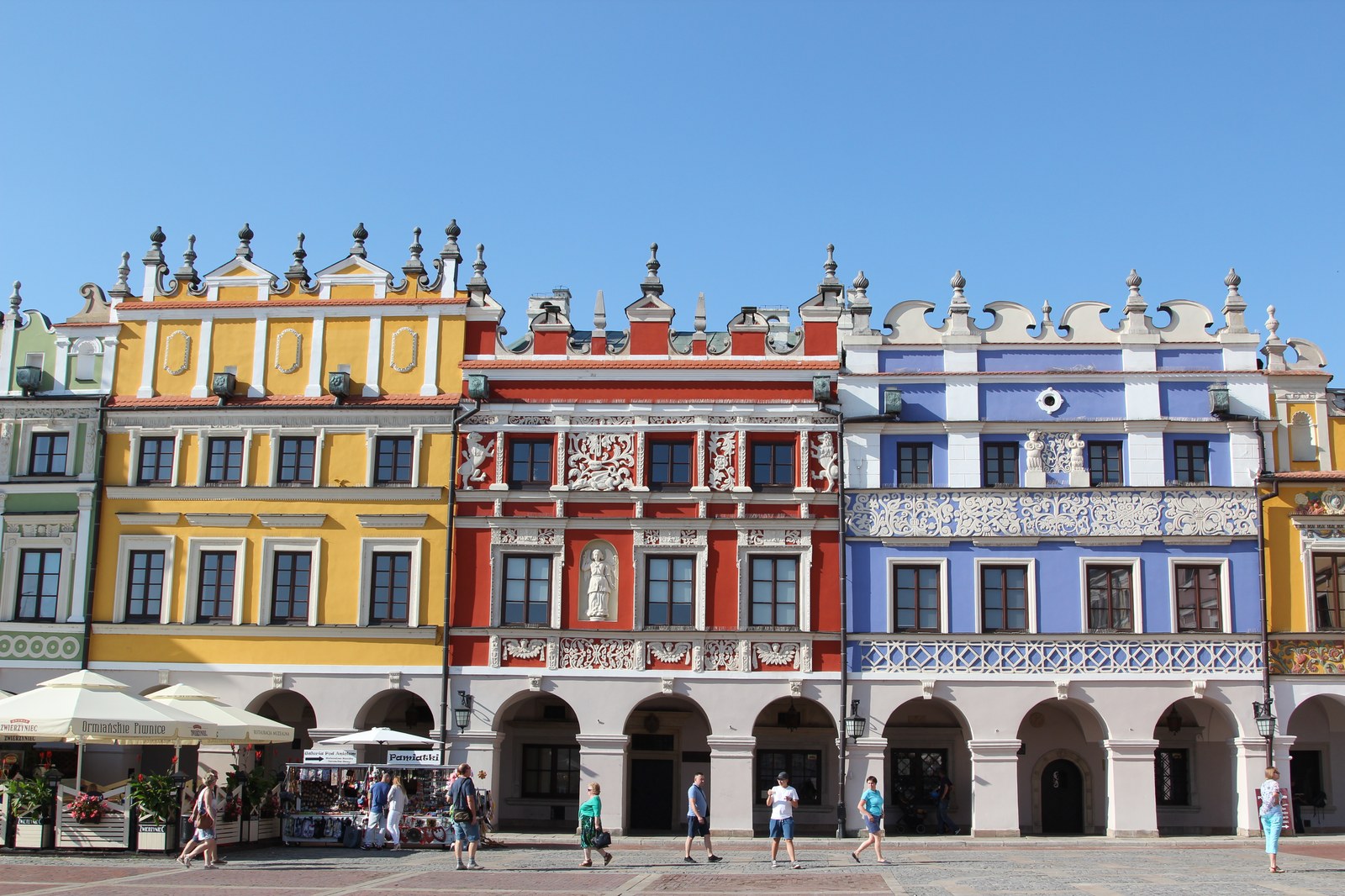
Biłgoraj fits naturally into a Roztocze itinerary. The Guciów farmstead museum near Zwierzyniec follows the same rural-craft thread in a private, far more densely packed form. The Zamość museum plays in another league, with Renaissance merchant houses on a UNESCO-listed square. The regional museum in Janów Lubelski tells the forest and partisan story from the western side - the obvious second stop for anyone who came here for Osuchy.
Background
The museum was founded in 1966 by a resolution of the county council and opened a year later. It began as a branch of the district museum in Lublin, later of the one in Zamość, and its founding collection was the private holding of Michał Pękalski, a local historian.
The turning point came in the 1970s. As the last timber sieve-makers’ homesteads were being pulled down, the museum rescued one and opened it in 1976 as a branch. Sieve-making from horsehair and bast had been the town’s defining trade since the seventeenth century, giving Biłgoraj its wealth, its own guild and a reputation well beyond Poland.
The institution has carried its present name since 1999, when the re-established Biłgoraj county took it over. In March 2014 it moved into the former county administration building at Kościuszki 87.
Nearby museums
 Culture
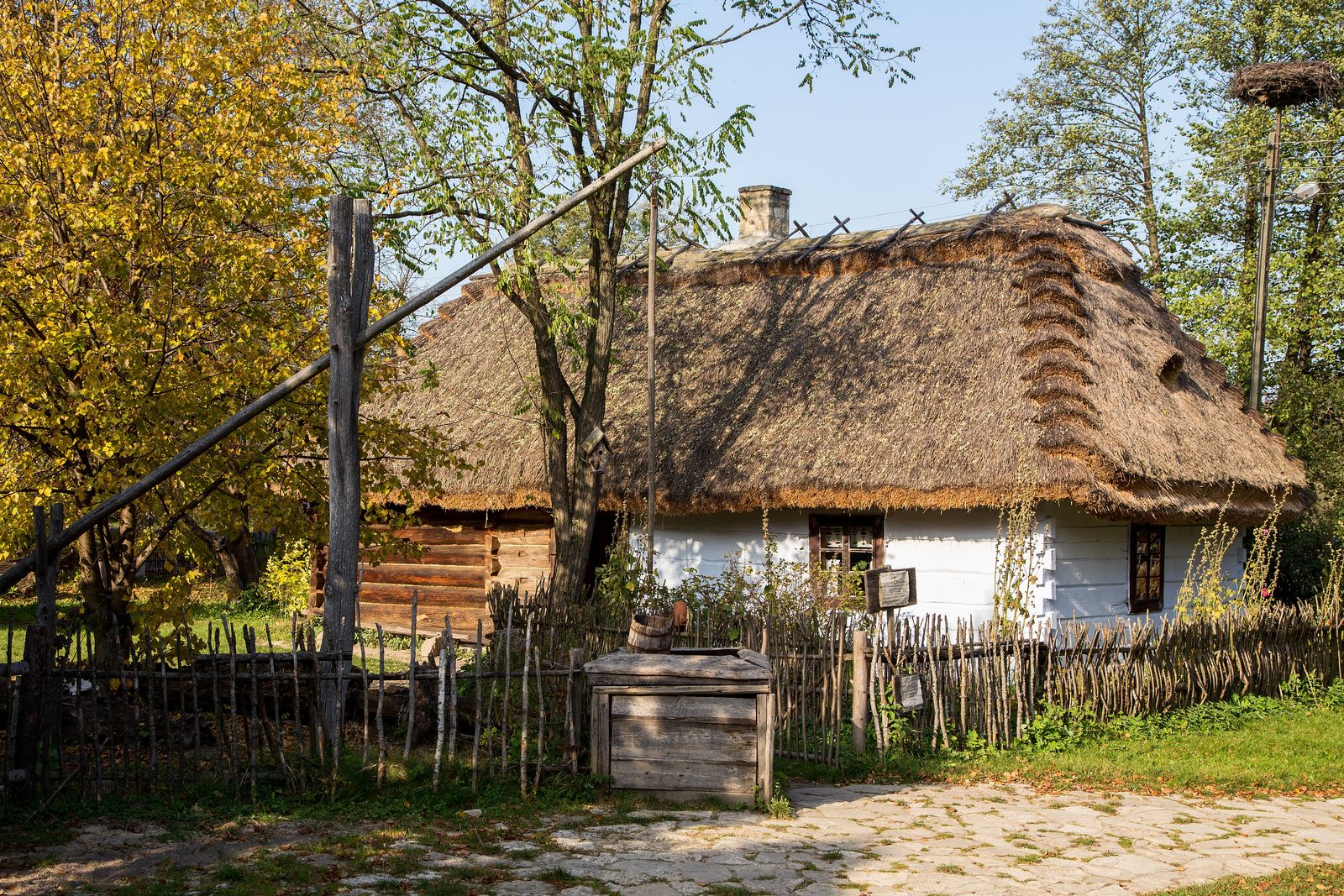
Guciów Farmstead - Ethnographic-Natural History Museum
Guciów 19, 22-470 Zwierzyniec
The Guciów farmstead museum on the Roztocze: the Zakłodzie meteorite, dinosaur tracks and an 18th-century cottage. Guided tours, full ticket …
 History
Zamość Museum
ul. Ormiańska 30, 22-400 Zamość
The museum in Zamosc fills 17th-century Armenian merchant houses on the UNESCO-listed Great Market Square. Four permanent displays, tickets …
 History
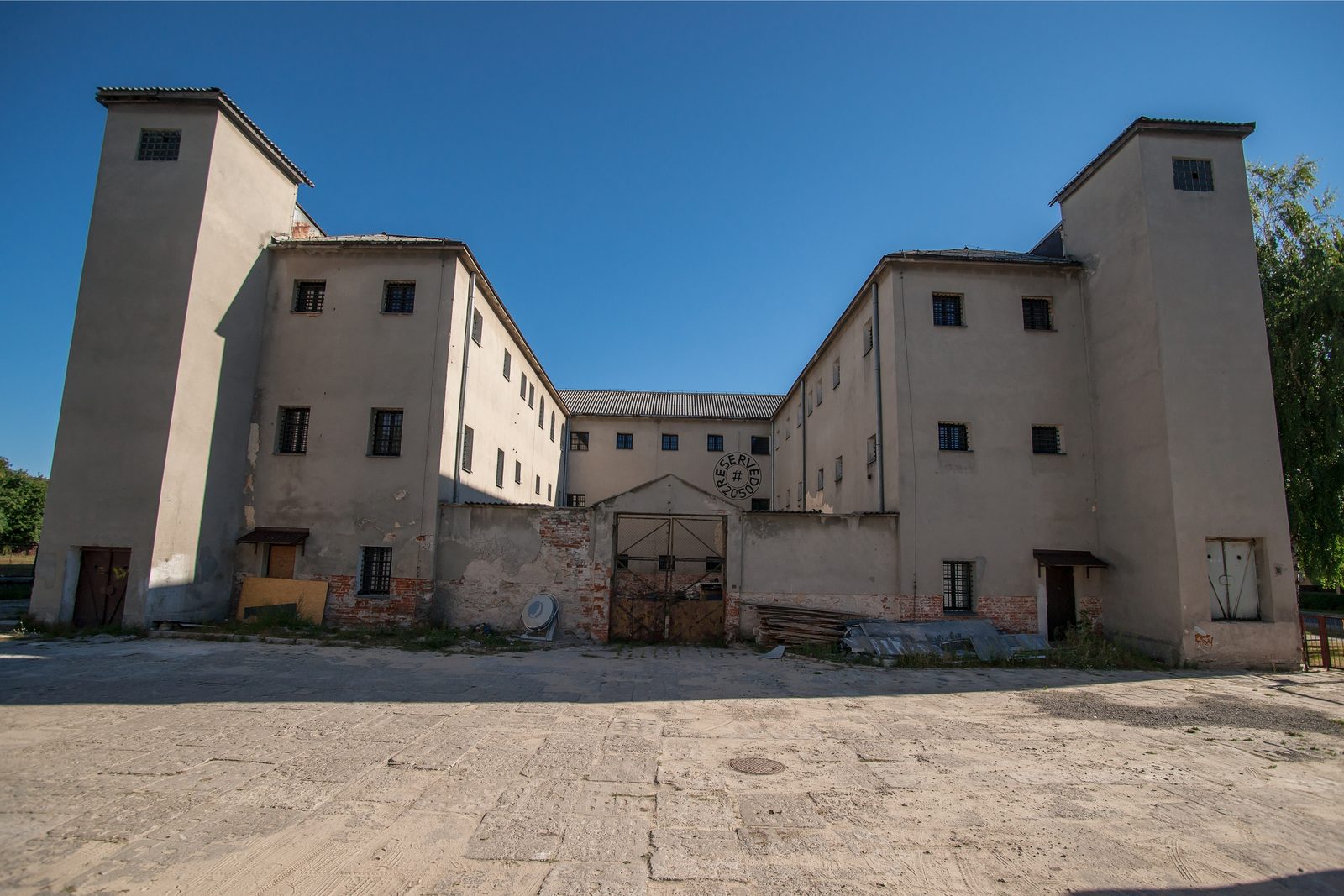
Regional Museum in Janów Lubelski
ul. Jana Zamoyskiego 52, 23-300 Janów Lubelski
Regional museum in Janow Lubelski, south-east Poland: archaeology, ethnography and local history, with its one display room inside a former …