Museum of Southern Podlasie in Biała Podlaska
Muzeum Południowego Podlasia w Białej Podlaskiej
- Wheelchair: Yes
Location
What to expect
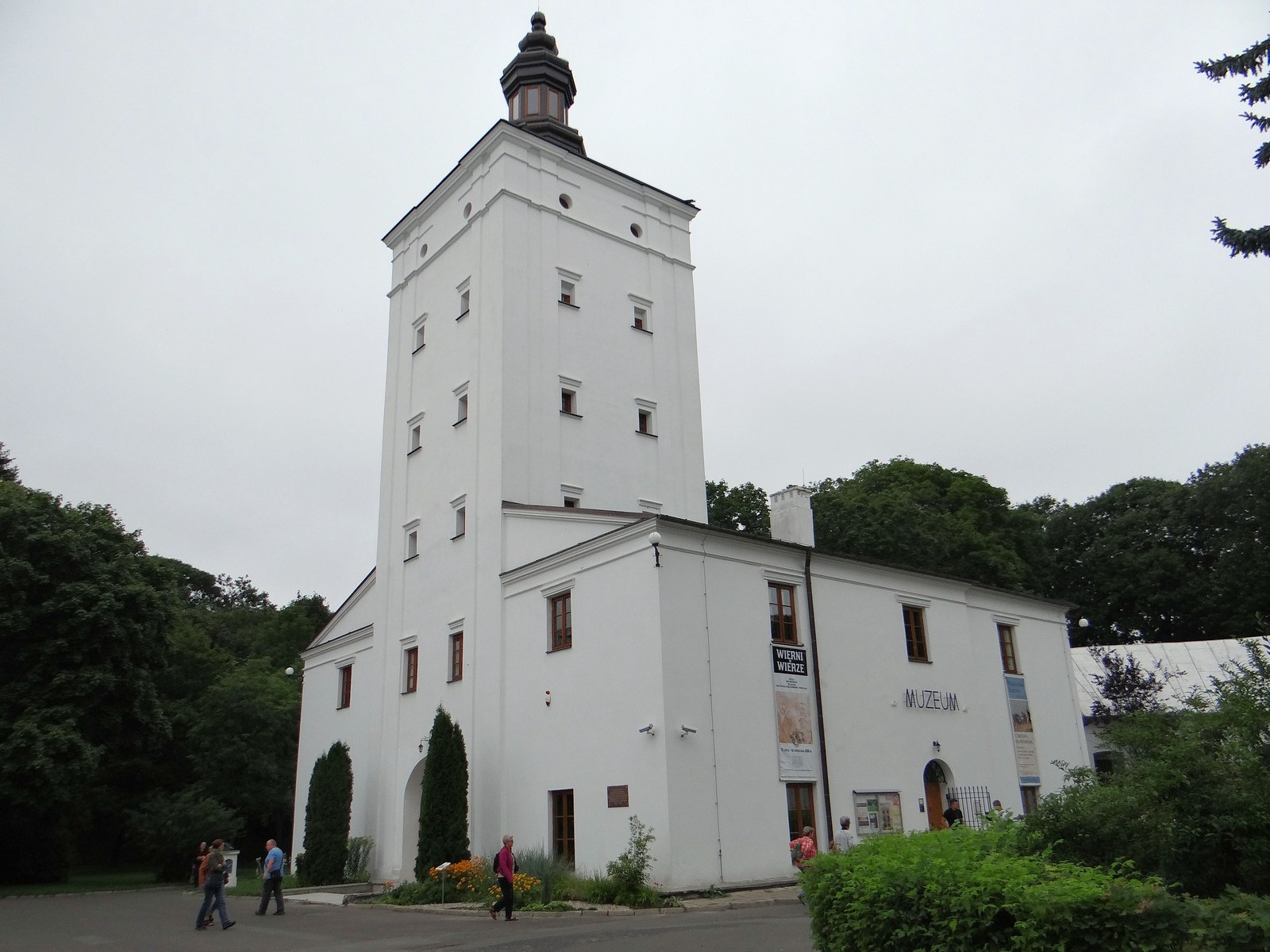
Not every icon in this collection was bought or donated. Since around 1980, Polish border guards at the nearby Terespol crossing have been seizing icons smuggled out of the USSR and handing them to this museum - one reason its holding, at nearly 1700 pieces, is now among the largest of its kind in Poland. Most date from the nineteenth century, the oldest from the seventeenth. The museum occupies what survives of the fortified Radziwiłł palace complex: the gate tower, the quarter-circle tunnel passage linking it to the rest of the residence, the former palace chapel and the western outbuilding, which it moved into in early 1983. The institution is older than its current building suggests - Dr. Wacław Nartowski founded a first regional museum here in 1924, based at the local secondary school, but it was destroyed during the Second World War. The present museum started over on 26 October 1966, became a district museum in 1975, and took its current name in 1998, the year it was entered in Poland’s State Register of Museums. It celebrates the sixtieth anniversary of that post-war restart in 2026; the current permanent displays date from the refurbishment of the gate tower in 2018-2019 and the restoration of the whole complex completed in 2021.
The icons are shown in the permanent exhibition The Icon: A Sacred Mystery, arranged in three rooms and opening with images of Christ and the Mother of God. The main building also holds an archaeology display covering almost a hundred thousand years of the Podlasie and Polesie borderland, from mammoth bones to the Bronze Age; two history galleries, one on Biała under the Radziwiłłs and one on the town between 1795 and 1939; and a painting gallery devoted to horses, riders and carriages in nineteenth and twentieth-century Polish art, built up thanks to the nearby stud farm at Janów Podlaski and the painters’ camps the museum ran there between 1975 and 1998. A garden-painting room by Bazyli Albiczuk and two ethnographic rooms round out the main building: folk costume woven in the local perebor technique, the bearded-man ritual mask from nearby Sławatycze, painted eggs and grey-fired siwak pottery, plus a small case of devotional images of the Kodeń and Leśna Marian icons.
A separate stop is the south-eastern turret, built in the mid-seventeenth century and covered inside and out with sgraffito decoration, including four medallions under the dome showing Radziwiłł eagles with the family’s Trąby coat of arms; it houses an exhibition on the archaeology of the Biała castle. This is a strong stop for anyone interested in Orthodox and Uniate icon painting or borderland history; families with young children will find less to touch than the room count suggests, since almost everything here sits behind glass.
Tips
- Budget 60-90 minutes, not 60. Visitor reviews describe roughly ninety minutes with the audio guide, and covering both turrets plus the western outbuilding on top of the icons makes an hour feel rushed.
- Watch the last-admission time, not a queue. There is no online timed-ticket system; the cutoff is 15:00 from September to June and 15:30 in July and August, and that is what actually limits your visit.
- Take the audio guide. It is lent free at the ticket desk in Polish, English and Russian, and is also available as a phone app; visitor reviews single it out as the thing that makes the icon collection click.
- The combined ticket for all three buildings (tower, turret, western outbuilding) is 15 PLN full price, 10 PLN reduced. The tower with the eastern turret alone, which covers every permanent exhibition, is 12 PLN and 8 PLN; the western outbuilding with the temporary shows is 5 PLN and 3 PLN separately. A family ticket for two adults and two children works out at 10, 8 or 3 PLN per person, groups of ten or more pay less, and children under seven enter free.
- Free days flip with the season: Mondays outside summer, but Tuesdays instead from 1 July to 31 August - the museum is then closed on the opposite day (Saturdays outside summer, Mondays during it).
- Short on time, skip the western outbuilding’s temporary shows and spend it on the icons and the turret - that is what sets this museum apart from its neighbours.
- Accessibility: step-free entrance to the main building, a lift to the first floor, an accessible toilet on the ground floor, a hearing loop at the ticket desk, and a model of the palace complex labelled in Braille. In the turret, only the ground floor is reachable by wheelchair.
- Labels are Polish-only in most rooms, which is exactly why the audio guide matters for a foreign visitor. A guided tour for up to 30 people costs 50 PLN for schoolchildren and students, 80 PLN for other groups; an educational walk around the town is priced separately. The exhibition at the Martyrdom and History Branch on ul. Łomaska remains closed until further notice.
Getting there
The museum is at ul. Warszawska 12 in Biała Podlaska (postcode 21-500), inside the Radziwiłł castle and park complex on the edge of the town centre. You enter through the gateway of the old residence; the western outbuilding, which holds the temporary exhibitions, is entered from the Radziwiłł Park side. There is a car park at the museum, and vehicles carrying a disabled parking card may drive into the grounds themselves. Biała Podlaska lies about 130 km north of Lublin, on the main road and rail route running from Warsaw to Terespol on the Belarusian border.
Nearby
Biała Podlaska sits away from the region’s busiest museum routes, but within an hour’s drive you can reach the August Zamoyski museum in Jabłoń , devoted to the sculptor born into the family that once owned these estates, and the Łuków land museum . Further south along the Bug river stands the Włodawa synagogue complex , which together with the Biała icon collection tells the story of a multi-faith borderland.
Temporary exhibitions here
Radziwiłł's Biała, Bishops' Janów - History Uncovered
from 19 May 2026
An exhibition on the history of the Radziwiłł family's palace-fortress residence in Biała Podlaska and the history of Janów Podlaski, based on archaeological research.
Nearby museums
August Zamoyski Museum in Jabłoń
ul. Augusta Zamoyskiego 9A, 21-205 Jabłoń
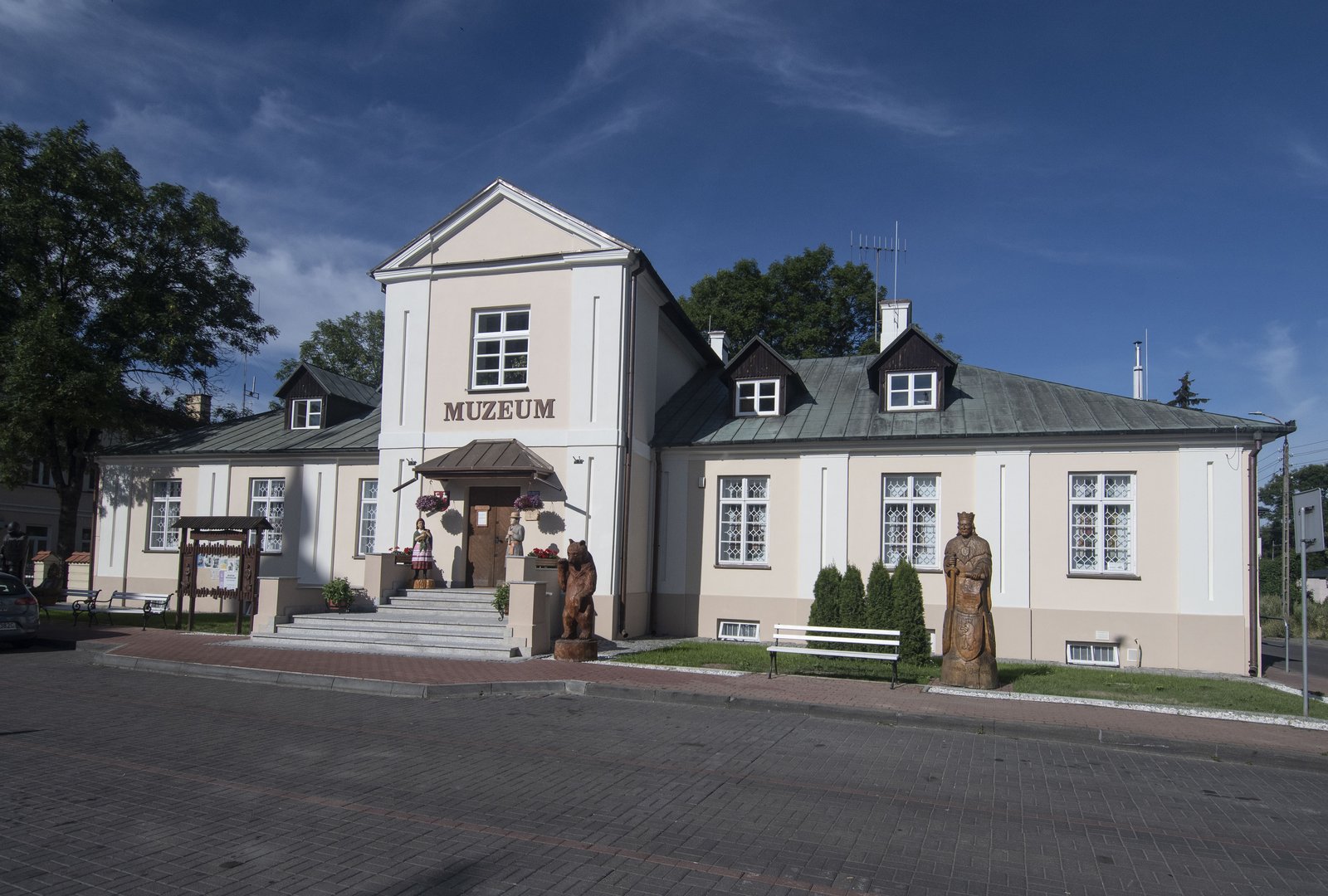
The only museum in Poland devoted to the sculptor August Zamoyski, housed in a restored estate cottage in Jabłoń. Open Tuesday to Sunday, …
 Science
Longin Kowalczyk Museum of the Łuków Land in Łuków
ul. Piłsudskiego 19, 21-400 Łuków
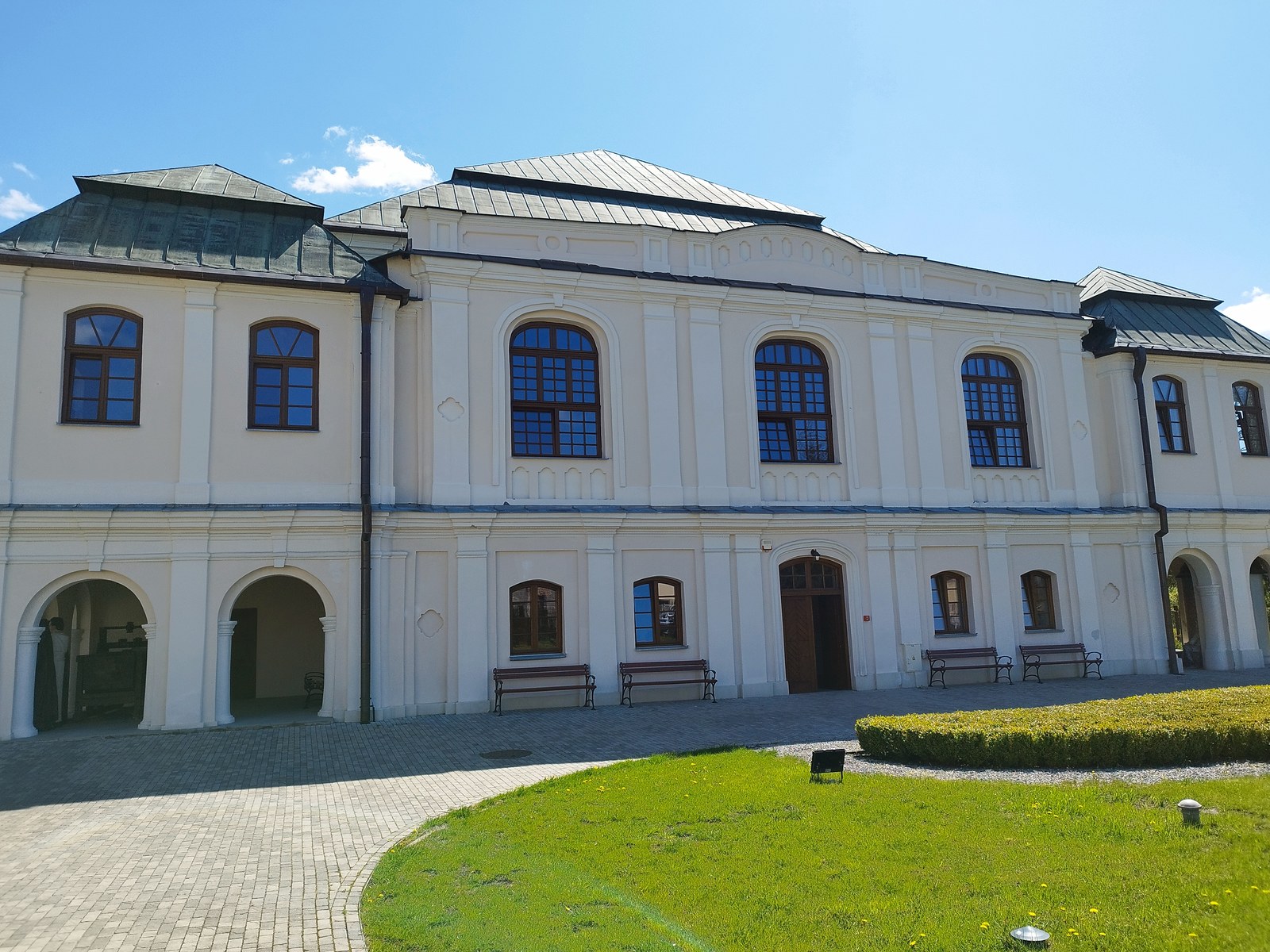
Regional museum in Łuków, eastern Poland, set in a 1732 townhouse: iridescent Jurassic ammonites, folk sculpture and local history. Free …
 Culture
Museum - Synagogue Complex in Włodawa
ul. Czerwonego Krzyża 7, 22-200 Włodawa
The Włodawa synagogue complex in eastern Poland: a Great Synagogue of 1764-1774, an older study house and the kahal house. Hours, tickets …