Museum of History and Ethnography in Andrychów
Muzeum Historyczno-Etnograficzne w Andrychowie
Location
What to expect
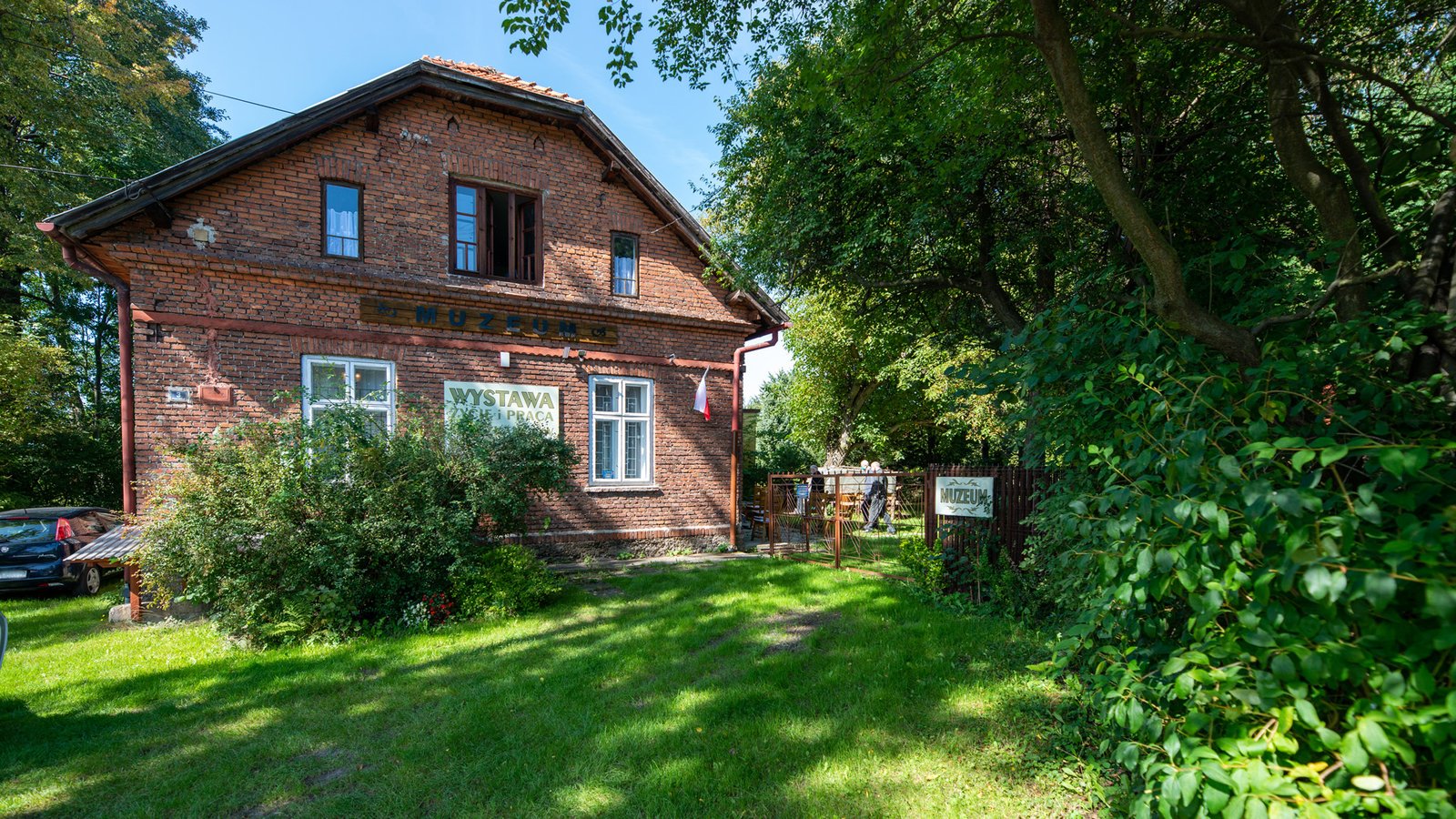
One family’s house and their 40-metre barn, on a plot at the edge of a small Beskid town - that is the whole museum in Andrychów. There is no ticket desk, no turnstile and no wall labels. There is a gate that the owner opens at the hour you agreed with her, and a property that somebody decided to keep whole instead of selling off piece by piece.
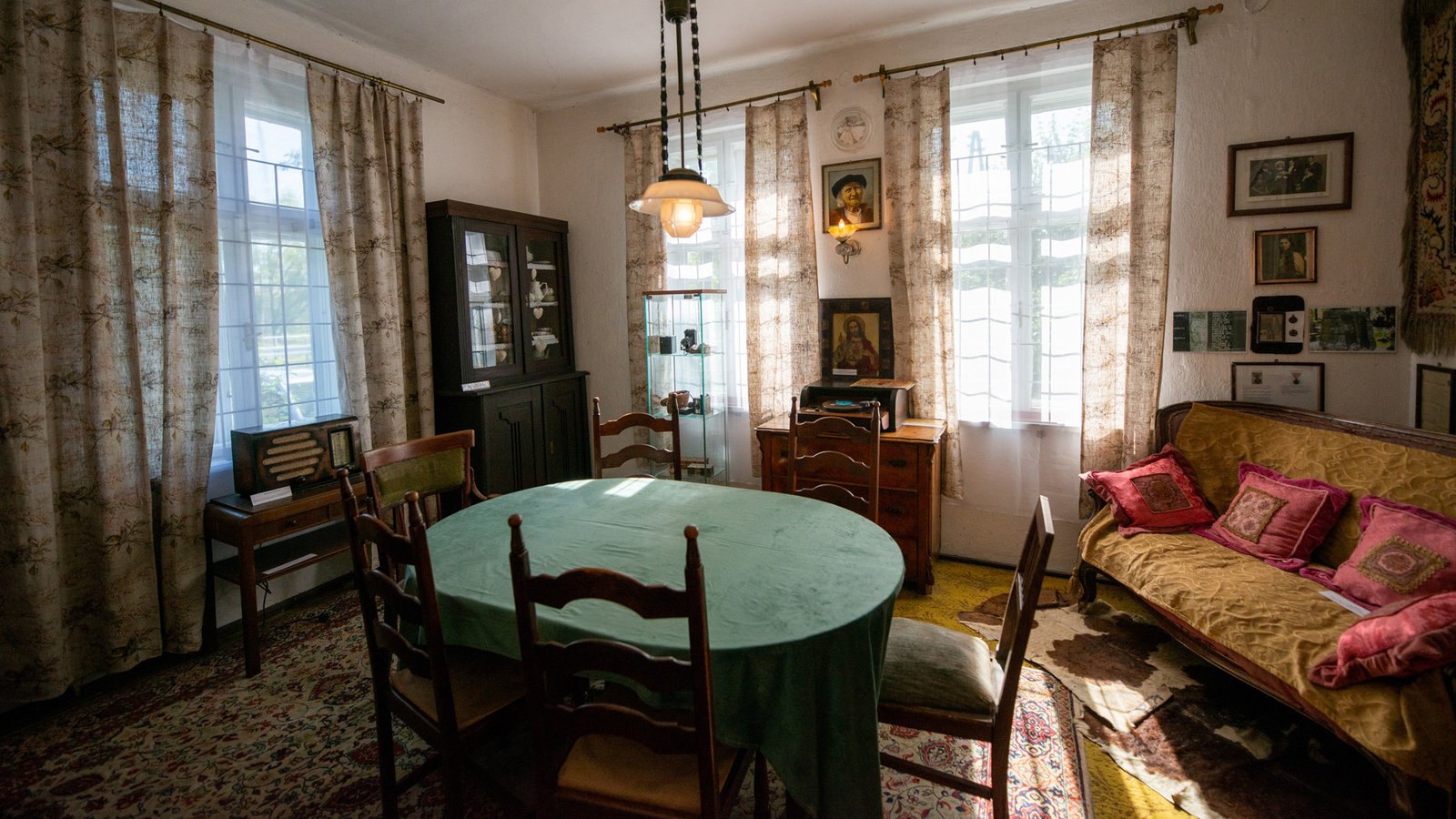
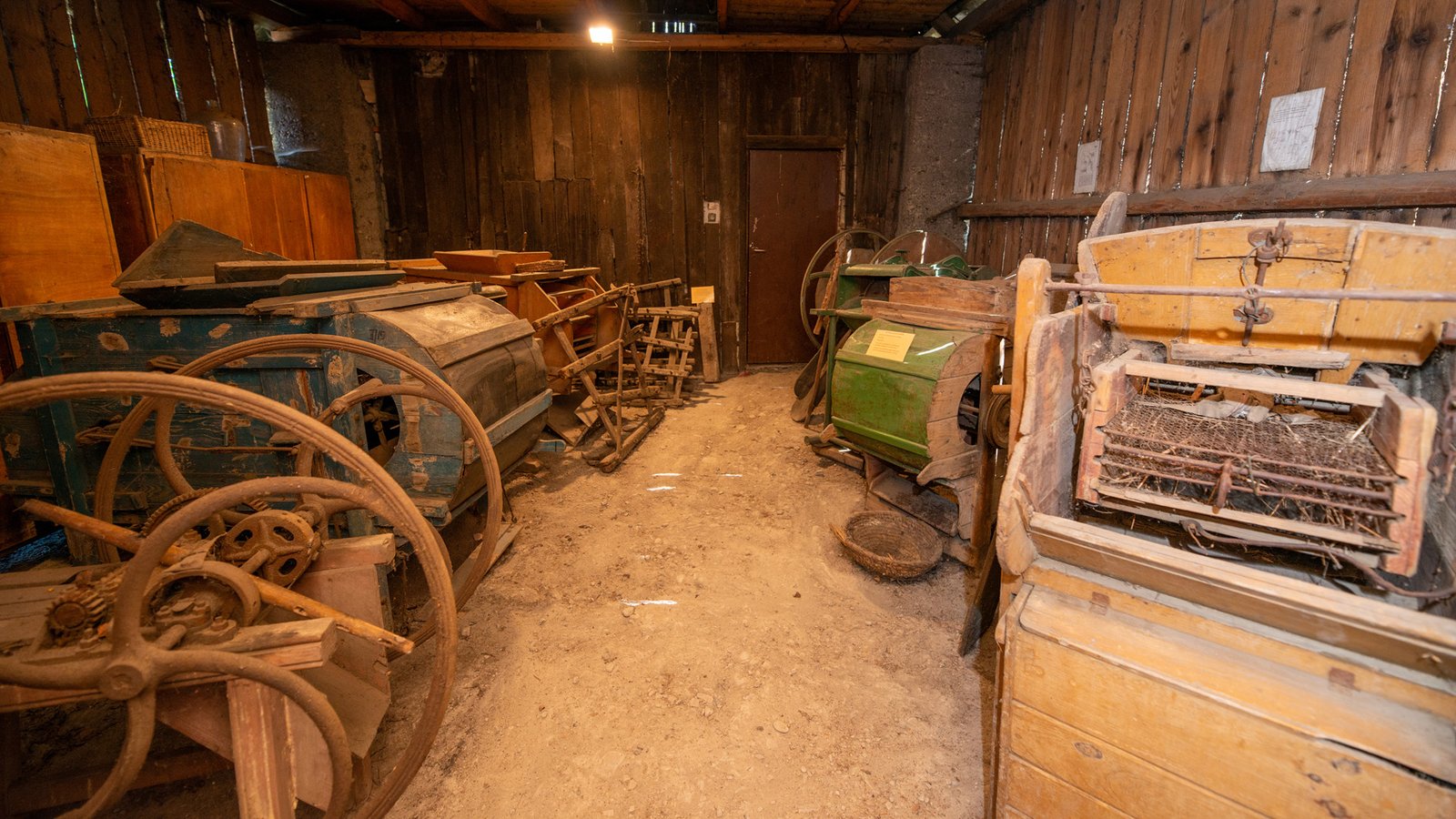
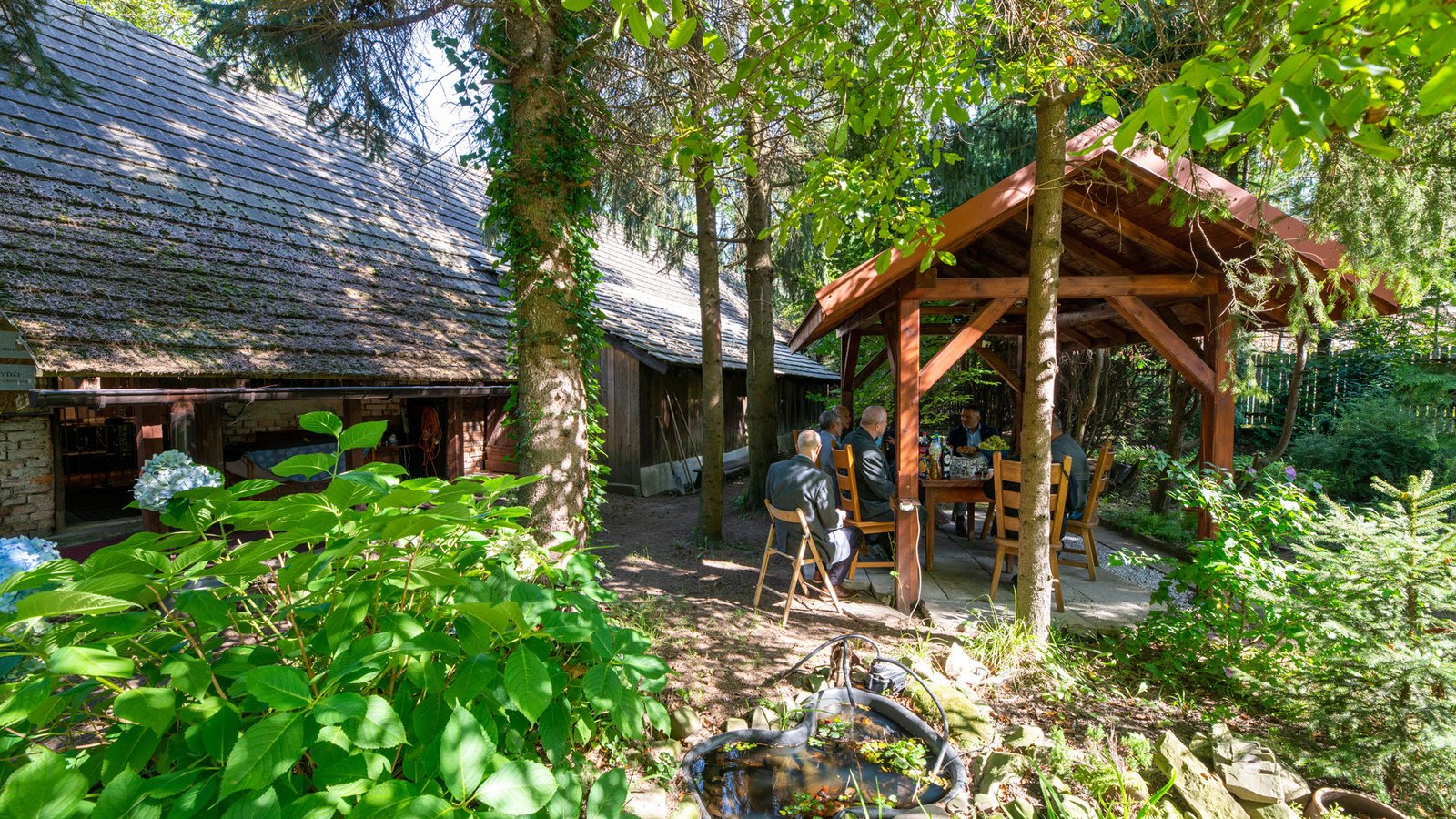
The house dates from the 1930s and shows interiors of that period: kitchen, drawing room, dining room, and the most unusual room of all, the office of the family sawmill with its own paperwork still in it. The tax records survive, and so does a private money-lending ledger from the interwar years - a list of who in Andrychów owed money to whom. Regional museums rarely hold that kind of thing, because what reaches them has already been filtered. The barn, said to be the longest in town, holds a grain mill, harrows, threshing flails, querns, butter churns, scales, harnesses, ox yokes, cart wheels and travel trunks. The buildings stand on a ten-hectare plot, with a garden and the remains of the old mill and sawmill.
A separate room in the barn belongs to Jewish Andrychów: more than 300 religious and everyday objects - candelabra, Torah scrolls, prayer shawls, phylacteries, Talmudic volumes, clothing, household utensils - alongside photographs, documents and items connected with the liquidation of the ghetto in 1943. This is the strongest part of the collection and the only organised trace in the town of a community that made up a large share of pre-war Andrychów.
Best for a visitor with a specific reason to come: Polish-Jewish heritage away from the main memorial sites, rural Beskid ethnography, or family and industrial micro-history. If you want an hour indoors that you can simply walk into, this is the wrong address - nothing here happens without an email sent days in advance. It also means the visit is a conversation in Polish, not a self-guided circuit.
Tips
- Email first; there is no other way in. The museum publishes exactly one sentence about access. In the museum’s own words: “Muzeum czynne w okresie letnim po wcześniejszym uzgodnieniu” - open in the summer season by prior arrangement. Write to ziemianstwo@poczta.onet.pl with a date, an hour and the size of your group, and wait for confirmation before you travel.
- Write in Polish if you can. The site publishes no English version and lists no phone number, so a short Polish message, even a machine-translated one, is far more likely to get an answer than an English one.
- Allow 60-90 minutes. About 1,000 m2 across two buildings plus the garden, shown by the owner in person. The visit ends when the conversation does, so leave slack in the day.
- Admission is reported as free - confirm it yourself. Radio Andrychów, the local station, reported in September 2020 that the museum charges no entrance fee. The museum publishes no prices at all, so ask in the same email in which you book.
- No English labels, no audio guide. Nothing in the collection is captioned in English. Bring someone who speaks Polish, or a translation app and patience, and expect the substance to come from the guide.
- Don’t miss the sawmill office and the Jewish room. Those two rooms are what distinguish Andrychów from any open-air museum with farm tools. The rest of the agricultural display is solid rather than unique.
- This is a working family property, not an institution. No shop, no café, no cloakroom. The museum publishes no accessibility or parking information - ask about both when you book; the barn and yard are farm ground, not gallery floor.
Getting there
By car: Andrychów is about 50 km southwest of Kraków, in the Little Beskids, about 20 km from Oświęcim, roughly 15 km from Wadowice and 8 km from Kęty. Driving is the practical option and keeps you in control of the agreed hour.
By train: Andrychów station on ul. Krakowska sits on line 117, Kalwaria Zebrzydowska Lanckorona - Bielsko-Biała Główna, the route running from Kraków towards Bielsko-Biała. From the station the museum is a little under 2 km, about 25 minutes on foot. There is no ticket office at the station, so buy before you board or use a mobile app.
On foot: from the centre of Andrychów the walk takes roughly the same 25 minutes, since the station and the centre are both on the north side of town.
Nearby
If you want to see how the same region presents itself with a municipal budget and fixed opening hours, the Aleksander Kłosiński Museum in Kęty is 8 km away, costs 8 PLN and needs no appointment. The Jewish thread of the Andrychów collection continues in Oświęcim: first the town’s own history at the Castle Museum in Oświęcim , then the Auschwitz-Birkenau Memorial and Museum , which needs a separate day and a booking made well in advance.
Background
The museum is one man’s work. Edward Wincenty Szlagor, a lawyer born in Andrychów, spent decades collecting objects, documents and testimony, and conserved the family house and barn instead of modernising them. His principle survives as the museum’s stated mission: “Ratujmy co się da!” - let us save what we can. The museum has operated since the early 2000s under a licence from the Polish Minister of Culture; sources give either 2001 or 2002, and the museum itself settles the question nowhere.
Since Edward Wincenty Szlagor’s death the museum has been run by his daughter, Iwona Dyla.
Nearby museums
 History
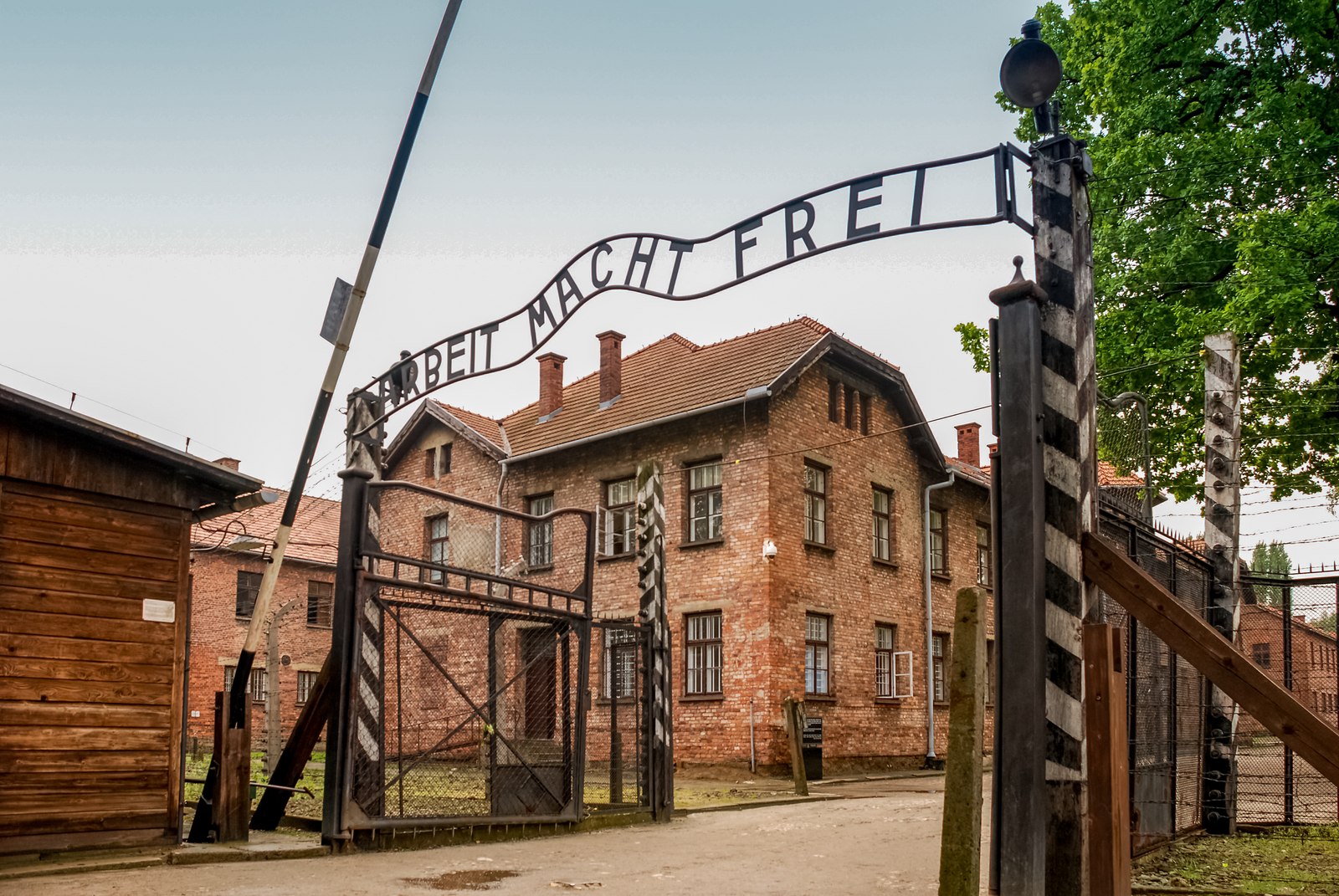
Auschwitz-Birkenau Memorial and Museum
ul. Więźniów Oświęcimia 20, 32-600 Oświęcim
Visiting the Auschwitz Museum from Krakow: booking the free entry pass, guided or self-guided visits, opening hours by month, rules and …
 Science
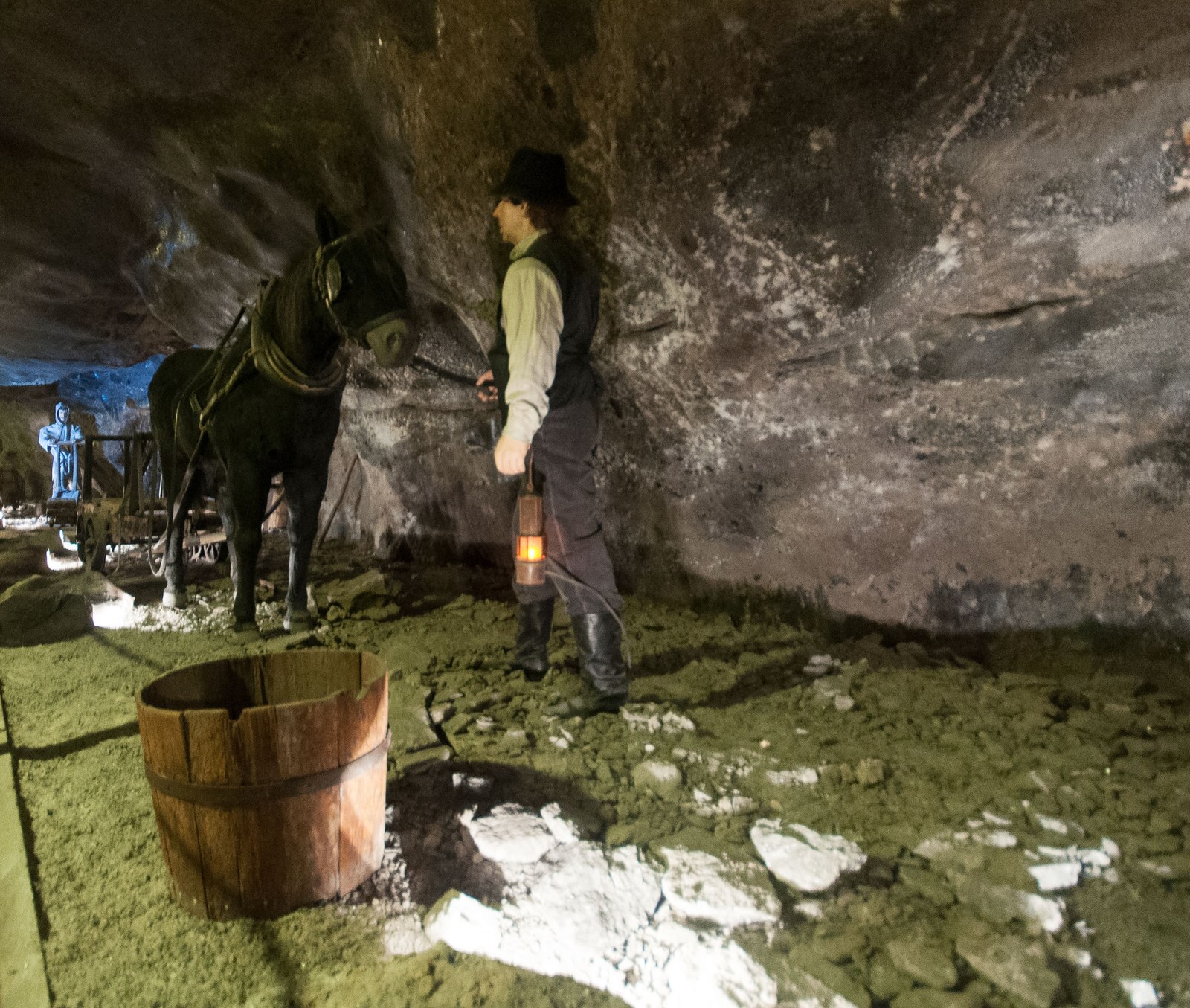
Wieliczka Salt Mine
ul. Daniłowicza 10, 32-020 Wieliczka
Wieliczka Salt Mine near Krakow: Tourist Route vs Miners' Route, ticket prices, opening hours, and how to get there by train from Krakow.